THE ADVENTURE COLLECTIVE® · Independent discovery and booking for outdoor travel

Short on time but craving adrenaline? The Upper Seti half-day rafting run out of Pokhara packs 1.5 hours of technical, narrow rapids framed by Annapurna peaks—ideal for both curious beginners and paddlers seeking punchy drops.
Short on time but craving adrenaline? The Upper Seti half-day rafting run out of Pokhara packs 1.5 hours of technical, narrow rapids framed by Annapurna peaks—ideal for both curious beginners and paddlers seeking punchy drops.
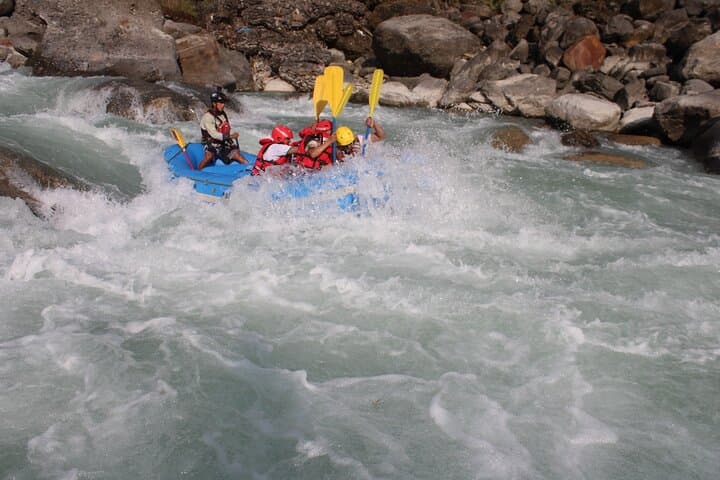
A low roar grows as the raft slides into a narrow cut of the Upper Seti. Cold Himalayan water nudges the hull and the river dares you to lean in; snow-capped peaks keep watch from the valley rims and sunlight scatters on turbulent, clear current.
Verified experiences and guided adventures in the surrounding area.
Operated by Rafting Adventure Nepal · Pokhara, Gandaki Province
A low roar grows as the raft slides into a narrow cut of the Upper Seti. Cold Himalayan water nudges the hull and the river dares you to lean in; snow-capped peaks keep watch from the valley rims and sunlight scatters on turbulent, clear current.
The Seti cuts a young, energetic route through folded limestone and young gneiss of the Annapurna zone. Historically the river carved the deep gorges that define Pokhara’s topography; local villages grew on terraces above its banks, linking rice cultivation with seasonal river access. Culturally, the river corridor shows a mix of Gurung and Magar communities who still use riverside trails to move livestock and goods.
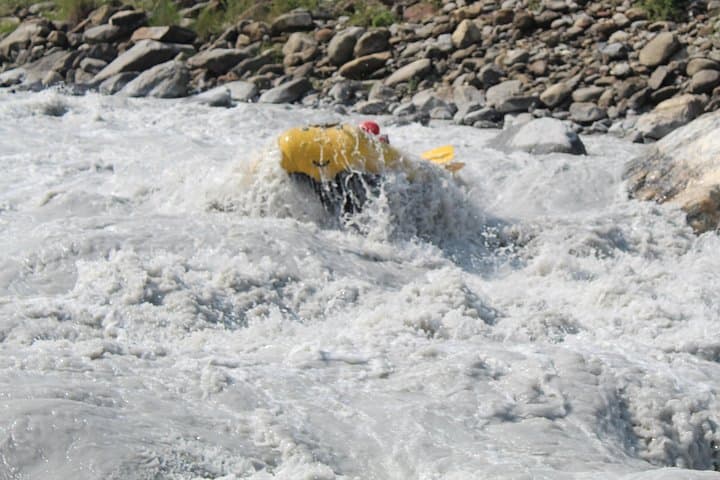
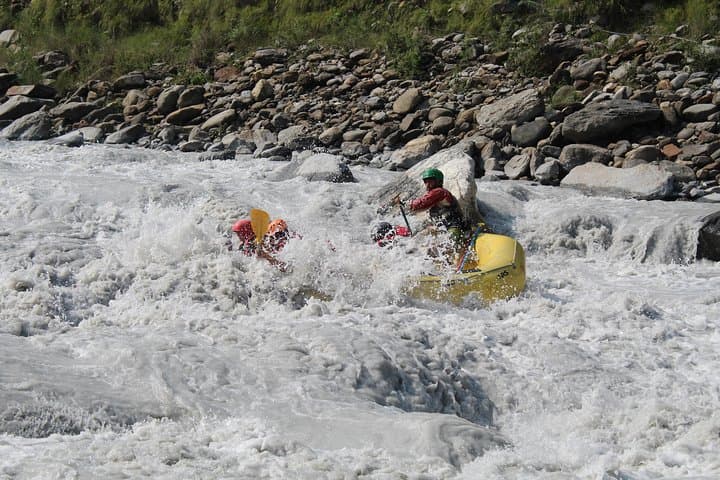
Expect tight, technical rapids—short, bouncy drops rather than long-class runs—interspersed with calm pools where guides reset lines and you take in the peaks. The geology here makes for narrow channels and fast currents; the river’s personality changes quickly with flow. Wildlife is subtle: kingfishers flick from boulder to boulder, and if you’re quiet you may spot signs of river otters.
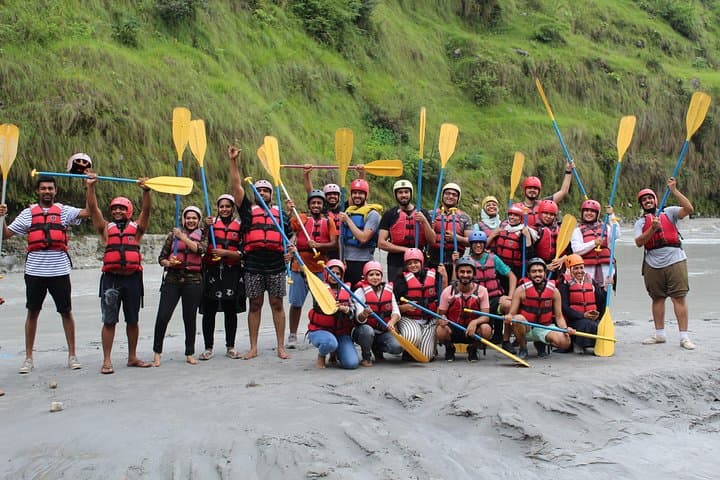
Practical notes: the advertised half-day window includes pickup and return and about 1.5 hours on the water. Wear quick-dry layers, secure footwear, and a properly fitted helmet and life jacket (often provided). Hydrate and use sunscreen—the altitude is moderate but the sun is strong. Operators usually require basic swimming comfort and will brief paddling commands before launch. Book for morning slots for clearer views and steadier weather; monsoon season raises flows and changes difficulty. Respect local waste rules and follow your guide’s instructions—safety and local stewardship go hand in hand on the Upper Seti.
moderate.
4 hours (1.5 hours rafting).
Reasonable cardio and comfort with short bursts of paddling; suitable for beginners who can swim and follow instructions.
Expect about 1.5 hours on the water within a 3–4 hour window that includes pickup, safety briefing and transport.
Yes—operators mark the run as accessible to all fitness levels; basic swimming ability and following guide commands are required.
Most outfits supply helmets, life jackets, and a guide; check if dry bags or footwear are offered or if you should bring your own.
Spring through autumn (March–November) offers stable flows and clear mountain views; monsoon months can increase difficulty and may prompt cancellations.
The Seti has shaped Pokhara’s valley, cutting deep limestone gorges and sustaining riverside settlements of Gurung and Magar communities for centuries.
Choose operators who practice leave-no-trace and carry out waste; high flows can erode banks so avoid riverbank litter and respect village access points.
Rafting Adventure Nepal operates guided outdoor trips and adventures with an emphasis on safety, stewardship, and memorable experiences.
A low roar grows as the raft slides into a narrow cut of the Upper Seti. Cold Himalayan water nudges the hull and the river dares you to lean in; snow-capped peaks keep watch from the valley rims and sunlight scatters on turbulent, clear current.
A low roar grows as the raft slides into a narrow cut of the Upper Seti. Cold Himalayan water nudges the hull and the river dares you to lean in; snow-capped peaks keep watch from the valley rims and sunlight scatters on turbulent, clear current.
The Seti cuts a young, energetic route through folded limestone and young gneiss of the Annapurna zone. Historically the river carved the deep gorges that define Pokhara’s topography; local villages grew on terraces above its banks, linking rice cultivation with seasonal river access. Culturally, the river corridor shows a mix of Gurung and Magar communities who still use riverside trails to move livestock and goods.
Expect tight, technical rapids—short, bouncy drops rather than long-class runs—interspersed with calm pools where guides reset lines and you take in the peaks. The geology here makes for narrow channels and fast currents; the river’s personality changes quickly with flow. Wildlife is subtle: kingfishers flick from boulder to boulder, and if you’re quiet you may spot signs of river otters.
Practical notes: the advertised half-day window includes pickup and return and about 1.5 hours on the water. Wear quick-dry layers, secure footwear, and a properly fitted helmet and life jacket (often provided). Hydrate and use sunscreen—the altitude is moderate but the sun is strong. Operators usually require basic swimming comfort and will brief paddling commands before launch. Book for morning slots for clearer views and steadier weather; monsoon season raises flows and changes difficulty. Respect local waste rules and follow your guide’s instructions—safety and local stewardship go hand in hand on the Upper Seti.