THE ADVENTURE COLLECTIVE® · Independent discovery and booking for outdoor travel

Follow the high desert roads into Lo Manthang on an 18-day trek across Upper Mustang’s wind-carved canyons, ancient gompas and walled city. This remote, permit-only route offers stark landscapes, Tibetan Buddhist culture and simple tea-house nights.
Follow the high desert roads into Lo Manthang on an 18-day trek across Upper Mustang’s wind-carved canyons, ancient gompas and walled city. This remote, permit-only route offers stark landscapes, Tibetan Buddhist culture and simple tea-house nights.
A wind-scoured trail opens onto a flat, ochre plain and the walled silhouette of Lo Manthang rises like a human-made cliff against the blue. The Kali Gandaki dares you to follow its braided channel as the trail tightens, climbing through apple orchards, gompas, and villages where prayer flags flap with deliberate rhythm.
Verified experiences and guided adventures in the surrounding area.
Operated by Everest Trekking Routes Pvt. Ltd. · Lo Manthang, Gandaki Province
A wind-scoured trail opens onto a flat, ochre plain and the walled silhouette of Lo Manthang rises like a human-made cliff against the blue. The Kali Gandaki dares you to follow its braided channel as the trail tightens, climbing through apple orchards, gompas, and villages where prayer flags flap with deliberate rhythm.
Upper Mustang sits in Nepal’s rain-shadow high above the Annapurna and Dhaulagiri ranges. Geologically it’s a rain-starved basin of red sandstone and wind-carved spires; culturally it’s Tibetan in language, religion and dress — the old Kingdom of Lo held autonomy until the late 20th century and still preserves palace rooms, monasteries and muraled chapels. You’ll see mani walls, string-dried apricots, and fortified village architectures shaped for both weather and history.
Practically, expect 4–6 hour walking days once you fly into Jomsom; the itinerary reaches Lo Manthang at roughly 3,700 m with side days for exploration. A special Upper Mustang permit (roughly USD 500 per person for 10 days) is mandatory and issued in Kathmandu. Tea houses and lodges provide simple meals and beds — not camping comforts — and porters/guide services are standard. Weather swings quickly: strong daytime sun gives way to cold nights, and wind can make exposed sections sharp.
Prepare with layered insulation, sun protection, and steady acclimatization over Pokhara and Jomsom. Hydrate proactively, respect village customs, and budget extra days if you want to probe remote gompas or climb nearby ridgelines for fuller views of Annapurna and Dhaulagiri.
challenging.
18 days.
Strong aerobic fitness and multi-day hiking endurance; experience at altitude recommended
Yes — a Restricted Area Permit for Upper Mustang (separate from ACAP) is required and usually processed in Kathmandu; fees are substantial (approx. USD 500 per person for 10 days) and are strictly enforced.
Lo Manthang sits around 3,700 m; the trek reaches similar elevations and altitude sickness is possible — allow time to acclimatize and watch for symptoms like headache, nausea or breathlessness.
Yes — the route is serviced by tea houses and lodges offering basic rooms and meals; facilities vary and are simpler than mainstream trekking areas.
This is a challenging, multi-day high-altitude trek. Fit hikers with prior multi-day trekking experience can do it, but beginners should train and consider hiring experienced guides and porters.
Upper Mustang was the Kingdom of Lo with strong Tibetan cultural ties and remained a semi-autonomous, restricted region until late in the 20th century; its towns retain palace architecture and ancient monasteries.
The special-permit system and restricted access limit visitor numbers and fund local communities; visitors should follow pack-in/pack-out practices and avoid disturbing archaeological and religious sites.
Everest Trekking Routes Pvt. Ltd. operates guided outdoor trips and adventures with an emphasis on safety, stewardship, and memorable experiences.
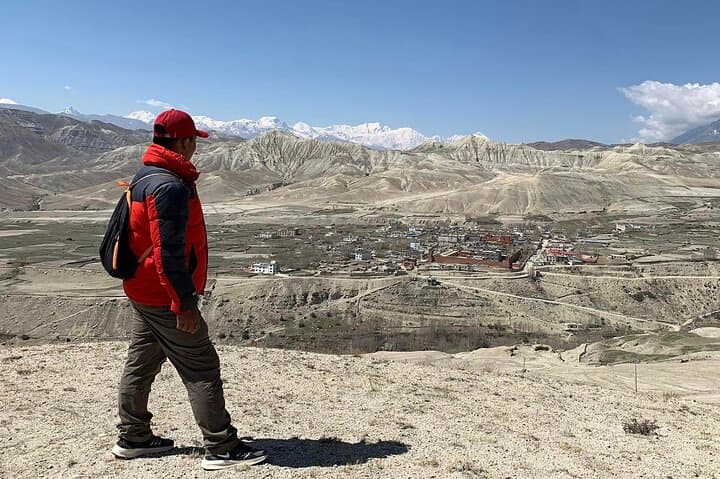
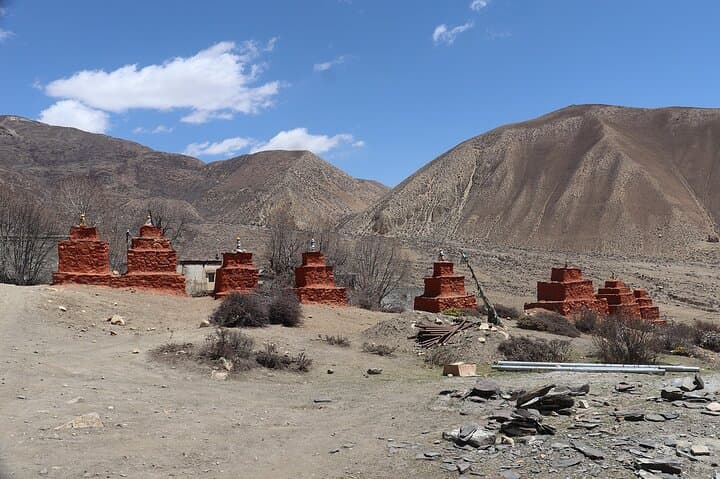
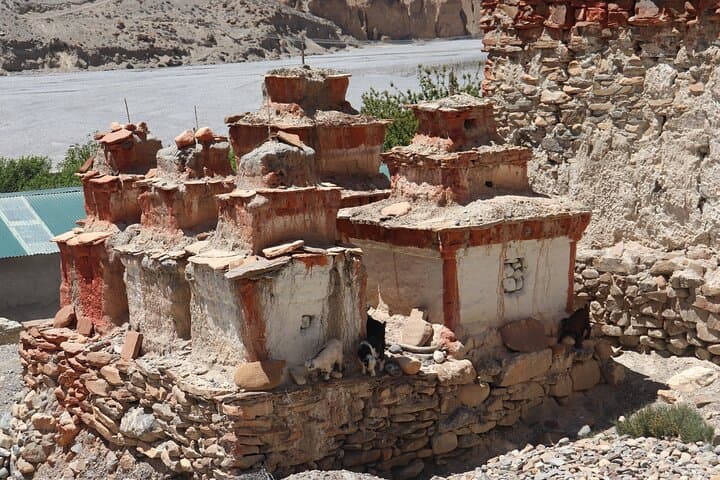

A wind-scoured trail opens onto a flat, ochre plain and the walled silhouette of Lo Manthang rises like a human-made cliff against the blue. The Kali Gandaki dares you to follow its braided channel as the trail tightens, climbing through apple orchards, gompas, and villages where prayer flags flap with deliberate rhythm.
A wind-scoured trail opens onto a flat, ochre plain and the walled silhouette of Lo Manthang rises like a human-made cliff against the blue. The Kali Gandaki dares you to follow its braided channel as the trail tightens, climbing through apple orchards, gompas, and villages where prayer flags flap with deliberate rhythm.
Upper Mustang sits in Nepal’s rain-shadow high above the Annapurna and Dhaulagiri ranges. Geologically it’s a rain-starved basin of red sandstone and wind-carved spires; culturally it’s Tibetan in language, religion and dress — the old Kingdom of Lo held autonomy until the late 20th century and still preserves palace rooms, monasteries and muraled chapels. You’ll see mani walls, string-dried apricots, and fortified village architectures shaped for both weather and history.
Practically, expect 4–6 hour walking days once you fly into Jomsom; the itinerary reaches Lo Manthang at roughly 3,700 m with side days for exploration. A special Upper Mustang permit (roughly USD 500 per person for 10 days) is mandatory and issued in Kathmandu. Tea houses and lodges provide simple meals and beds — not camping comforts — and porters/guide services are standard. Weather swings quickly: strong daytime sun gives way to cold nights, and wind can make exposed sections sharp.
Prepare with layered insulation, sun protection, and steady acclimatization over Pokhara and Jomsom. Hydrate proactively, respect village customs, and budget extra days if you want to probe remote gompas or climb nearby ridgelines for fuller views of Annapurna and Dhaulagiri.