THE ADVENTURE COLLECTIVE® · Independent discovery and booking for outdoor travel

Walk into a high, dry world of white-washed fort towns, ancient monasteries and wind-sculpted cliffs on the 18-day Upper Mustang Trek. This practical guide outlines what to expect—terrain, permits, daily stages and how to prepare for sustained altitude.
Walk into a high, dry world of white-washed fort towns, ancient monasteries and wind-sculpted cliffs on the 18-day Upper Mustang Trek. This practical guide outlines what to expect—terrain, permits, daily stages and how to prepare for sustained altitude.
A thin wind carries prayer flags across a town gate and the air tastes like dry stone and yak butter tea. You step out of the last green valley and into a landscape that refuses soft edges: red cliffs, wind-carved ridges and white chortens that mark a route older than mapped roads. Walking into Upper Mustang feels like moving into a high, cold province of history where the sky pushes you forward.
Verified experiences and guided adventures in the surrounding area.
Operated by Himalayan Holyland Treks and Expedition · Lo-Manthang, Gandaki Province
A thin wind carries prayer flags across a town gate and the air tastes like dry stone and yak butter tea. You step out of the last green valley and into a landscape that refuses soft edges: red cliffs, wind-carved ridges and white chortens that mark a route older than mapped roads. Walking into Upper Mustang feels like moving into a high, cold province of history where the sky pushes you forward.
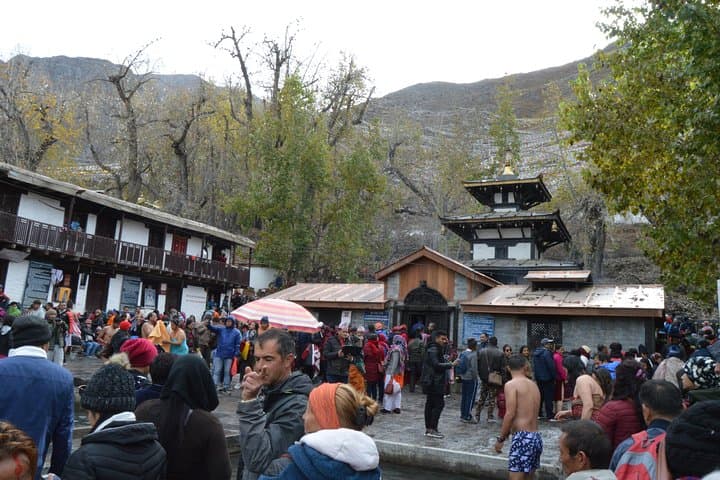
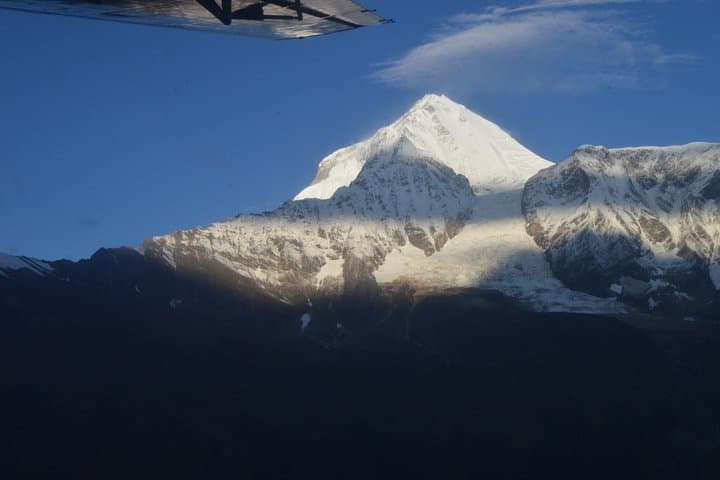
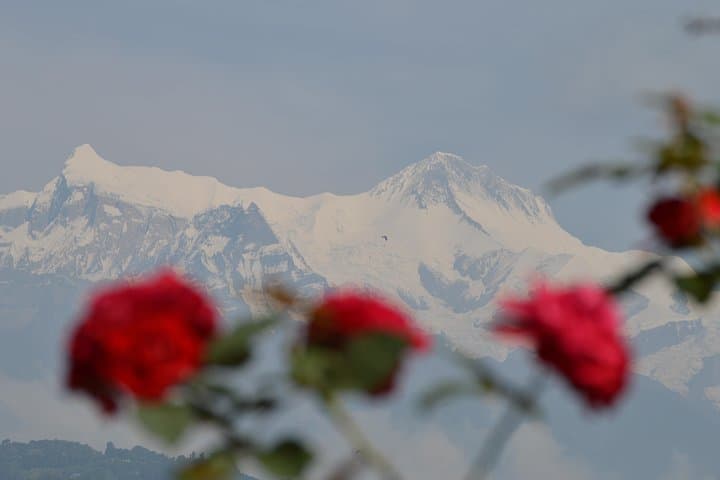
Upper Mustang was the independent Kingdom of Lo until the mid-20th century; its culture is tightly Tibetan in language, dress and monastic life. Geologically the region sits in the rain shadow of Dhaulagiri and Annapurna, so expect exposed sedimentary cliffs, fossil-rich riverbeds along the Kali Gandaki, and broad, stony plateaus rather than forested slopes. Villages—Lo-Manthang, Ghami, Tsarang—are compact clusters of whitewashed houses and mani walls. Monasteries and cave complexes speak to centuries of remote Buddhist practice.
Practically: this is a high-altitude, multi-day tea-house trek that requires permits and a phased ascent for acclimatization. Daily stages on this itinerary range from short 3-hour walks to harder 6–7 hour days, with passes near 4,200 m. Trails are rocky, exposed and often dusty; afternoons bring strong sun and brisk winds. Hydrate, pace uphill sections, and sleep lower when possible. Carry sun protection and layered insulation for cold nights; a porter service and local guides are standard and advisable. Weather windows are clearest in spring and autumn, but winter offers crisp clarity for experienced trekkers.
When planned with sensible pacing and respect for altitude, the Upper Mustang Trek delivers rare culture, open-country vistas and the feeling of walking along a living edge between Tibet and Nepal.
challenging.
17–18 days.
Good cardiovascular fitness and prior multi-day hiking experience; able to hike 5–7 hours per day at altitude
Yes—Upper Mustang is a restricted area requiring a special permit in addition to standard TIMS; your operator normally processes it before you depart.
Elevation reaches around 4,000+ m; acute mountain sickness is possible—follow a gradual itinerary, stay hydrated, and inform your guide of symptoms early.
Yes—this itinerary uses tea-house accommodation throughout the trek; facilities are basic with shared rooms and simple meals.
Spring (Mar–May) and fall (Sep–Nov) offer the best combination of stable weather and visibility; winter is possible for experienced trekkers seeking solitude.
Upper Mustang was the walled Kingdom of Lo with close cultural ties to Tibet; it remained restricted and lightly influenced by modernization until the late 20th century.
The rain-shadow environment is fragile—pack out waste, use refillable bottles and follow local guidance to minimize water and vegetation impact.
Himalayan Holyland Treks and Expedition operates guided outdoor trips and adventures with an emphasis on safety, stewardship, and memorable experiences.
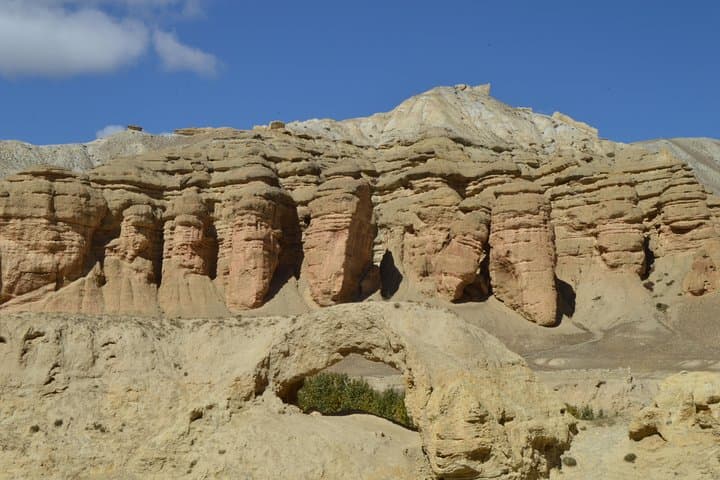
A thin wind carries prayer flags across a town gate and the air tastes like dry stone and yak butter tea. You step out of the last green valley and into a landscape that refuses soft edges: red cliffs, wind-carved ridges and white chortens that mark a route older than mapped roads. Walking into Upper Mustang feels like moving into a high, cold province of history where the sky pushes you forward.
A thin wind carries prayer flags across a town gate and the air tastes like dry stone and yak butter tea. You step out of the last green valley and into a landscape that refuses soft edges: red cliffs, wind-carved ridges and white chortens that mark a route older than mapped roads. Walking into Upper Mustang feels like moving into a high, cold province of history where the sky pushes you forward.
Upper Mustang was the independent Kingdom of Lo until the mid-20th century; its culture is tightly Tibetan in language, dress and monastic life. Geologically the region sits in the rain shadow of Dhaulagiri and Annapurna, so expect exposed sedimentary cliffs, fossil-rich riverbeds along the Kali Gandaki, and broad, stony plateaus rather than forested slopes. Villages—Lo-Manthang, Ghami, Tsarang—are compact clusters of whitewashed houses and mani walls. Monasteries and cave complexes speak to centuries of remote Buddhist practice.
Practically: this is a high-altitude, multi-day tea-house trek that requires permits and a phased ascent for acclimatization. Daily stages on this itinerary range from short 3-hour walks to harder 6–7 hour days, with passes near 4,200 m. Trails are rocky, exposed and often dusty; afternoons bring strong sun and brisk winds. Hydrate, pace uphill sections, and sleep lower when possible. Carry sun protection and layered insulation for cold nights; a porter service and local guides are standard and advisable. Weather windows are clearest in spring and autumn, but winter offers crisp clarity for experienced trekkers.
When planned with sensible pacing and respect for altitude, the Upper Mustang Trek delivers rare culture, open-country vistas and the feeling of walking along a living edge between Tibet and Nepal.