THE ADVENTURE COLLECTIVE® · Independent discovery and booking for outdoor travel

A privately guided, 16-day trek into Upper Mustang takes you past wind-scarred canyons, high passes and the walled town of Lo Manthang. Expect teahouse lodging, required permits and daily hikes that top out near 4,000 m.
A privately guided, 16-day trek into Upper Mustang takes you past wind-scarred canyons, high passes and the walled town of Lo Manthang. Expect teahouse lodging, required permits and daily hikes that top out near 4,000 m.
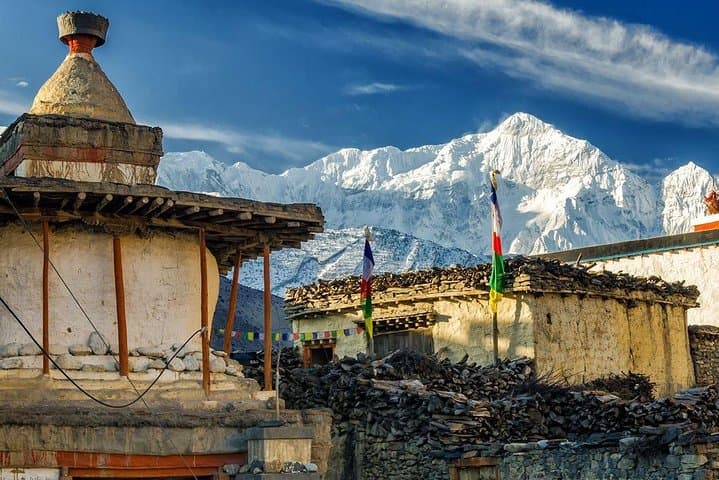
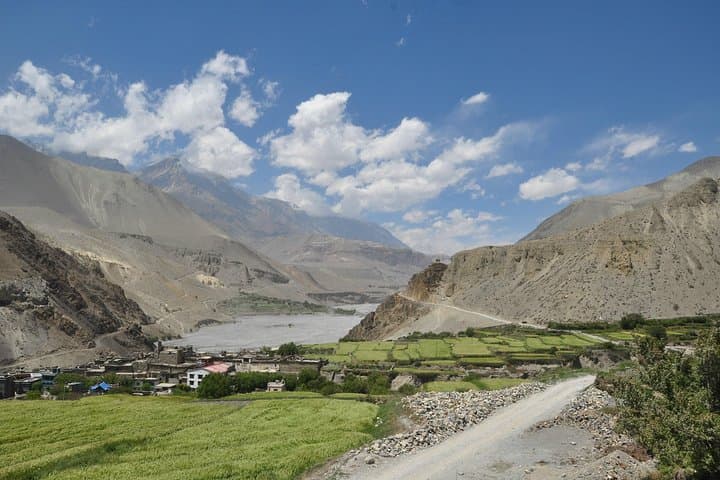
You wake before dawn in Pokhara, the lake city trading mist for mountain outlines. A short, early flight slices through a narrow gorge to Jomsom; wind presses at the tiny aircraft like a gatekeeper. From Jomsom the trail follows the Kali Gandaki’s braids into an arid, wind-sculpted world where sandstone canyons, red gompas and high passes frame the approach to Lo Manthang — the walled capital of the old Lo kingdom.
Verified experiences and guided adventures in the surrounding area.
Operated by Altitude Himalaya · Lo Manthang, Gandaki Province
You wake before dawn in Pokhara, the lake city trading mist for mountain outlines. A short, early flight slices through a narrow gorge to Jomsom; wind presses at the tiny aircraft like a gatekeeper. From Jomsom the trail follows the Kali Gandaki’s braids into an arid, wind-sculpted world where sandstone canyons, red gompas and high passes frame the approach to Lo Manthang — the walled capital of the old Lo kingdom.
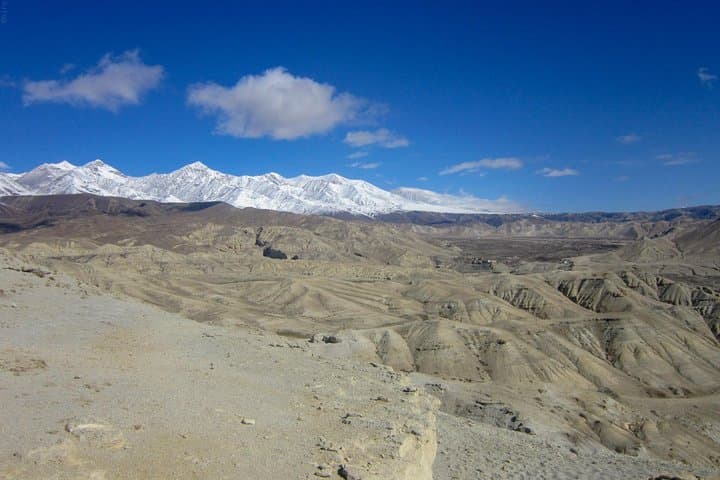
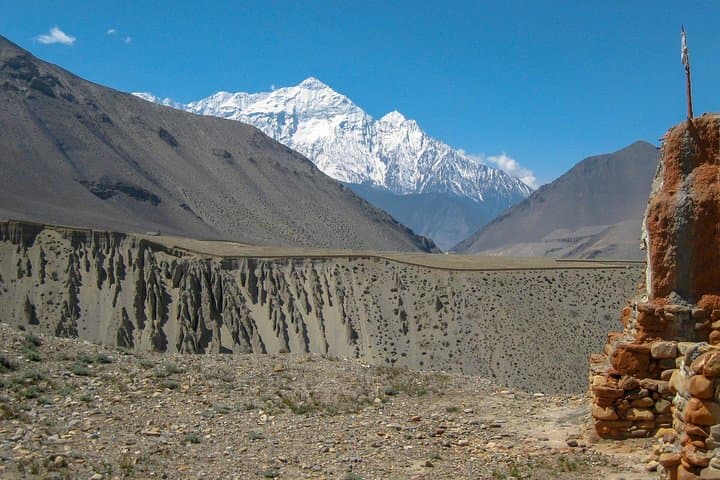
Upper Mustang was a restricted, semi-independent kingdom until the early 1990s; its cliffside caves, whitewashed gompas and Tibetan-Buddhist rituals reflect centuries of trans-Himalayan culture. Geologically the region sits in the rain shadow of the Annapurnas and Dhaulagiri, producing desert-like badlands composed of layered sediments and wind-polished cliffs; glaciers feed the river systems lower down.
On this privately guided 16-day trek expect 4–6 hours of walking most days, multiple passes approaching 3,600–4,000 m, and teahouse lodgings in small villages. Permits (Upper Mustang restricted-area permit, TIMS/ACAP where required), a licensed guide and acclimatization time are essential. Pack layered insulation for cold nights, sun protection for the exposed days, and fluids—humidity is low and winds dry.
Practical rhythm: fly early to Jomsom, hike along the Kali Gandaki, cross Yamada and Lo passes to reach Lo Manthang, spend a cultural day visiting Jhampa, Thupchen and Chhoeda gompas, then return via the same trail. Expect dusty trails, strong high-altitude sun, simple but hearty teahouse meals and the steady presence of nomadic and agricultural life. With preparation and respect for local rules, the Upper Mustang trek delivers stark Himalayan beauty and an unusually intact cultural landscape.
moderate.
16 days.
Moderate cardiovascular fitness with experience on multi-day hikes; ability to hike 4–6 hours/day at high altitude.
Yes — Upper Mustang is a restricted area; trekkers must obtain a special permit in addition to TIMS/ACAP where applicable. Your operator typically handles paperwork but arrange it before arrival.
The itinerary crosses passes approaching 4,000 m (some listed near 3,950–4,010 m). Proper acclimatization and pacing are essential.
Accommodation is primarily basic teahouses/tea lodges in villages; expect simple rooms, shared bathrooms sometimes, and hearty Nepali meals.
Physically fit beginners with prior multi-day hiking experience and proper acclimatization can complete it, provided they follow guide advice and prepare for long days at altitude.
Upper Mustang was historically the Lo kingdom, culturally and trade-linked to Tibet; restricted access until the 1990s preserved its unique medieval town layout and monasteries.
Permits and local fees support community development; stick to marked trails, avoid collecting cultural artifacts and minimize use of single-use plastics to protect the fragile rain-shadow ecosystem.
Altitude Himalaya operates guided outdoor trips and adventures with an emphasis on safety, stewardship, and memorable experiences.
You wake before dawn in Pokhara, the lake city trading mist for mountain outlines. A short, early flight slices through a narrow gorge to Jomsom; wind presses at the tiny aircraft like a gatekeeper. From Jomsom the trail follows the Kali Gandaki’s braids into an arid, wind-sculpted world where sandstone canyons, red gompas and high passes frame the approach to Lo Manthang — the walled capital of the old Lo kingdom.
You wake before dawn in Pokhara, the lake city trading mist for mountain outlines. A short, early flight slices through a narrow gorge to Jomsom; wind presses at the tiny aircraft like a gatekeeper. From Jomsom the trail follows the Kali Gandaki’s braids into an arid, wind-sculpted world where sandstone canyons, red gompas and high passes frame the approach to Lo Manthang — the walled capital of the old Lo kingdom.
Upper Mustang was a restricted, semi-independent kingdom until the early 1990s; its cliffside caves, whitewashed gompas and Tibetan-Buddhist rituals reflect centuries of trans-Himalayan culture. Geologically the region sits in the rain shadow of the Annapurnas and Dhaulagiri, producing desert-like badlands composed of layered sediments and wind-polished cliffs; glaciers feed the river systems lower down.
On this privately guided 16-day trek expect 4–6 hours of walking most days, multiple passes approaching 3,600–4,000 m, and teahouse lodgings in small villages. Permits (Upper Mustang restricted-area permit, TIMS/ACAP where required), a licensed guide and acclimatization time are essential. Pack layered insulation for cold nights, sun protection for the exposed days, and fluids—humidity is low and winds dry.
Practical rhythm: fly early to Jomsom, hike along the Kali Gandaki, cross Yamada and Lo passes to reach Lo Manthang, spend a cultural day visiting Jhampa, Thupchen and Chhoeda gompas, then return via the same trail. Expect dusty trails, strong high-altitude sun, simple but hearty teahouse meals and the steady presence of nomadic and agricultural life. With preparation and respect for local rules, the Upper Mustang trek delivers stark Himalayan beauty and an unusually intact cultural landscape.