THE ADVENTURE COLLECTIVE® · Independent discovery and booking for outdoor travel

A demanding 16-day trek into Nepal’s restricted Upper Mustang, this route leads from Jomsom through Kagbeni and Muktinath to the walled town of Lo Manthang. Expect arid high plateaus, Tibetan culture, and remote teahouse nights.
A demanding 16-day trek into Nepal’s restricted Upper Mustang, this route leads from Jomsom through Kagbeni and Muktinath to the walled town of Lo Manthang. Expect arid high plateaus, Tibetan culture, and remote teahouse nights.
You step off the dusty jeep in Jomsom and the wind takes hold—thin, steady, and relentless—pushing you toward a landscape that feels half desert, half high plain. Over the next days the trail narrows into a carved corridor of stone and prayer flags as you move through Kagbeni, climb past Muktinath’s shrine, and enter the arid, wind-swept basin above Lo Manthang.
Verified experiences and guided adventures in the surrounding area.
Operated by Hiking Adventure Treks · Lo Manthang, Gandaki Province
You step off the dusty jeep in Jomsom and the wind takes hold—thin, steady, and relentless—pushing you toward a landscape that feels half desert, half high plain. Over the next days the trail narrows into a carved corridor of stone and prayer flags as you move through Kagbeni, climb past Muktinath’s shrine, and enter the arid, wind-swept basin above Lo Manthang.
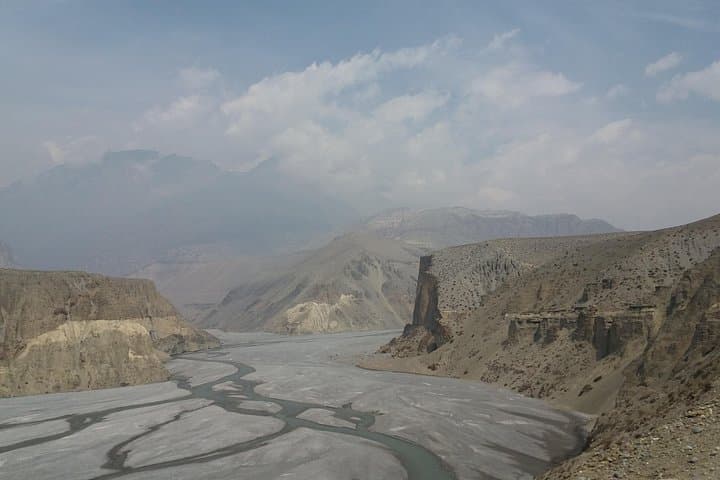
Upper Mustang occupies a unique rain-shadow pocket on the northern edge of the Annapurna massif. Geologically it’s a high, exposed plateau of eroded sandstone and conglomerate cliffs; culturally it’s Tibetan in language, dress, and religion, with medieval fortresses and monasteries that predate modern Nepal’s borders. Lo Manthang itself is a walled town where flat-roofed houses lean into one another and gompas keep watch.
Expect daily walking of four to six hours between villages, high passes and wide valley floors. Trails are well-defined but remote; water sources can be scarce and settlements are basic teahouse stops rather than luxury lodges. Altitude is the real factor—nights in desert-cold ruins, days of bright, unfiltered sun, and thin air that makes every step heavier.
Practical edge: permit paperwork for Upper Mustang is mandatory and arranged before entry; bring ample cash, layered clothing, a reliable sleeping bag rated to -10°C, and a slow plan for acclimatization. Hydrate aggressively, pace your ascent, and carry a basic medical kit for altitude symptoms. The route rewards patience: stark cliffs, prayer wheels humming in the wind, and nights under a sky that pushes the stars close enough to touch.
challenging.
16 days.
Good cardiovascular fitness and experience with multiday treks at altitude; able to carry a daypack and walk 4–6 hours daily.
Yes—Upper Mustang is a restricted area; travelers need a special permit arranged through the Nepal government or your operator before entry.
The trail is non-technical but physically demanding due to altitude and long days; basic trekking experience is recommended.
Yes—altitude illness can occur; build in acclimatization days, ascend slowly, and descend if symptoms worsen.
Yes—small teahouses in villages provide basic meals and overnight rooms, but facilities are simpler than lower-altitude routes.
Mustang was a semi-independent Tibetan kingdom until the mid-20th century; Lo Manthang retains its walled palaces and monarchal history.
Upper Mustang’s fragile rain-shadow ecosystem and cultural sites are sensitive—stick to trails, pack out waste, and respect local restrictions and permits.
Hiking Adventure Treks operates guided outdoor trips and adventures with an emphasis on safety, stewardship, and memorable experiences.
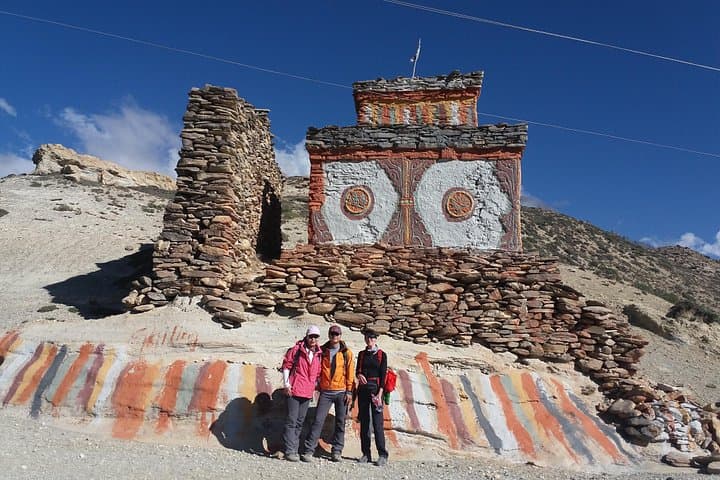
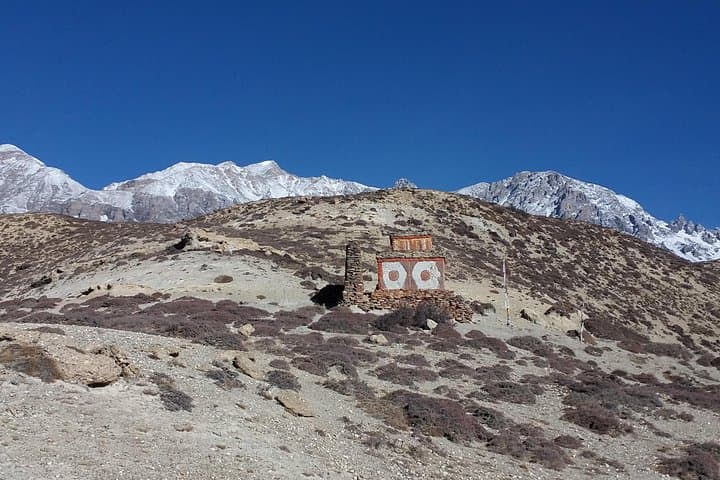
You step off the dusty jeep in Jomsom and the wind takes hold—thin, steady, and relentless—pushing you toward a landscape that feels half desert, half high plain. Over the next days the trail narrows into a carved corridor of stone and prayer flags as you move through Kagbeni, climb past Muktinath’s shrine, and enter the arid, wind-swept basin above Lo Manthang.
You step off the dusty jeep in Jomsom and the wind takes hold—thin, steady, and relentless—pushing you toward a landscape that feels half desert, half high plain. Over the next days the trail narrows into a carved corridor of stone and prayer flags as you move through Kagbeni, climb past Muktinath’s shrine, and enter the arid, wind-swept basin above Lo Manthang.
Upper Mustang occupies a unique rain-shadow pocket on the northern edge of the Annapurna massif. Geologically it’s a high, exposed plateau of eroded sandstone and conglomerate cliffs; culturally it’s Tibetan in language, dress, and religion, with medieval fortresses and monasteries that predate modern Nepal’s borders. Lo Manthang itself is a walled town where flat-roofed houses lean into one another and gompas keep watch.
Expect daily walking of four to six hours between villages, high passes and wide valley floors. Trails are well-defined but remote; water sources can be scarce and settlements are basic teahouse stops rather than luxury lodges. Altitude is the real factor—nights in desert-cold ruins, days of bright, unfiltered sun, and thin air that makes every step heavier.
Practical edge: permit paperwork for Upper Mustang is mandatory and arranged before entry; bring ample cash, layered clothing, a reliable sleeping bag rated to -10°C, and a slow plan for acclimatization. Hydrate aggressively, pace your ascent, and carry a basic medical kit for altitude symptoms. The route rewards patience: stark cliffs, prayer wheels humming in the wind, and nights under a sky that pushes the stars close enough to touch.