THE ADVENTURE COLLECTIVE® · Independent discovery and booking for outdoor travel

Follow a high-desert route into the walled capital of Lo Manthang on this 13-day Upper Mustang trek. Expect stark sandstone canyons, Tibetan-influenced villages, high passes, and tea-house nights.
Follow a high-desert route into the walled capital of Lo Manthang on this 13-day Upper Mustang trek. Expect stark sandstone canyons, Tibetan-influenced villages, high passes, and tea-house nights.
The trail opens on a thin ribbon of dust where the Kali Gandaki dares you to follow. Morning flights into Jomsom kick the lungs with cold air; then the valley unrolls — sand-colored cliffs, prayer flags stitched to wind, and terraces that cling like memory to the slope. By the time the walled streets of Lo Manthang appear, the Himalaya stand in an unexpected southern stance, sharp and spare against the sky.
Verified experiences and guided adventures in the surrounding area.
Operated by Welcome Nepal Treks P.ltd · Pokhara, Gandaki Province
The trail opens on a thin ribbon of dust where the Kali Gandaki dares you to follow. Morning flights into Jomsom kick the lungs with cold air; then the valley unrolls — sand-colored cliffs, prayer flags stitched to wind, and terraces that cling like memory to the slope. By the time the walled streets of Lo Manthang appear, the Himalaya stand in an unexpected southern stance, sharp and spare against the sky.
Upper Mustang sits on the rain-shadowed edge of the Tibetan Plateau. Geology here is raw: wind and time have carved cliffs of soft sandstone and deposited ancient marine fossils that hint at seas long vanished. Culturally the region leans Tibetan — fortified towns, gompas painted in earth tones, and festivals such as Tiji that animate courtyards with masked dances and incense. Small villages still run on barley fields, yak pastures and trade routes that once moved salt and grain.
Practical guidance: the 13-day itinerary mixes short flights with steady 4–6 hour trek days, reaching 3,700–3,800 m in Lo Manthang and Muktinath; expect dry trails, stream crossings, and basic tea-house lodging. Acclimatize in Jomsom and Chele, hydrate frequently, and pack layers for sharp diurnal swings — daytime can be warm, nights drop cold. Footwear with good tread, a reliable wind shell and a headlamp are non-negotiable. Allow time for a rest day in Lo Manthang to explore gompas and the Durbar’s narrow lanes; the landscape rewards patience as much as effort.
challenging.
13 days.
Good cardiovascular fitness with prior multi-day trekking experience; comfortable walking 4–6 hours a day at altitude.
Yes — a restricted-area permit for Upper Mustang and additional local permits are required; these are arranged in advance and usually included in organized trips.
Accommodation is basic tea-house lodging: shared rooms, simple meals, and limited hot water, especially beyond Jomsom and Lo Manthang.
Ascend slowly, hydrate, sleep lower when possible, and monitor symptoms; descent is the most effective treatment and guides carry oxygen and medications on organized treks.
Flights are frequent but weather-dependent — strong winds can delay or cancel flights, so build buffer time into your schedule.
Upper Mustang was an independent kingdom with strong Tibetan cultural ties; Lo Manthang’s walled city preserves centuries-old gompas and palace architecture.
The region is fragile and dry; visitors should minimize waste, stick to trails, and support local tea houses to reduce environmental pressure.
Welcome Nepal Treks P.ltd operates guided outdoor trips and adventures with an emphasis on safety, stewardship, and memorable experiences.
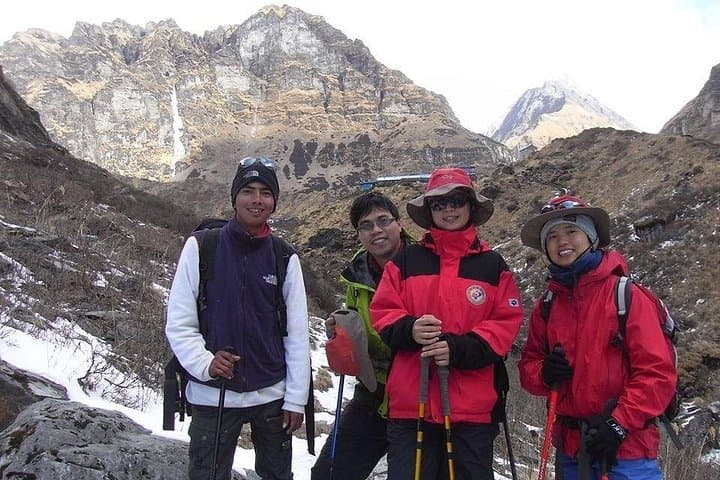
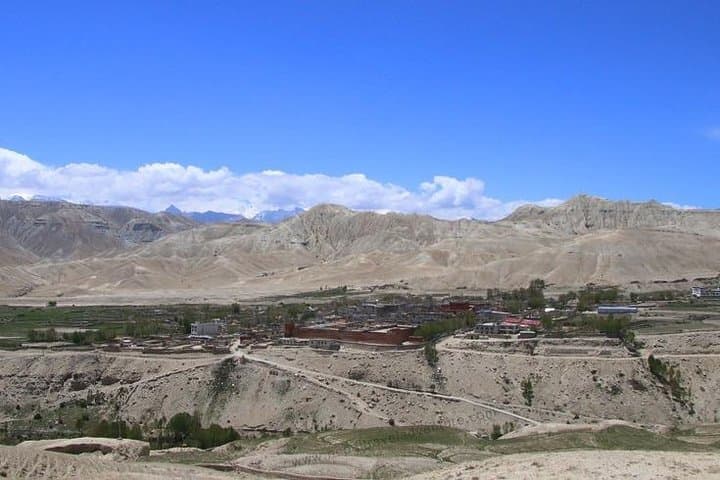
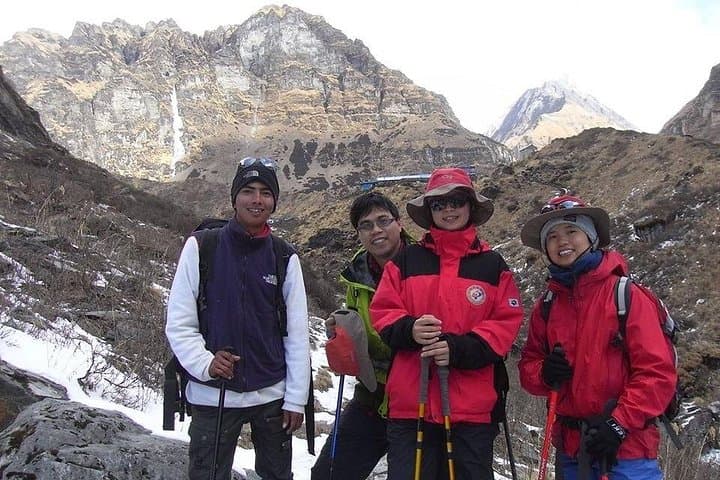
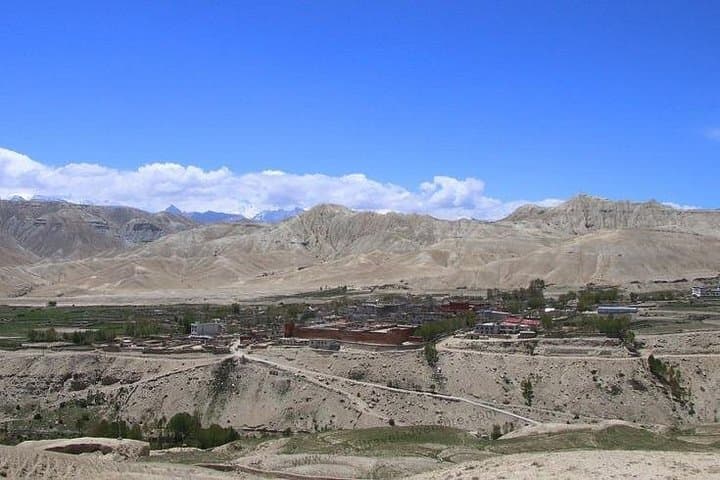
The trail opens on a thin ribbon of dust where the Kali Gandaki dares you to follow. Morning flights into Jomsom kick the lungs with cold air; then the valley unrolls — sand-colored cliffs, prayer flags stitched to wind, and terraces that cling like memory to the slope. By the time the walled streets of Lo Manthang appear, the Himalaya stand in an unexpected southern stance, sharp and spare against the sky.
The trail opens on a thin ribbon of dust where the Kali Gandaki dares you to follow. Morning flights into Jomsom kick the lungs with cold air; then the valley unrolls — sand-colored cliffs, prayer flags stitched to wind, and terraces that cling like memory to the slope. By the time the walled streets of Lo Manthang appear, the Himalaya stand in an unexpected southern stance, sharp and spare against the sky.
Upper Mustang sits on the rain-shadowed edge of the Tibetan Plateau. Geology here is raw: wind and time have carved cliffs of soft sandstone and deposited ancient marine fossils that hint at seas long vanished. Culturally the region leans Tibetan — fortified towns, gompas painted in earth tones, and festivals such as Tiji that animate courtyards with masked dances and incense. Small villages still run on barley fields, yak pastures and trade routes that once moved salt and grain.
Practical guidance: the 13-day itinerary mixes short flights with steady 4–6 hour trek days, reaching 3,700–3,800 m in Lo Manthang and Muktinath; expect dry trails, stream crossings, and basic tea-house lodging. Acclimatize in Jomsom and Chele, hydrate frequently, and pack layers for sharp diurnal swings — daytime can be warm, nights drop cold. Footwear with good tread, a reliable wind shell and a headlamp are non-negotiable. Allow time for a rest day in Lo Manthang to explore gompas and the Durbar’s narrow lanes; the landscape rewards patience as much as effort.