THE ADVENTURE COLLECTIVE® · Independent discovery and booking for outdoor travel

Travel north from Pokhara into a high, arid kingdom of wind‑carved canyons and Tibetan Buddhist villages. This 11‑night, 12‑day trek to Lo Manthang combines high‑altitude acclimatization with isolated cultural encounters and strict permit requirements.
Travel north from Pokhara into a high, arid kingdom of wind‑carved canyons and Tibetan Buddhist villages. This 11‑night, 12‑day trek to Lo Manthang combines high‑altitude acclimatization with isolated cultural encounters and strict permit requirements.
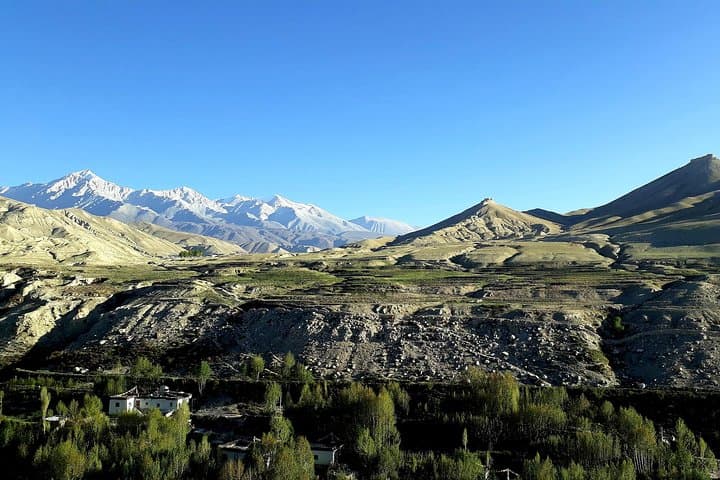
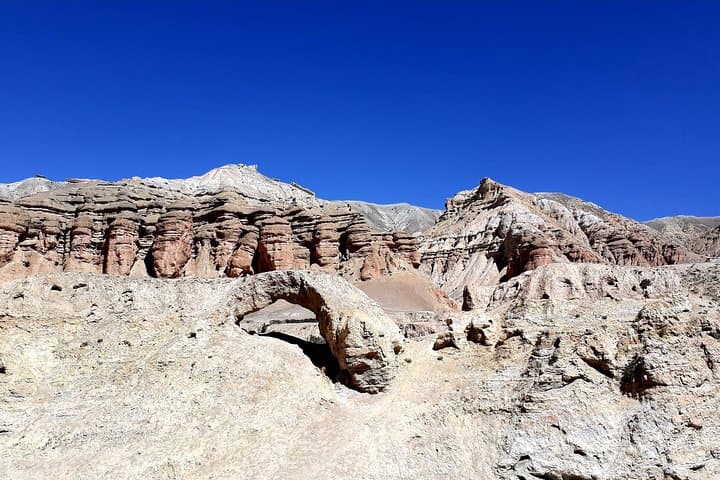
A thin, cold wind races down the Kali Gandaki as you step off the jeep in Jomsom and enter a landscape that does not behave like the rest of the Himalaya. The valley opens into bare, ochre ridges, wind-carved canyons and tight villages where prayer flags snap like small sails.
Verified experiences and guided adventures in the surrounding area.
Operated by Swissa Adventure Travel & Treks · Lo Manthang, Gandaki Province
A thin, cold wind races down the Kali Gandaki as you step off the jeep in Jomsom and enter a landscape that does not behave like the rest of the Himalaya. The valley opens into bare, ochre ridges, wind-carved canyons and tight villages where prayer flags snap like small sails.
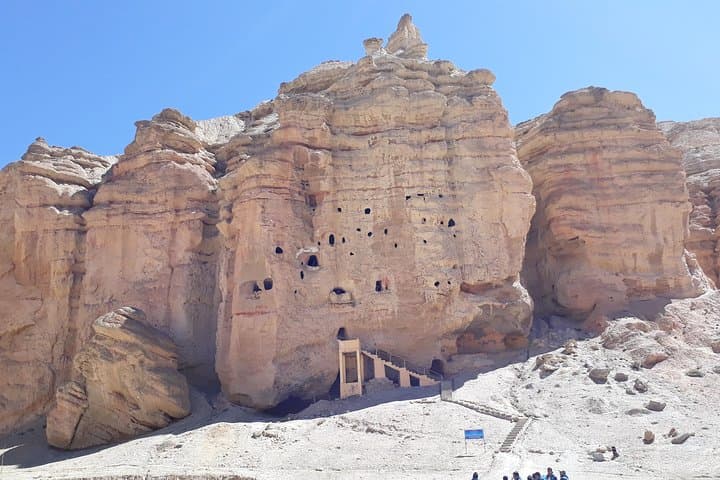
Upper Mustang sits in a high rain‑shadow north of the Annapurnas. Its walled capital, Lo Manthang, grew from the medieval Kingdom of Lo and still preserves Tibetan Buddhist gompas, painted cliffside caves and flat-roofed houses. Geologically, the region is part of the Trans‑Himalaya: older, uplifted rock faces shaped by arid erosion, not verdant glaciation. The culture here is Tibetan-influenced—drying apricots, chortens at village approaches and mani walls that mark every pass.
Practically, this is remote, permit‑controlled trekking: ACAP/TIMS plus a Restricted Area Permit are required and often escorted by a licensed guide. Expect steady days between 2,700–3,800 m with one acclimatization/rest day in Lo Manthang; teahouses are basic but hospitable. Trails range from dusty jeep tracks to narrow mule paths; altitude is the primary challenge rather than technical terrain.
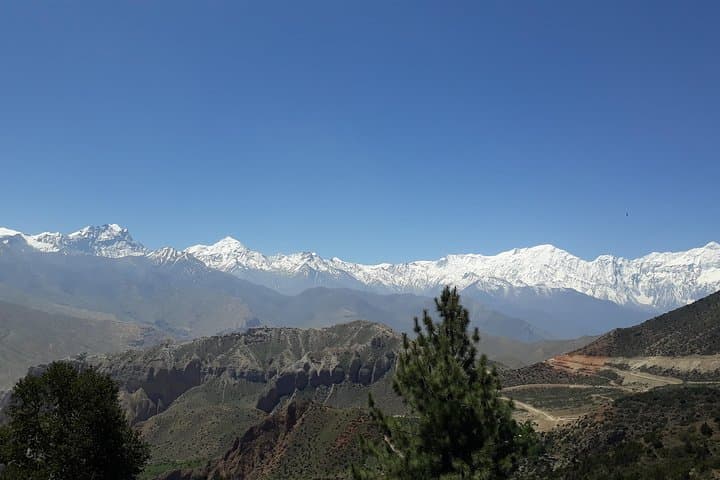
Plan for strong sun, cold nights, and wind that can change a light afternoon into a freezing cross‑country stretch. Bring layered insulation, reliable boots, and contingency days for weather. With preparation, the Upper Mustang trek rewards with ancient walls, high desert panoramas and quiet, living Tibetan culture that still feels a little otherworldly.
challenging.
11 nights, 12 days.
Good cardiovascular fitness and experience with multi-day trekking at altitude; able to walk 5–7 hours per day on uneven terrain.
Yes—Restricted Area Permits require a licensed guide; operators usually arrange permits and provide experienced lead guides.
You need ACAP/TIMS permits and a Restricted Area Permit for Upper Mustang; fees and processing differ for foreign nationals and are arranged before departure.
The route is non‑technical but challenging due to altitude and long days; prior multi-day trekking experience and good fitness are recommended.
Teahouses provide basic rooms, blankets and simple meals; facilities improve in Jomsom and Lo Manthang but remain modest compared with lower-elevation lodges.
Upper Mustang was the Kingdom of Lo until the mid-20th century; Lo Manthang’s fortified layout dates to the 15th century and preserves Tibetan Buddhist practices.
The restricted permit system limits visitor numbers to protect a fragile rain‑shadow ecosystem; follow leave‑no‑trace rules, minimize waste and respect local water scarcity.
Swissa Adventure Travel & Treks operates guided outdoor trips and adventures with an emphasis on safety, stewardship, and memorable experiences.
A thin, cold wind races down the Kali Gandaki as you step off the jeep in Jomsom and enter a landscape that does not behave like the rest of the Himalaya. The valley opens into bare, ochre ridges, wind-carved canyons and tight villages where prayer flags snap like small sails.
A thin, cold wind races down the Kali Gandaki as you step off the jeep in Jomsom and enter a landscape that does not behave like the rest of the Himalaya. The valley opens into bare, ochre ridges, wind-carved canyons and tight villages where prayer flags snap like small sails.
Upper Mustang sits in a high rain‑shadow north of the Annapurnas. Its walled capital, Lo Manthang, grew from the medieval Kingdom of Lo and still preserves Tibetan Buddhist gompas, painted cliffside caves and flat-roofed houses. Geologically, the region is part of the Trans‑Himalaya: older, uplifted rock faces shaped by arid erosion, not verdant glaciation. The culture here is Tibetan-influenced—drying apricots, chortens at village approaches and mani walls that mark every pass.
Practically, this is remote, permit‑controlled trekking: ACAP/TIMS plus a Restricted Area Permit are required and often escorted by a licensed guide. Expect steady days between 2,700–3,800 m with one acclimatization/rest day in Lo Manthang; teahouses are basic but hospitable. Trails range from dusty jeep tracks to narrow mule paths; altitude is the primary challenge rather than technical terrain.
Plan for strong sun, cold nights, and wind that can change a light afternoon into a freezing cross‑country stretch. Bring layered insulation, reliable boots, and contingency days for weather. With preparation, the Upper Mustang trek rewards with ancient walls, high desert panoramas and quiet, living Tibetan culture that still feels a little otherworldly.