THE ADVENTURE COLLECTIVE® · Independent discovery and booking for outdoor travel

A three-day sampan cruise from Cai Be to Chau Doc that threads narrow canals, floating markets and riverside villages—ideal for travelers who want close-up encounters with Mekong Delta life. Read on for what to expect, where the stops are, and how to prepare.
A three-day sampan cruise from Cai Be to Chau Doc that threads narrow canals, floating markets and riverside villages—ideal for travelers who want close-up encounters with Mekong Delta life. Read on for what to expect, where the stops are, and how to prepare.
The sampan slips away from Phu An Jetty at first light, wooden hull humming as the delta wakes—canoes threading narrow canals, fruit stalls bobbing like islands, and a lamp-lit market dissolving into daylight.
Verified experiences and guided adventures in the surrounding area.
Operated by Vietnam Travel Landscape · Cai Be, Tiền Giang
The sampan slips away from Phu An Jetty at first light, wooden hull humming as the delta wakes—canoes threading narrow canals, fruit stalls bobbing like islands, and a lamp-lit market dissolving into daylight.
Across three days aboard a traditional sampan you’ll travel from Cai Be toward Chau Doc, crossing rice-sliced floodplains and tucking into slender waterways where waterplants lean and birds keep watch. Geology here is recent—alluvial silt from upriver creates the web of islands and shallow channels that farmers steer around; culture is layered, with Khmer, Cham and Vietnamese influences visible in pagodas, markets and recipes served on board.
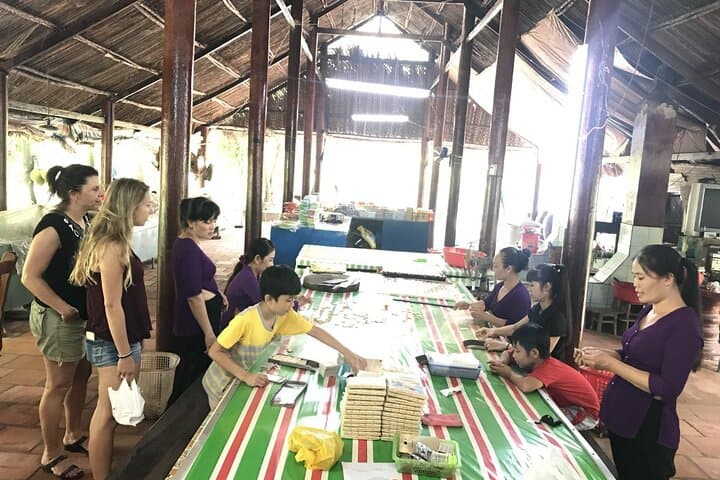
Stops include Le Longanier’s colonial garden villa, a brick-making workshop, Sa Dec’s historic house from The Lover, Tiger Island, and the Tra Su wetland—each place a human-scale vignette of river life. The pace is slow by design: mornings for cycling and markets, afternoons for short walks and village visits, nights anchored under a broad southern sky.
Practical notes: cabins are modest; expect low steps, shared deck space and simple meals of local fish, rice and tropical fruit. Bring insect repellent, a light rain jacket and motion-sensible footwear for slippery gangways. Plan early mornings for market visits when activity is highest and pack a small day bag for shore excursions. Respect boat crew routines, support local vendors directly, and keep plastic use to a minimum—this river’s rhythms depend on fragile, shifting banks.
easy.
3 days.
Suitable for travelers of most fitness levels; must be able to step over low gangways and walk short uneven village paths.
Most departures are from Phu An or Cai Be jetties, with the three-day itinerary typically ending at Victoria Chau Doc private pier near Chau Doc.
Meals described in the itinerary are included—expect family-style Vietnamese breakfasts, lunches and dinners featuring local fish, rice and tropical fruit.
Yes—physical demands are low, but passengers should be able to negotiate short gangways and steps and be prepared for basic sleeping quarters.
This itinerary finishes near the Cambodian border but does not include a cross-border transfer; check your nationality’s visa requirements if you plan to continue onward to Cambodia from Chau Doc.
The Upper Mekong Delta grew from alluvial deposits and became a crossroads of Khmer, Chinese and Vietnamese traders—its riverside towns display colonial architecture and layered cultural influences.
Wetlands and mangrove areas like Tra Su face pressure from agriculture and infrastructure; choose operators who limit plastic use and support local conservation efforts.
Vietnam Travel Landscape operates guided outdoor trips and adventures with an emphasis on safety, stewardship, and memorable experiences.
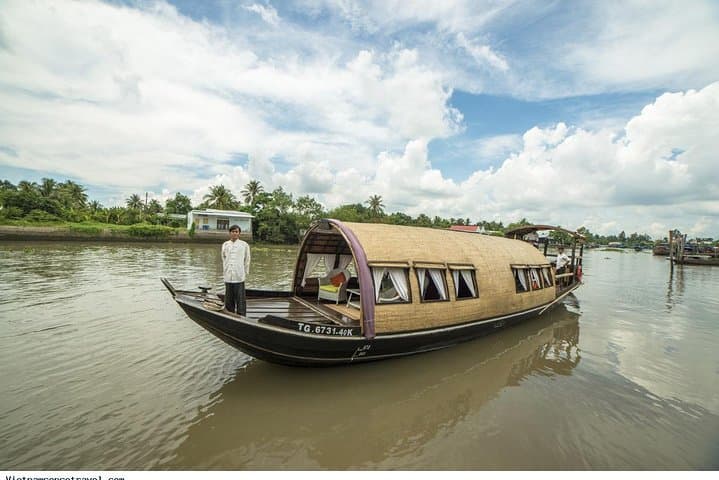
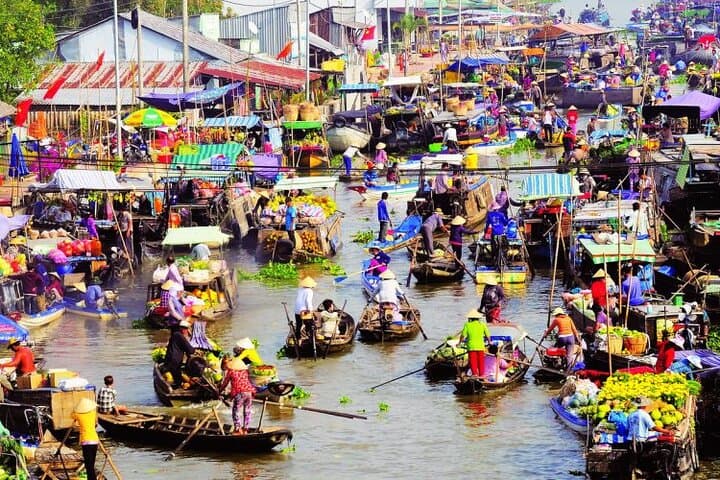
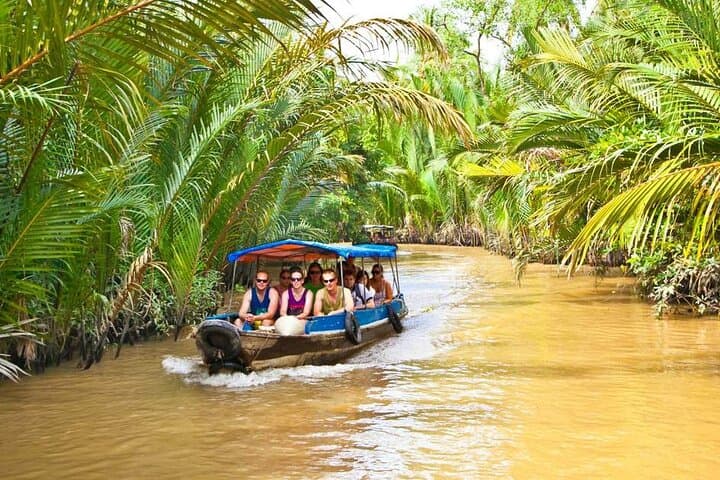
The sampan slips away from Phu An Jetty at first light, wooden hull humming as the delta wakes—canoes threading narrow canals, fruit stalls bobbing like islands, and a lamp-lit market dissolving into daylight.
The sampan slips away from Phu An Jetty at first light, wooden hull humming as the delta wakes—canoes threading narrow canals, fruit stalls bobbing like islands, and a lamp-lit market dissolving into daylight.
Across three days aboard a traditional sampan you’ll travel from Cai Be toward Chau Doc, crossing rice-sliced floodplains and tucking into slender waterways where waterplants lean and birds keep watch. Geology here is recent—alluvial silt from upriver creates the web of islands and shallow channels that farmers steer around; culture is layered, with Khmer, Cham and Vietnamese influences visible in pagodas, markets and recipes served on board.
Stops include Le Longanier’s colonial garden villa, a brick-making workshop, Sa Dec’s historic house from The Lover, Tiger Island, and the Tra Su wetland—each place a human-scale vignette of river life. The pace is slow by design: mornings for cycling and markets, afternoons for short walks and village visits, nights anchored under a broad southern sky.
Practical notes: cabins are modest; expect low steps, shared deck space and simple meals of local fish, rice and tropical fruit. Bring insect repellent, a light rain jacket and motion-sensible footwear for slippery gangways. Plan early mornings for market visits when activity is highest and pack a small day bag for shore excursions. Respect boat crew routines, support local vendors directly, and keep plastic use to a minimum—this river’s rhythms depend on fragile, shifting banks.