THE ADVENTURE COLLECTIVE® · Independent discovery and booking for outdoor travel

Climb from lakeside villages into cloud forest and finish in Sololá’s bustling market on a long, strenuous day hike above Lake Atitlán. Expect steep singletrack, coffee fields, and a chance to witness traditional Mayan ceremony.
Climb from lakeside villages into cloud forest and finish in Sololá’s bustling market on a long, strenuous day hike above Lake Atitlán. Expect steep singletrack, coffee fields, and a chance to witness traditional Mayan ceremony.
A cool mountain wind carries the scent of coffee and damp earth as hikers set off above Lake Atitlán. The trail climbs out of lakeside villages into maize terraces, threads through working coffee plantations and old-growth stands, then pushes into cloud forest where mist wraps the trees like a moving wall. The route finishes in Sololá, an Indigenous highland town whose market spills color and barter into a central plaza.
Verified experiences and guided adventures in the surrounding area.
Operated by Los Elementos Adventure Center & Day Spa · Sololá, Sololá Department
A cool mountain wind carries the scent of coffee and damp earth as hikers set off above Lake Atitlán. The trail climbs out of lakeside villages into maize terraces, threads through working coffee plantations and old-growth stands, then pushes into cloud forest where mist wraps the trees like a moving wall. The route finishes in Sololá, an Indigenous highland town whose market spills color and barter into a central plaza.
Geologically, Lake Atitlán lies in a volcanic caldera; the ridges and valleys around it are products of eruptions and subsequent erosion, giving the trail steep, rocky pitches and fertile slopes. Culturally, this region remains strongly Maya: villagers maintain traditional dress, communal agriculture, and periodic ritual sites — the tour may visit a sacred spot where a shaman conducts fire ceremonies.
Expect a long, demanding day: rough singletrack, stone staircases, and muddy or root-strewn sections in the cloud forest. Elevation changes are significant — plan for repeated climbs and descents over 12–15 km with several hundred metres of gain. The hike ends with time in Sololá’s market, where local textiles, pottery, and produce give a practical window into contemporary highland life.
Practical notes: start early to avoid afternoon rain and crowds on access boats; wear stiff-soled boots, bring 2–3 L of water, and pack layers for rapid temperature swings. If you have cardiovascular or back issues, this route is not recommended. With the right preparation, the Upper Mayan Trail is a demanding but deeply rewarding way to see Lake Atitlán’s landscapes and living culture.
difficult.
10–12 hours.
Requires a high level of cardiovascular fitness and stamina for sustained climbs and long day on uneven terrain
The tour is described as very strenuous; expect long uphill sections, uneven terrain, and 10–12 hours on your feet — good fitness is required.
No, guides typically speak Spanish and often English, but learning basic greetings in Kaqchikel or K’iche’ is appreciated by locals.
Visits to sacred sites depend on local availability and weather; ceremonies may occur but are not guaranteed for every group.
Children must be accompanied by an adult, but the difficulty level makes it unsuitable for very young or less fit children.
Lake Atitlán sits in a volcanic caldera and has been home to Maya communities for centuries; markets like Sololá continue long-standing trade traditions.
Trails pass sensitive cloud-forest habitat — stick to established paths, avoid littering, and support local guides who promote low-impact visits.
Los Elementos Adventure Center & Day Spa operates guided outdoor trips and adventures with an emphasis on safety, stewardship, and memorable experiences.
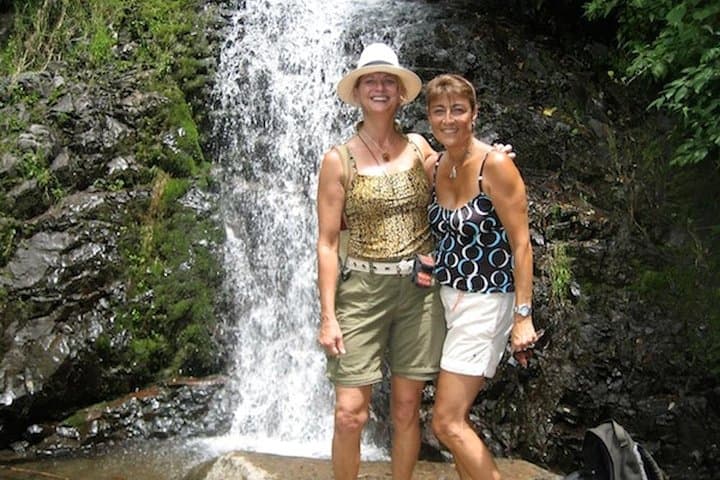
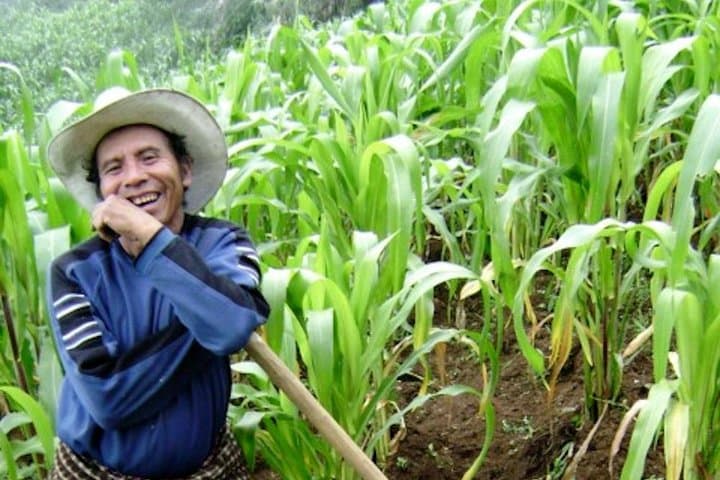
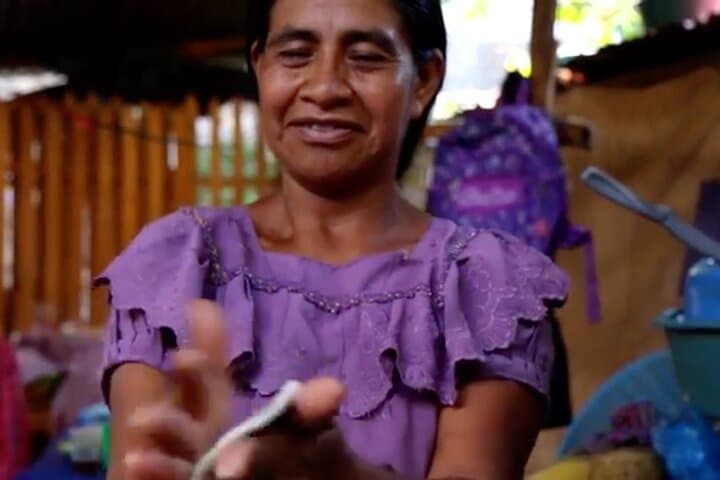
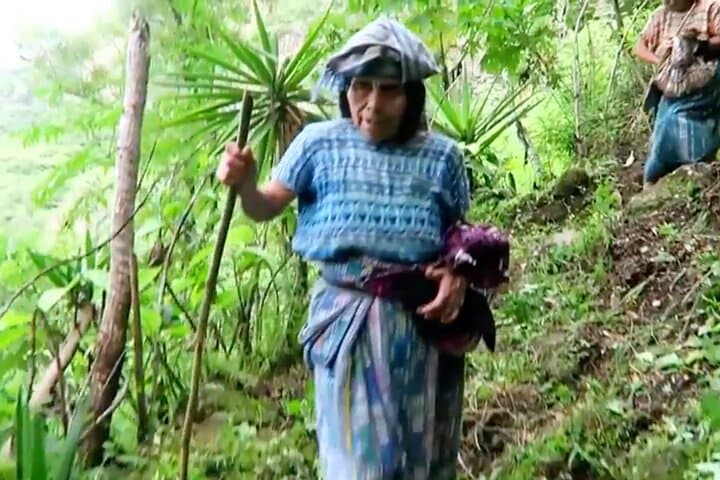
A cool mountain wind carries the scent of coffee and damp earth as hikers set off above Lake Atitlán. The trail climbs out of lakeside villages into maize terraces, threads through working coffee plantations and old-growth stands, then pushes into cloud forest where mist wraps the trees like a moving wall. The route finishes in Sololá, an Indigenous highland town whose market spills color and barter into a central plaza.
A cool mountain wind carries the scent of coffee and damp earth as hikers set off above Lake Atitlán. The trail climbs out of lakeside villages into maize terraces, threads through working coffee plantations and old-growth stands, then pushes into cloud forest where mist wraps the trees like a moving wall. The route finishes in Sololá, an Indigenous highland town whose market spills color and barter into a central plaza.
Geologically, Lake Atitlán lies in a volcanic caldera; the ridges and valleys around it are products of eruptions and subsequent erosion, giving the trail steep, rocky pitches and fertile slopes. Culturally, this region remains strongly Maya: villagers maintain traditional dress, communal agriculture, and periodic ritual sites — the tour may visit a sacred spot where a shaman conducts fire ceremonies.
Expect a long, demanding day: rough singletrack, stone staircases, and muddy or root-strewn sections in the cloud forest. Elevation changes are significant — plan for repeated climbs and descents over 12–15 km with several hundred metres of gain. The hike ends with time in Sololá’s market, where local textiles, pottery, and produce give a practical window into contemporary highland life.
Practical notes: start early to avoid afternoon rain and crowds on access boats; wear stiff-soled boots, bring 2–3 L of water, and pack layers for rapid temperature swings. If you have cardiovascular or back issues, this route is not recommended. With the right preparation, the Upper Mayan Trail is a demanding but deeply rewarding way to see Lake Atitlán’s landscapes and living culture.