THE ADVENTURE COLLECTIVE® · Independent discovery and booking for outdoor travel

Watch wolves and bison through spotting scopes, sip hot coffee as the valley brightens, and walk the steaming terraces of Mammoth—this full-day van tour from West Yellowstone strings together Yellowstone’s most storied wildlife habitats with expert guiding and included lunch.
Watch wolves and bison through spotting scopes, sip hot coffee as the valley brightens, and walk the steaming terraces of Mammoth—this full-day van tour from West Yellowstone strings together Yellowstone’s most storied wildlife habitats with expert guiding and included lunch.
You climb into a windowed van while the town of West Yellowstone is still half-asleep, steam curling from paper cups as headlights carve into the predawn. The road out of town unfurls into the dark: the Madison River murmurs to the left, and a guide’s headlamp illuminates a distant silhouette—a bull elk frozen at the river’s edge. That moment—coffee warming, scope focused, the valley turning from ink to bronze—frames the day ahead on the Upper Loop Tour.
Verified experiences and guided adventures in the surrounding area.
Operated by Yellowstone Hiking Guides · West Yellowstone, Montana
You climb into a windowed van while the town of West Yellowstone is still half-asleep, steam curling from paper cups as headlights carve into the predawn. The road out of town unfurls into the dark: the Madison River murmurs to the left, and a guide’s headlamp illuminates a distant silhouette—a bull elk frozen at the river’s edge. That moment—coffee warming, scope focused, the valley turning from ink to bronze—frames the day ahead on the Upper Loop Tour.
The route stitches together some of Yellowstone’s most consequential landscapes. Shadow Canyon along the Madison is a long-standing corridor for bears and elk, shaped by volcanic flows and the slow sculpting of glacier and river. Mount Washburn, a high, windswept shoulder of the Yellowstone Plateau, gives the van a commanding perch where marmots and elk dot the slope and grizzly sign is common. Lamar Valley, often called North America’s Serengeti, is prime habitat for the park’s reintroduced wolves (first returned here in 1995), massive bison herds, and an array of carnivores and ungulates.
Geology tags the day as much as wildlife. Travertine terraces at Mammoth Hot Springs are living rock—mineral-laden water building terraces and gardens in real time—while the broad flats of Lamar record ancient lakebeds and volcanic ash that made this ecosystem unusually rich. The human history is layered too: Crow and Shoshone people traversed these valleys for millennia before trappers, settlers, and the creation of the park in 1872.
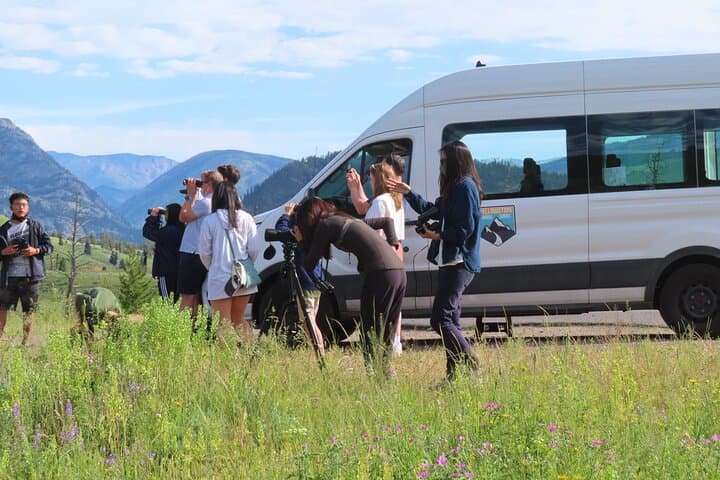
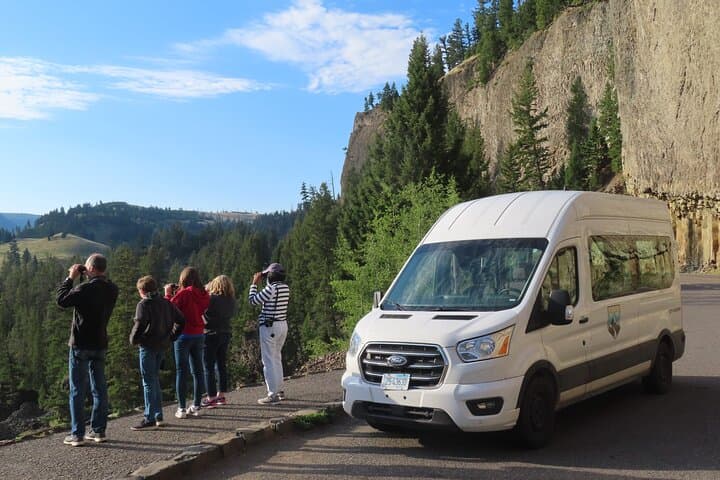
Practicality governs the experience but doesn’t dull the wonder. The tour is an eight-hour, guided van circuit out of West Yellowstone with stops and short walks—spotting scopes are provided and guides coach safe viewing distances. Lunch (sandwich, apple, nuts) and hot drinks are included; vans limit shared tours to small groups for quieter wildlife viewing. Expect a lot of time spent at pullouts, scanning with scopes, and waiting patiently—wildlife doesn’t run on a schedule.
Plan for variable conditions: mornings are cold even in summer, winds off Mount Washburn bite, and roads can be dusty. Cell coverage is unreliable—your guide’s knowledge and radio contacts are your best bet for locating animals. Follow instructions: stay with the group at road pullouts, respect buffers around animals, and use provided optics rather than approaching wildlife.
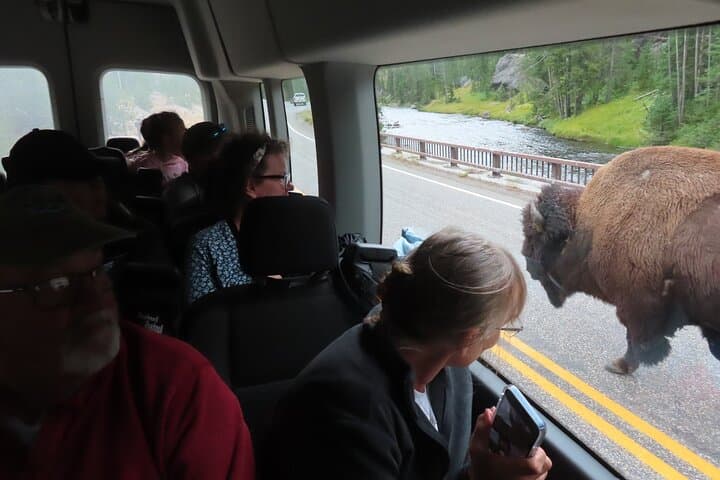
The payoff is elemental: wolves tracked in Lamar’s grass, bison jerking their heads against a sky the color of old pewter, steam spiraling off white terraces at Mammoth. For travelers who want efficient, responsible access to Yellowstone’s big stages—without the stress of navigating miles of park road on their own—this is a practical, high-yield day in the wild heart of the first national park.
moderate.
7–8 hours.
Suitable for most fitness levels; involves short, easy walks and periods of standing while observing wildlife.
Primary meeting is in the parking lot between Madison Amphitheater and the restrooms at 6:45 AM; an alternate meet is the West Yellowstone Visitor Information Center between 6:00–6:15 AM.
Yes—lunch (sandwich, apple, nuts) and hot drinks are provided; indicate dietary requirements when booking for turkey, veggie, vegan, or gluten-free options.
No wildlife can be guaranteed; guides choose areas with the best likelihood—Lamar is prime for wolves and the Madison and Mount Washburn areas often yield bears and elk.
The tour is family-friendly and suitable for most fitness levels; it involves short, mostly flat walks—however attendees with serious mobility restrictions should inquire before booking.
Cell coverage is unreliable inside the park, especially at the Madison meeting spot and many viewing locations—plan accordingly.
The operator may cancel for bad weather; for a full refund cancel at least 24 hours before departure as outlined in the booking terms.
Yellowstone was designated the first national park in 1872; Lamar Valley later became renowned after wolf reintroduction in 1995 reshaped the ecosystem.
Visitors are asked to maintain safe distances, pack out trash, and follow park rules; the tour uses scopes to minimize disturbance and supports responsible viewing practices.
Yellowstone Hiking Guides operates guided outdoor trips and adventures with an emphasis on safety, stewardship, and memorable experiences.
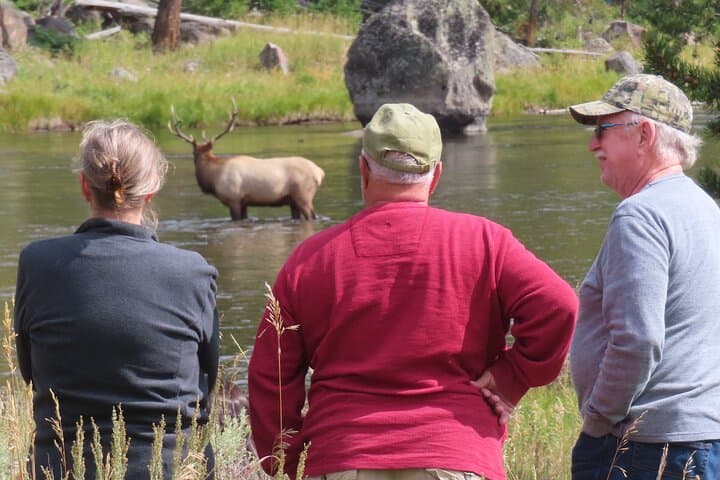
You climb into a windowed van while the town of West Yellowstone is still half-asleep, steam curling from paper cups as headlights carve into the predawn. The road out of town unfurls into the dark: the Madison River murmurs to the left, and a guide’s headlamp illuminates a distant silhouette—a bull elk frozen at the river’s edge. That moment—coffee warming, scope focused, the valley turning from ink to bronze—frames the day ahead on the Upper Loop Tour.
You climb into a windowed van while the town of West Yellowstone is still half-asleep, steam curling from paper cups as headlights carve into the predawn. The road out of town unfurls into the dark: the Madison River murmurs to the left, and a guide’s headlamp illuminates a distant silhouette—a bull elk frozen at the river’s edge. That moment—coffee warming, scope focused, the valley turning from ink to bronze—frames the day ahead on the Upper Loop Tour.
The route stitches together some of Yellowstone’s most consequential landscapes. Shadow Canyon along the Madison is a long-standing corridor for bears and elk, shaped by volcanic flows and the slow sculpting of glacier and river. Mount Washburn, a high, windswept shoulder of the Yellowstone Plateau, gives the van a commanding perch where marmots and elk dot the slope and grizzly sign is common. Lamar Valley, often called North America’s Serengeti, is prime habitat for the park’s reintroduced wolves (first returned here in 1995), massive bison herds, and an array of carnivores and ungulates.
Geology tags the day as much as wildlife. Travertine terraces at Mammoth Hot Springs are living rock—mineral-laden water building terraces and gardens in real time—while the broad flats of Lamar record ancient lakebeds and volcanic ash that made this ecosystem unusually rich. The human history is layered too: Crow and Shoshone people traversed these valleys for millennia before trappers, settlers, and the creation of the park in 1872.
Practicality governs the experience but doesn’t dull the wonder. The tour is an eight-hour, guided van circuit out of West Yellowstone with stops and short walks—spotting scopes are provided and guides coach safe viewing distances. Lunch (sandwich, apple, nuts) and hot drinks are included; vans limit shared tours to small groups for quieter wildlife viewing. Expect a lot of time spent at pullouts, scanning with scopes, and waiting patiently—wildlife doesn’t run on a schedule.
Plan for variable conditions: mornings are cold even in summer, winds off Mount Washburn bite, and roads can be dusty. Cell coverage is unreliable—your guide’s knowledge and radio contacts are your best bet for locating animals. Follow instructions: stay with the group at road pullouts, respect buffers around animals, and use provided optics rather than approaching wildlife.
The payoff is elemental: wolves tracked in Lamar’s grass, bison jerking their heads against a sky the color of old pewter, steam spiraling off white terraces at Mammoth. For travelers who want efficient, responsible access to Yellowstone’s big stages—without the stress of navigating miles of park road on their own—this is a practical, high-yield day in the wild heart of the first national park.