THE ADVENTURE COLLECTIVE® · Independent discovery and booking for outdoor travel

Spend a full day tracing Yellowstone’s northern loop, watching wolves, grizzlies, and bison in Lamar Valley from the comfort of a private vehicle. This guided safari pairs expert spotting, scopes, and a packed lunch for an immersive wildlife day that balances patience with action.
Spend a full day tracing Yellowstone’s northern loop, watching wolves, grizzlies, and bison in Lamar Valley from the comfort of a private vehicle. This guided safari pairs expert spotting, scopes, and a packed lunch for an immersive wildlife day that balances patience with action.
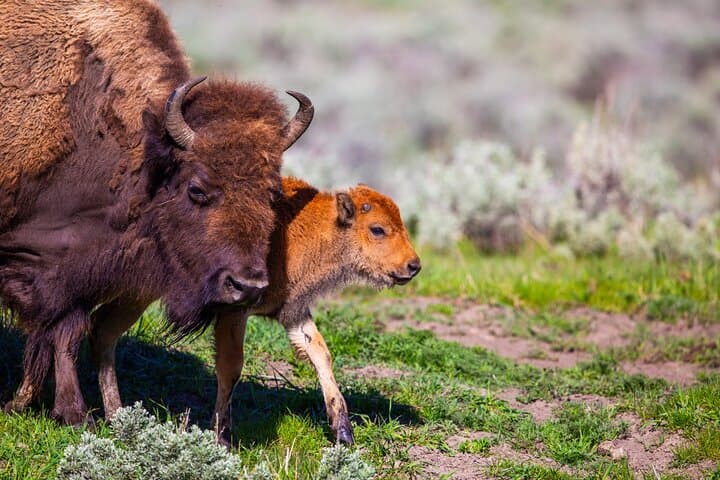
The motor idles on the shoulder while the valley inhales—steam rising from the river, grasses silvered with frost, and a herd of bison dotting the plain like slow-moving islands. Your guide kills the engine and the world contracts to the sound of distant hooves, the low grunt of elk and the click of a scope being trained on a dark shape. This is Lamar Valley at first light: a flat, wide stage where large animals show their most honest rhythms and the caldera’s long, volcanic restlessness still shapes the land.
Verified experiences and guided adventures in the surrounding area.
Operated by Nature Seen · Gardiner, Montana
The motor idles on the shoulder while the valley inhales—steam rising from the river, grasses silvered with frost, and a herd of bison dotting the plain like slow-moving islands. Your guide kills the engine and the world contracts to the sound of distant hooves, the low grunt of elk and the click of a scope being trained on a dark shape. This is Lamar Valley at first light: a flat, wide stage where large animals show their most honest rhythms and the caldera’s long, volcanic restlessness still shapes the land.
Yellowstone is a story written in fire and ice. Beneath the grasses of Lamar, magma pumped heat into the surface and carved the broader contours of the park; glaciers later smoothed valleys and left rivers to challenge canyon rims. Mammoth Hot Springs—one of the tour’s stops—reveals the mineral side of that story: terraces of travertine formed by hot, alkaline water depositing calcium carbonate. Roosevelt Arch at Gardiner marks the human chapter: an early-20th-century declaration that this landscape belongs to the public.
On a private Upper Loop safari you move with intention rather than hurry. Guides here read animal movement like a weather map—wolf packs follow cutbanks, grizzlies patrol berry patches, and bison drift toward river crossings. The vehicle becomes both blind and lens: it conceals you while giving a stable platform for the supplied high-powered spotting scope and binoculars. Guides document sightings with photos and a quick airdrop to your phone; bring your own camera if you want larger files or longer reach.
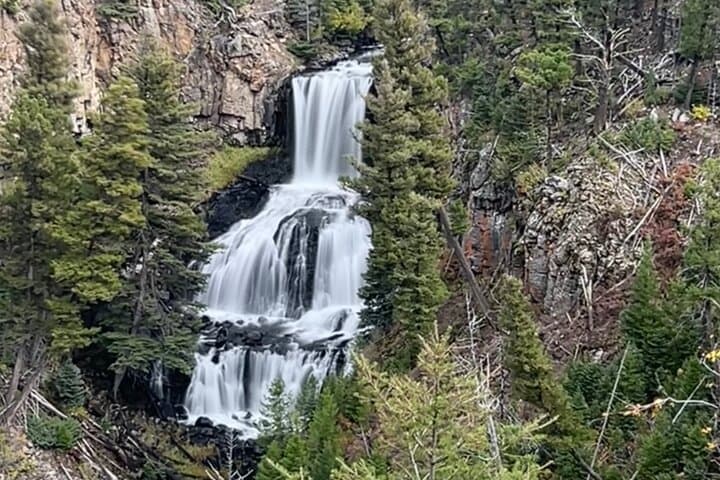
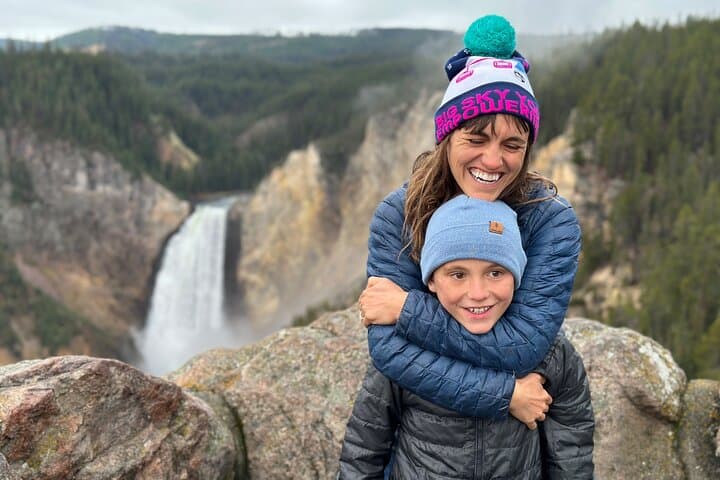
Practical rhythm matters. Dawn and dusk concentrate activity, while midday can be quiet but useful for thermal-driven displays at geothermal sites. The roads are paved but long; expect multiple pullouts and short walks to overlooks like Tower Fall or the Grand Canyon of the Yellowstone. Keep distance: Yellowstone law and safety require you to stay far from large mammals, and guides enforce strict protocols—do not approach animals, do not feed wildlife, and keep doors closed when directed.
For travelers, the tour is forgiving but prepared: you’ll sit for hours with bursts of standing and short walks, so layers are essential, optics are helpful even when scopes are provided, and a charged phone will capture many of the memories—though the best ones happen when you stop trying to frame them and simply watch.
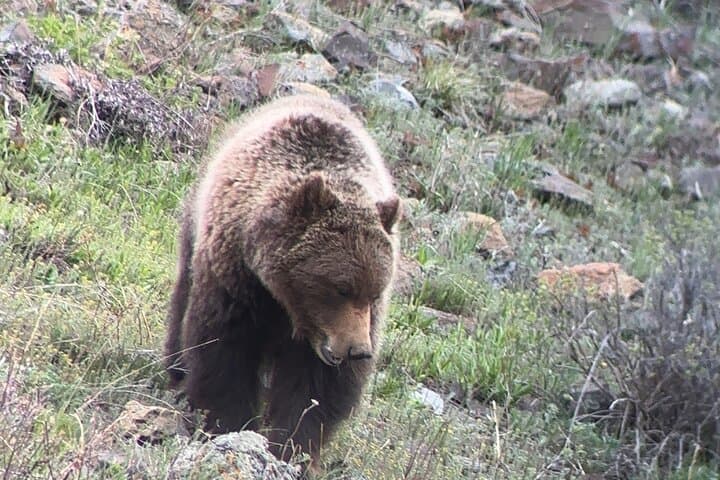
If you go, arrive ready to be patient. The valley rewards those who settle into its pace: a wolf pausing to scent the air, a bull elk answering a distant challenge, a grizzly angling across a slope. The guide’s knowledge turns those moments from snapshots into stories, and the long loop—Mammoth, Lamar, Tower-Roosevelt—makes the day feel like a compact education in how Yellowstone’s wildlife, geology, and human history intersect.
easy.
8–10 hours.
Suitable for people in average fitness who can sit for long periods and handle short roadside walks
Yes—Yellowstone entrance fees are required; some tours include the fee in the booking, but confirm with the operator before departure.
Expect bison, elk, and a good chance for birdlife; wolves and grizzlies are possible but sightings depend on season and animal movement.
Children are allowed; the tour is marked suitable for all fitness levels, but check age minimums and safety guidance with the operator.
The tour involves vehicle-based viewing and short roadside walks—confirm specific accessibility needs when booking as not all pullouts are ADA-equipped.
Dawn and dusk concentrate animal activity, but mid-morning and late afternoon can also be productive depending on weather and season.
Yes—the guide documents sightings and airdrops photos and short video clips to participants after the tour.
The Roosevelt Arch at Gardiner marks the park’s early commitment to public lands; Yellowstone’s wildlife patterns today were reshaped by 20th-century conservation policies and the 1995 wolf reintroduction.
Stay on roads and in vehicles to reduce stress on animals; practicing Leave No Trace and supporting local conservation fees helps preserve Yellowstone’s fragile ecosystems.
Nature Seen operates guided outdoor trips and adventures with an emphasis on safety, stewardship, and memorable experiences.
The motor idles on the shoulder while the valley inhales—steam rising from the river, grasses silvered with frost, and a herd of bison dotting the plain like slow-moving islands. Your guide kills the engine and the world contracts to the sound of distant hooves, the low grunt of elk and the click of a scope being trained on a dark shape. This is Lamar Valley at first light: a flat, wide stage where large animals show their most honest rhythms and the caldera’s long, volcanic restlessness still shapes the land.
The motor idles on the shoulder while the valley inhales—steam rising from the river, grasses silvered with frost, and a herd of bison dotting the plain like slow-moving islands. Your guide kills the engine and the world contracts to the sound of distant hooves, the low grunt of elk and the click of a scope being trained on a dark shape. This is Lamar Valley at first light: a flat, wide stage where large animals show their most honest rhythms and the caldera’s long, volcanic restlessness still shapes the land.
Yellowstone is a story written in fire and ice. Beneath the grasses of Lamar, magma pumped heat into the surface and carved the broader contours of the park; glaciers later smoothed valleys and left rivers to challenge canyon rims. Mammoth Hot Springs—one of the tour’s stops—reveals the mineral side of that story: terraces of travertine formed by hot, alkaline water depositing calcium carbonate. Roosevelt Arch at Gardiner marks the human chapter: an early-20th-century declaration that this landscape belongs to the public.
On a private Upper Loop safari you move with intention rather than hurry. Guides here read animal movement like a weather map—wolf packs follow cutbanks, grizzlies patrol berry patches, and bison drift toward river crossings. The vehicle becomes both blind and lens: it conceals you while giving a stable platform for the supplied high-powered spotting scope and binoculars. Guides document sightings with photos and a quick airdrop to your phone; bring your own camera if you want larger files or longer reach.
Practical rhythm matters. Dawn and dusk concentrate activity, while midday can be quiet but useful for thermal-driven displays at geothermal sites. The roads are paved but long; expect multiple pullouts and short walks to overlooks like Tower Fall or the Grand Canyon of the Yellowstone. Keep distance: Yellowstone law and safety require you to stay far from large mammals, and guides enforce strict protocols—do not approach animals, do not feed wildlife, and keep doors closed when directed.
For travelers, the tour is forgiving but prepared: you’ll sit for hours with bursts of standing and short walks, so layers are essential, optics are helpful even when scopes are provided, and a charged phone will capture many of the memories—though the best ones happen when you stop trying to frame them and simply watch.
If you go, arrive ready to be patient. The valley rewards those who settle into its pace: a wolf pausing to scent the air, a bull elk answering a distant challenge, a grizzly angling across a slope. The guide’s knowledge turns those moments from snapshots into stories, and the long loop—Mammoth, Lamar, Tower-Roosevelt—makes the day feel like a compact education in how Yellowstone’s wildlife, geology, and human history intersect.