THE ADVENTURE COLLECTIVE® · Independent discovery and booking for outdoor travel

Float and surf the upper Kupa through steep, forested gorges in Gorski Kotar. This easy–moderate 7–10 km rafting and kayaking run delivers clear water, playful rapids and a chance to jump from river cliffs — ideal for groups and first-time paddlers.
Float and surf the upper Kupa through steep, forested gorges in Gorski Kotar. This easy–moderate 7–10 km rafting and kayaking run delivers clear water, playful rapids and a chance to jump from river cliffs — ideal for groups and first-time paddlers.
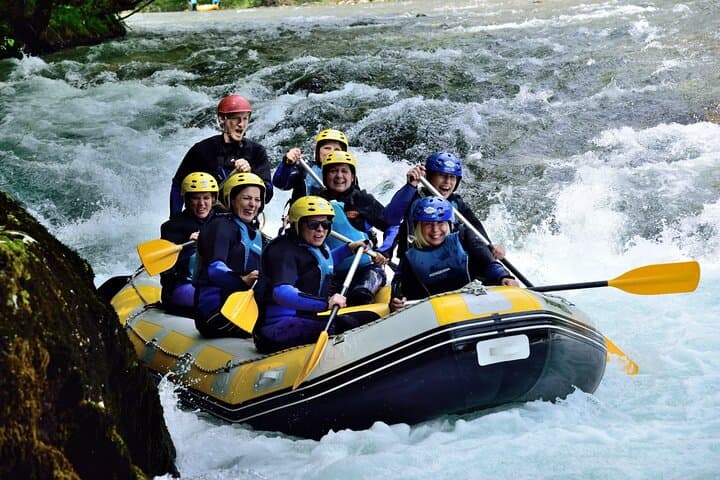
The river narrows and the forest leans in — a cool cut of water threading the Croatian highlands. Paddles dip, the guide calls left, and a swell lifts the raft. You’re on the upper Kupa, roughly 15 km from the source, moving through a gorge where steep, wooded slopes push the current and make each rapid feel immediate and alive.
Verified experiences and guided adventures in the surrounding area.
Operated by Kupa Sports White Water Adventure · Skrad, Primorje-Gorski Kotar
The river narrows and the forest leans in — a cool cut of water threading the Croatian highlands. Paddles dip, the guide calls left, and a swell lifts the raft. You’re on the upper Kupa, roughly 15 km from the source, moving through a gorge where steep, wooded slopes push the current and make each rapid feel immediate and alive.
This stretch sits in Gorski Kotar, a geologically young, karst-influenced landscape carved by rivers and glacial action; the Kupa’s clear blue reflects limestone and forest alike. Historically the region linked coastal Rijeka with inland Slovenia and Croatia, and rivers like the Kupa were trade and travel corridors. Local villages keep a pragmatic relationship with the water — fishing, seasonal foraging and small-scale tourism — and guides often share stories of past floods and forestry life as you float.
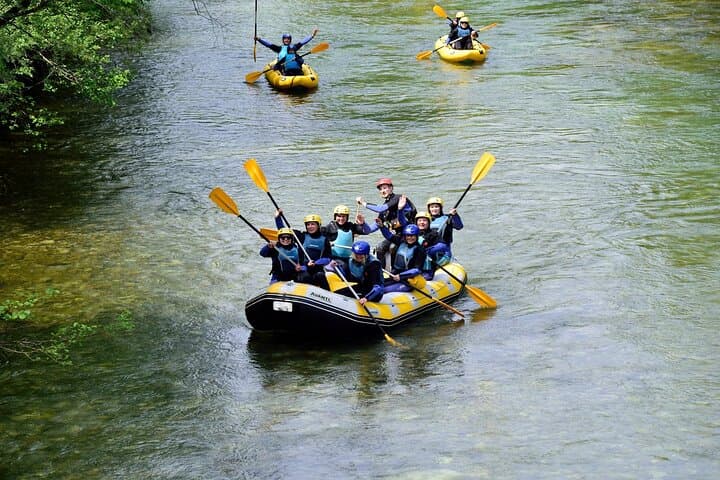
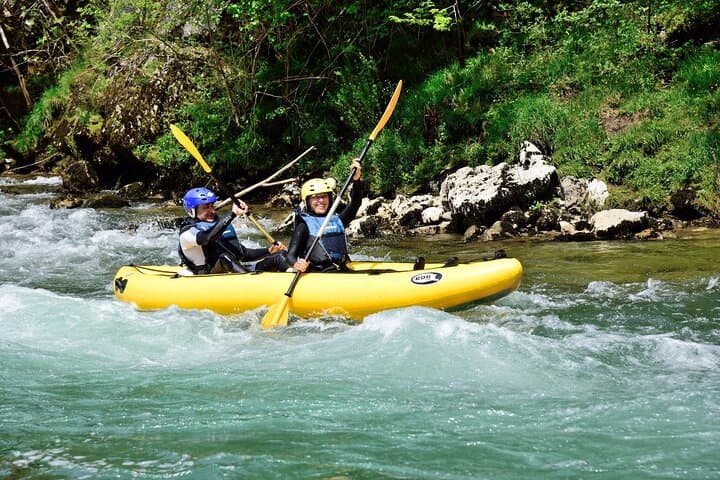
Expect 7–10 km (about 6 miles) of runnable water, mostly easy–moderate rapids that swell after rain. You’ll run in tandem kayaks (two or three-person) or larger 6–8 person rafts when levels rise; no prior experience is required. Guides set the line, a photographer captures key moves, and there’s usually a break for cliff jumping and a swim in a calmer pool.
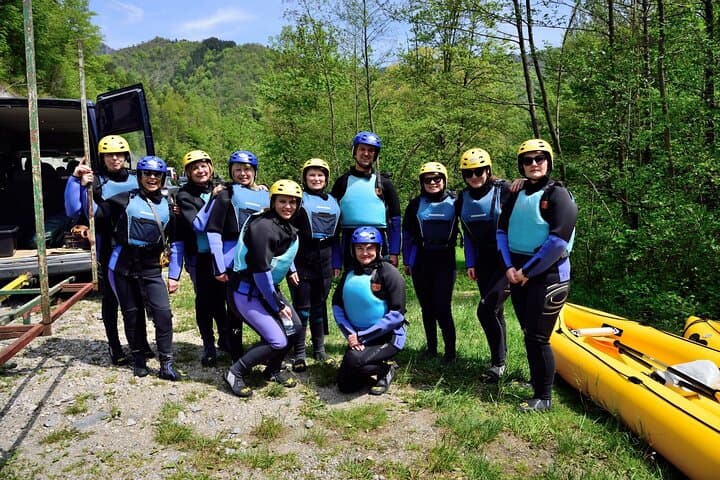
Practical tips: check recent rainfall before booking, arrive in quick-dry layers, and plan for a 3-hour window including transfers. Wear river shoes with good grip, secure valuables in dry boxes provided, and listen closely during the safety briefing — currents change quickly in spring and after storms.
moderate.
2–3 hours.
Suitable for people in normal physical condition who can climb in/out of boats and tolerate short swims.
No — guides provide instruction and choose stable tandem kayaks or rafts depending on water level, so beginners are welcome.
The typical run covers about 7–10 km (roughly 6 miles) and the activity lasts around three hours including transfers and breaks.
Operators collect age and weight info for safety; children can join with adults, but some limits apply for small children or extreme weights — check with the provider.
Trips run in most conditions but heavy rain and high water can change craft size (larger rafts) or lead to postponement for safety; they cancel for extreme weather with full refund if needed.
The Kupa has long connected coastal trade routes with inland highlands; settlements here grew around forestry and river transport.
Operators emphasize leave-no-trace river etiquette and use local guides to limit group impact; avoid soaps and dispose of waste at basecamp.
Kupa Sports White Water Adventure operates guided outdoor trips and adventures with an emphasis on safety, stewardship, and memorable experiences.
The river narrows and the forest leans in — a cool cut of water threading the Croatian highlands. Paddles dip, the guide calls left, and a swell lifts the raft. You’re on the upper Kupa, roughly 15 km from the source, moving through a gorge where steep, wooded slopes push the current and make each rapid feel immediate and alive.
The river narrows and the forest leans in — a cool cut of water threading the Croatian highlands. Paddles dip, the guide calls left, and a swell lifts the raft. You’re on the upper Kupa, roughly 15 km from the source, moving through a gorge where steep, wooded slopes push the current and make each rapid feel immediate and alive.
This stretch sits in Gorski Kotar, a geologically young, karst-influenced landscape carved by rivers and glacial action; the Kupa’s clear blue reflects limestone and forest alike. Historically the region linked coastal Rijeka with inland Slovenia and Croatia, and rivers like the Kupa were trade and travel corridors. Local villages keep a pragmatic relationship with the water — fishing, seasonal foraging and small-scale tourism — and guides often share stories of past floods and forestry life as you float.
Expect 7–10 km (about 6 miles) of runnable water, mostly easy–moderate rapids that swell after rain. You’ll run in tandem kayaks (two or three-person) or larger 6–8 person rafts when levels rise; no prior experience is required. Guides set the line, a photographer captures key moves, and there’s usually a break for cliff jumping and a swim in a calmer pool.
Practical tips: check recent rainfall before booking, arrive in quick-dry layers, and plan for a 3-hour window including transfers. Wear river shoes with good grip, secure valuables in dry boxes provided, and listen closely during the safety briefing — currents change quickly in spring and after storms.