THE ADVENTURE COLLECTIVE® · Independent discovery and booking for outdoor travel

See Luxor’s tombs, ride the Nile’s current to Aswan and watch Abu Simbel’s colossal faces catch dawn light — all with flights and private transfers included. This compact, guided two‑day loop packs Egypt’s Upper landmarks into an efficient cultural sprint.
See Luxor’s tombs, ride the Nile’s current to Aswan and watch Abu Simbel’s colossal faces catch dawn light — all with flights and private transfers included. This compact, guided two‑day loop packs Egypt’s Upper landmarks into an efficient cultural sprint.
You step off the plane into the dry, warm air of Upper Egypt and the Nile waits like a wide, slow ribbon, daring you to follow it upstream.
Verified experiences and guided adventures in the surrounding area.
Operated by Holiday in Egypt Travels · Luxor, Luxor Governorate
You step off the plane into the dry, warm air of Upper Egypt and the Nile waits like a wide, slow ribbon, daring you to follow it upstream.
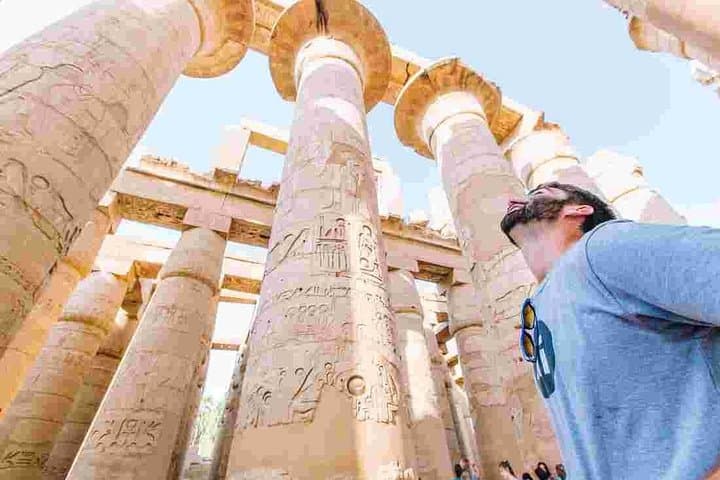
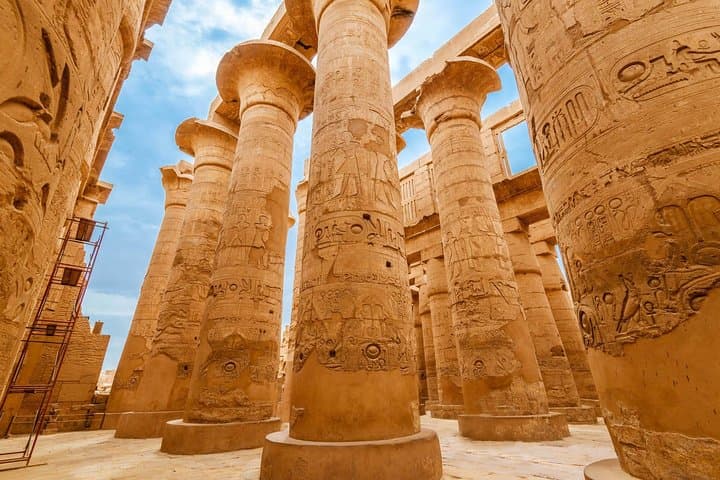
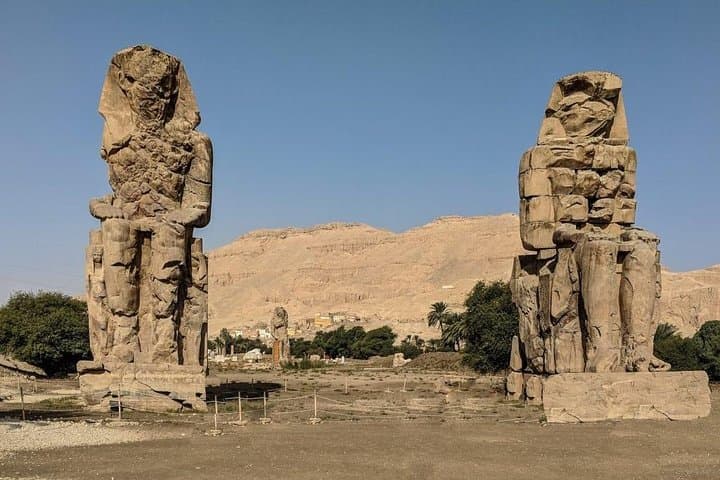
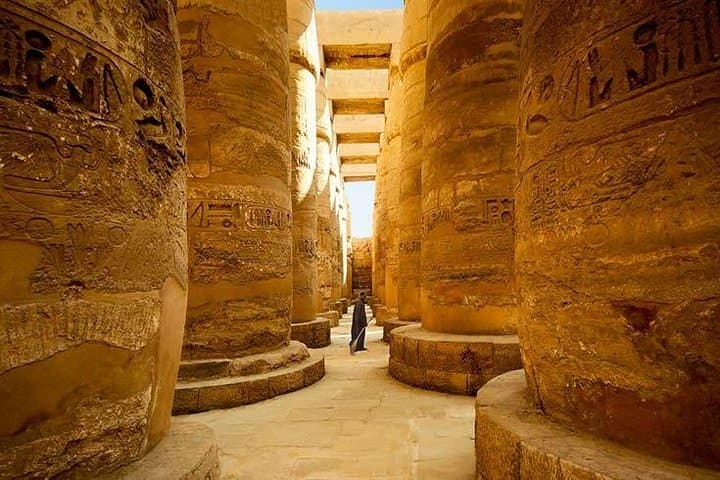
Over two days the landscape shifts: palm-fringed riverbanks give way to low, ochre desert and monuments that push through the sand. On day one the tour moves through Luxor’s West Bank—Valley of the Kings, Valley of the Queens and Hatshepsut’s cliff-side temple—sites cut into limestone and painted by millennia of sun. Karnak and Luxor Temples on the East Bank show the civic heart of ancient Thebes, columns and avenues that still direct the wind.
A late train or transfer carries you south to Aswan for an overnight at a local 3‑star hotel, with an early morning excursion to Abu Simbel on day two. The Abu Simbel temples—carved into sandstone and famously relocated above the High Dam’s reservoir in the 1960s—loom with the presence of Ramses II. Back in Aswan, the High Dam and Philae Temple offer a modern-engineering counterpoint to pharaonic ambition.
Practical guidance: the itinerary includes roundtrip flights between Cairo and Upper Egypt, private transfers, a professional guide and one night’s accommodation. Expect multiple short walks, exposed sun and steps at sites; plan for early starts to avoid heat and crowds. Bring a refillable water bottle, sun protection, comfortable walking shoes and a photocopy of your passport. Check visa requirements and keep small bills for site fees and local tips.
moderate.
2 days (48 hours).
Moderate fitness—able to walk several kilometers over uneven stone, manage stairs and brief hikes between sites.
Yes — roundtrip flights between Cairo and Upper Egypt, private transfers and airport meet-and-greet are included in this tour package.
Some logistical elements and guided visits are included, but entrance fees or special site permits (when applicable) may not be; bring cash and confirm with the operator before departure.
Abu Simbel is typically a roughly 3‑hour road transfer from Aswan each way for early morning visits; this itinerary includes the Abu Simbel visit as part of day two.
Expect moderate walking with stairs and uneven surfaces in tombs and temples—comfortable shoes and steady balance are recommended.
Upper Egypt holds pharaonic capitals and monumental projects—Abu Simbel was carved by Ramses II and later relocated during the Aswan High Dam project to save it from the rising reservoir.
The 1960s relocation at Abu Simbel is a landmark of heritage conservation; visitors should stick to paths, avoid touching reliefs and use local guides to minimize impact.
Holiday in Egypt Travels operates guided outdoor trips and adventures with an emphasis on safety, stewardship, and memorable experiences.
You step off the plane into the dry, warm air of Upper Egypt and the Nile waits like a wide, slow ribbon, daring you to follow it upstream.
You step off the plane into the dry, warm air of Upper Egypt and the Nile waits like a wide, slow ribbon, daring you to follow it upstream.
Over two days the landscape shifts: palm-fringed riverbanks give way to low, ochre desert and monuments that push through the sand. On day one the tour moves through Luxor’s West Bank—Valley of the Kings, Valley of the Queens and Hatshepsut’s cliff-side temple—sites cut into limestone and painted by millennia of sun. Karnak and Luxor Temples on the East Bank show the civic heart of ancient Thebes, columns and avenues that still direct the wind.
A late train or transfer carries you south to Aswan for an overnight at a local 3‑star hotel, with an early morning excursion to Abu Simbel on day two. The Abu Simbel temples—carved into sandstone and famously relocated above the High Dam’s reservoir in the 1960s—loom with the presence of Ramses II. Back in Aswan, the High Dam and Philae Temple offer a modern-engineering counterpoint to pharaonic ambition.
Practical guidance: the itinerary includes roundtrip flights between Cairo and Upper Egypt, private transfers, a professional guide and one night’s accommodation. Expect multiple short walks, exposed sun and steps at sites; plan for early starts to avoid heat and crowds. Bring a refillable water bottle, sun protection, comfortable walking shoes and a photocopy of your passport. Check visa requirements and keep small bills for site fees and local tips.