THE ADVENTURE COLLECTIVE® · Independent discovery and booking for outdoor travel

Ride a sleeping train into Upper Egypt’s sculpted cliffs and river rhythms. This multi-day loop links Aswan, Abu Simbel and Luxor with a dawn hot-air balloon and felucca sail—ideal for travelers who want archaeology, river time, and efficient overnight travel.
Ride a sleeping train into Upper Egypt’s sculpted cliffs and river rhythms. This multi-day loop links Aswan, Abu Simbel and Luxor with a dawn hot-air balloon and felucca sail—ideal for travelers who want archaeology, river time, and efficient overnight travel.
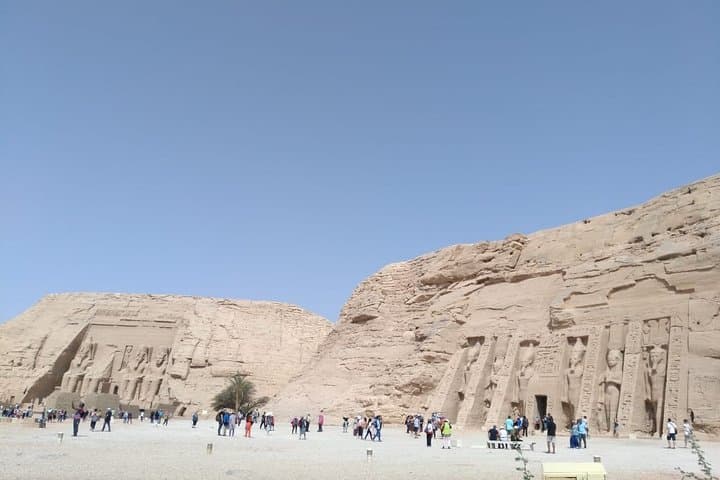
You step off the night train into a cool Aswan morning: Nile water gleams, market voices pull at the edges of sleep, and a low wind teases the date palms. This multi-day rail-and-road loop threads two of Upper Egypt’s great cities—Aswan and Luxor—into a compact itinerary that includes a felucca glide, the temple-island of Philae, the monumental rescue of Abu Simbel, and a dawn hot-air balloon over the Valley of the Kings.
Verified experiences and guided adventures in the surrounding area.
Operated by Special trips · Aswan, Aswan Governorate
You step off the night train into a cool Aswan morning: Nile water gleams, market voices pull at the edges of sleep, and a low wind teases the date palms. This multi-day rail-and-road loop threads two of Upper Egypt’s great cities—Aswan and Luxor—into a compact itinerary that includes a felucca glide, the temple-island of Philae, the monumental rescue of Abu Simbel, and a dawn hot-air balloon over the Valley of the Kings.
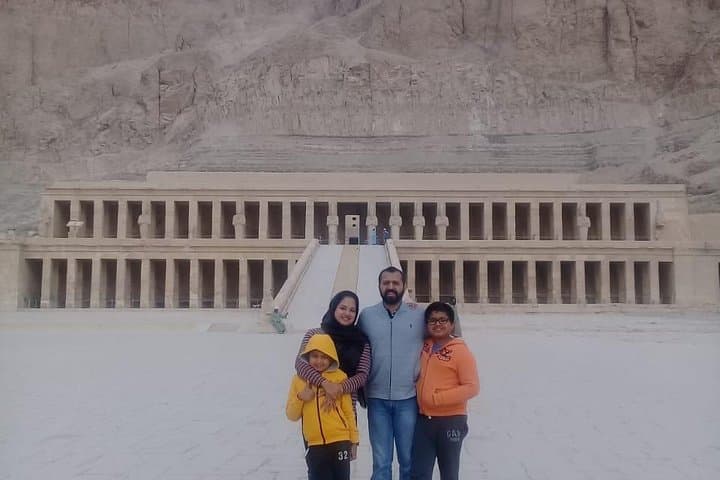
Pharaonic history is literal and present here: cliff-side tombs and colossi carved by kings still watch the river’s slow current. Geology shows itself in the pink granite quarries of Aswan and the limestone bands that cradle Luxor’s temples. Culturally, the route moves from Nubian markets and island gardens to the layered ritual spaces of Karnak and Luxor temples, each site guided by Egyptology-savvy interpreters.
Practically, expect early starts (Abu Simbel runs before sunrise), short motorboat crossings, and walking on uneven stone with intermittent shade. The sleeping train saves daytime travel but compresses rest; bring ear protection and a light daypack for temple visits. Hydration matters—the sun presses down by midmorning—so carry at least 1.5–2L water and sun protection. Footwear with good grip and a hat make long temple circuits easier.
Timing tip: balloon flights leave at dawn; book them early in your schedule in case of weather cancellations. Respect site rules, keep to marked paths, and budget time for markets if you want textiles or spices. This itinerary balances big-ticket archaeology with riverine moments and the kind of slow-motion travel where the Nile seems to decide your pace.
moderate.
4–5 days.
Light to moderate fitness; able to walk 2–4 miles across uneven ground and tolerate early mornings and stairs in tombs.
Most tours leave around 3–5 AM from Aswan to reach Abu Simbel before mid-morning heat and crowds.
Operators follow safety checks and fly at dawn when winds are light; choose licensed providers and confirm weight/age restrictions on booking.
This packaged tour typically includes guided visits to listed sites; check the itinerary for specific admission inclusions and any optional extras.
Yes—this itinerary includes pick-up and return to Cairo by sleeping train with transfers, but confirm pickup location when booking.
Abu Simbel and many sites on this route date to the New Kingdom; Abu Simbel was relocated in the 1960s to avoid flooding after the Aswan High Dam was built.
Large visitor numbers pressure fragile sites; follow rope lines, avoid flash photography in tombs, and opt for licensed operators who support site preservation.
Special trips operates guided outdoor trips and adventures with an emphasis on safety, stewardship, and memorable experiences.
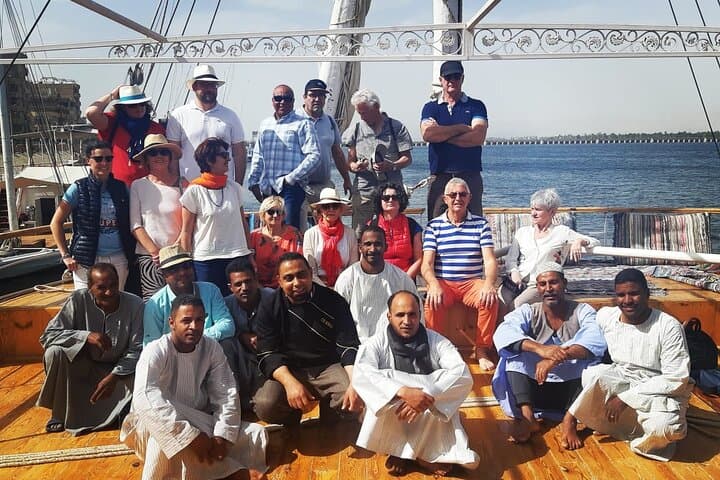
You step off the night train into a cool Aswan morning: Nile water gleams, market voices pull at the edges of sleep, and a low wind teases the date palms. This multi-day rail-and-road loop threads two of Upper Egypt’s great cities—Aswan and Luxor—into a compact itinerary that includes a felucca glide, the temple-island of Philae, the monumental rescue of Abu Simbel, and a dawn hot-air balloon over the Valley of the Kings.
You step off the night train into a cool Aswan morning: Nile water gleams, market voices pull at the edges of sleep, and a low wind teases the date palms. This multi-day rail-and-road loop threads two of Upper Egypt’s great cities—Aswan and Luxor—into a compact itinerary that includes a felucca glide, the temple-island of Philae, the monumental rescue of Abu Simbel, and a dawn hot-air balloon over the Valley of the Kings.
Pharaonic history is literal and present here: cliff-side tombs and colossi carved by kings still watch the river’s slow current. Geology shows itself in the pink granite quarries of Aswan and the limestone bands that cradle Luxor’s temples. Culturally, the route moves from Nubian markets and island gardens to the layered ritual spaces of Karnak and Luxor temples, each site guided by Egyptology-savvy interpreters.
Practically, expect early starts (Abu Simbel runs before sunrise), short motorboat crossings, and walking on uneven stone with intermittent shade. The sleeping train saves daytime travel but compresses rest; bring ear protection and a light daypack for temple visits. Hydration matters—the sun presses down by midmorning—so carry at least 1.5–2L water and sun protection. Footwear with good grip and a hat make long temple circuits easier.
Timing tip: balloon flights leave at dawn; book them early in your schedule in case of weather cancellations. Respect site rules, keep to marked paths, and budget time for markets if you want textiles or spices. This itinerary balances big-ticket archaeology with riverine moments and the kind of slow-motion travel where the Nile seems to decide your pace.