THE ADVENTURE COLLECTIVE® · Independent discovery and booking for outdoor travel

An austere, high-altitude trek through Shey-Phoksundo National Park, the Upper Dolpo Trek links remote villages, high passes, and the luminous Phoksundo Lake. Expect long days, required permits, and authentic Tibetan-influenced culture.
An austere, high-altitude trek through Shey-Phoksundo National Park, the Upper Dolpo Trek links remote villages, high passes, and the luminous Phoksundo Lake. Expect long days, required permits, and authentic Tibetan-influenced culture.
The trail opens on a thin ribbon of dust and rock that climbs out of Juphal, the wind already sizing you up as it pushes through juniper and rhododendron. Snow-streaked ridges close in as you gain elevation, and the landscape tightens from terraced fields into crag and moraine. By the time Phoksundo Lake appears—impossibly turquoise beneath a fluted cliff—Dolpo has made itself distinct: spare, high, and quietly demanding.
Verified experiences and guided adventures in the surrounding area.
Operated by Nepal Kailash Trekking · Dunai, Karnali Province
The trail opens on a thin ribbon of dust and rock that climbs out of Juphal, the wind already sizing you up as it pushes through juniper and rhododendron. Snow-streaked ridges close in as you gain elevation, and the landscape tightens from terraced fields into crag and moraine. By the time Phoksundo Lake appears—impossibly turquoise beneath a fluted cliff—Dolpo has made itself distinct: spare, high, and quietly demanding.
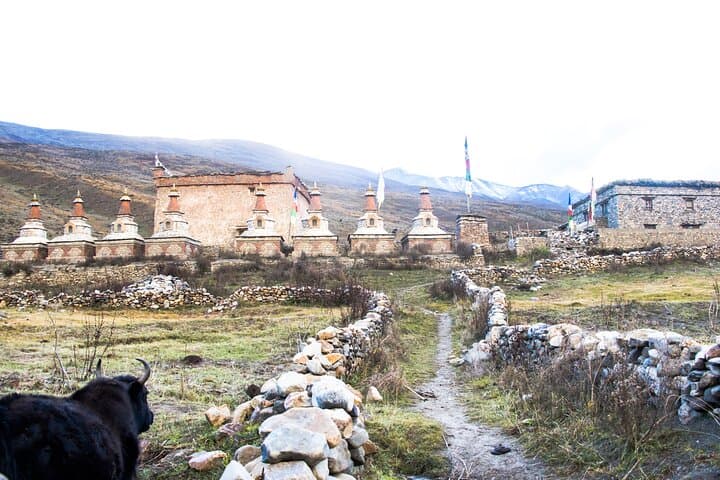
Geologically, the region is a collision zone—folded rock, glacial cirques, and cold lakes formed by retreating ice. Culturally, Upper Dolpo sits on old trans-Himalayan trade routes; villages keep Tibetan language, prayer flags, and centuries-old gompas. Shey-Phoksundo National Park protects rare alpine habitat and traditional lifestyles that weathered isolation for generations.
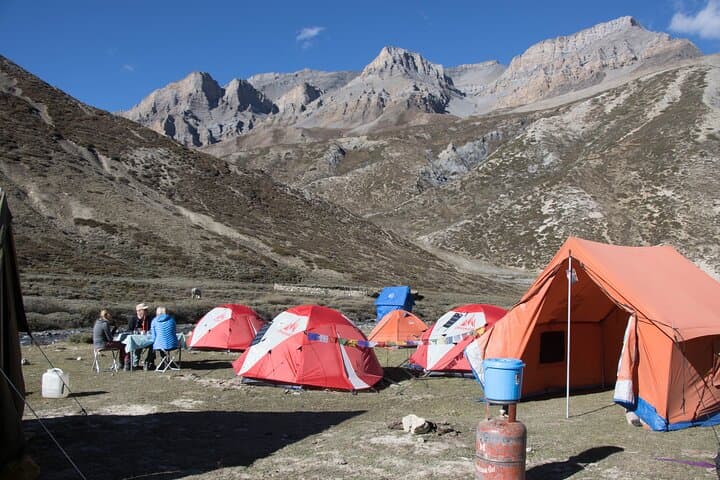
Expect long, steep days (several 6–8 hour walking stretches), high passes above 5,000 m, and remote camping. Trails are rough and sometimes indistinct; porters and mules are commonly used. Weather swings quickly—sunlight can feel intense at altitude, while nights drop well below freezing even in summer. Permits are mandatory and logistics—air access to Juphal, local guides, and acclimatization schedules—shape the itinerary as much as the trail.
Practical guidance: build multi-day acclimatization into your plan, carry layered insulation and a sleeping bag rated for sub-zero temps, and plan for resupply limits—food is handled by operators, but bring high-calorie snacks. Hydrate deliberately; treat all surface water. Respect local customs at villages and gompas: photograph with permission and avoid loud behavior. This is a trek that rewards patience and preparation with vast, uncompromising alpine scenery.
challenging.
20–25 days.
Requires very good cardiovascular fitness and experience with multiday high-altitude trekking; able to hike 6–8 hours on uneven terrain carrying a daypack.
Yes—Upper Dolpo lies in a restricted area; trekkers require a special Dolpo permit in addition to the standard national park permits, arranged before arrival.
Spring (April–May) and fall (September–October) offer the most stable weather and clearer views; summers bring some rain and winter is very cold with heavy snow on passes.
Very remote—medical evacuation is limited, often requiring helicopter access from Juphal; operators typically include contingency plans and guides trained in evacuation procedures.
Strongly recommended—while technical climbing isn’t required, previous multiday treks above 4,000 m and good acclimatization practices are important for safety.
Upper Dolpo was part of old Tibetan trade corridors; monasteries and village customs reflect centuries of trans-Himalayan exchange and salt caravan history.
Shey-Phoksundo National Park protects fragile alpine ecosystems and cultural landscapes—minimize impact, carry out waste, and follow local guidelines to preserve trails and sacred sites.
Nepal Kailash Trekking operates guided outdoor trips and adventures with an emphasis on safety, stewardship, and memorable experiences.
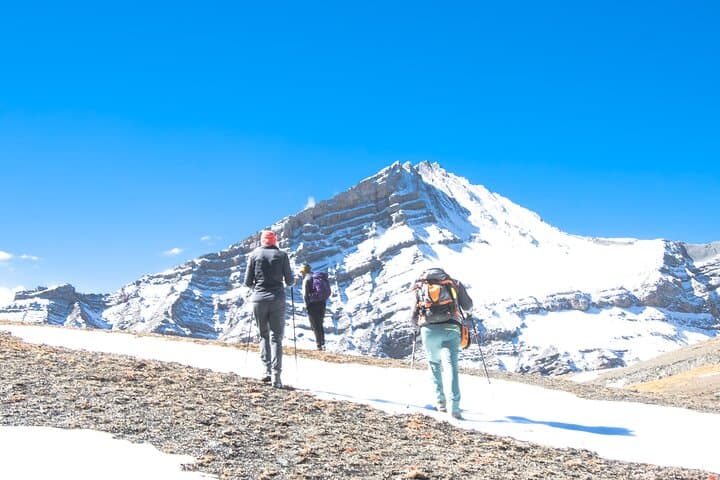
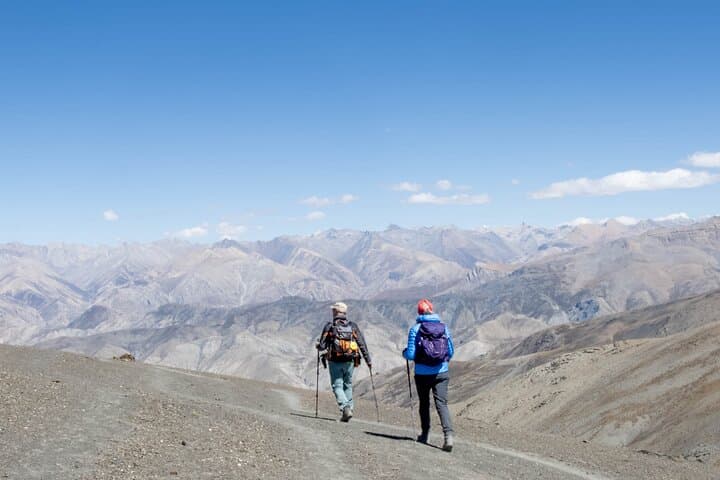
The trail opens on a thin ribbon of dust and rock that climbs out of Juphal, the wind already sizing you up as it pushes through juniper and rhododendron. Snow-streaked ridges close in as you gain elevation, and the landscape tightens from terraced fields into crag and moraine. By the time Phoksundo Lake appears—impossibly turquoise beneath a fluted cliff—Dolpo has made itself distinct: spare, high, and quietly demanding.
The trail opens on a thin ribbon of dust and rock that climbs out of Juphal, the wind already sizing you up as it pushes through juniper and rhododendron. Snow-streaked ridges close in as you gain elevation, and the landscape tightens from terraced fields into crag and moraine. By the time Phoksundo Lake appears—impossibly turquoise beneath a fluted cliff—Dolpo has made itself distinct: spare, high, and quietly demanding.
Geologically, the region is a collision zone—folded rock, glacial cirques, and cold lakes formed by retreating ice. Culturally, Upper Dolpo sits on old trans-Himalayan trade routes; villages keep Tibetan language, prayer flags, and centuries-old gompas. Shey-Phoksundo National Park protects rare alpine habitat and traditional lifestyles that weathered isolation for generations.
Expect long, steep days (several 6–8 hour walking stretches), high passes above 5,000 m, and remote camping. Trails are rough and sometimes indistinct; porters and mules are commonly used. Weather swings quickly—sunlight can feel intense at altitude, while nights drop well below freezing even in summer. Permits are mandatory and logistics—air access to Juphal, local guides, and acclimatization schedules—shape the itinerary as much as the trail.
Practical guidance: build multi-day acclimatization into your plan, carry layered insulation and a sleeping bag rated for sub-zero temps, and plan for resupply limits—food is handled by operators, but bring high-calorie snacks. Hydrate deliberately; treat all surface water. Respect local customs at villages and gompas: photograph with permission and avoid loud behavior. This is a trek that rewards patience and preparation with vast, uncompromising alpine scenery.