THE ADVENTURE COLLECTIVE® · Independent discovery and booking for outdoor travel

Drive and walk through Upper Carniola’s medieval towns, WWII memorials, and historic iron-forging settlements on a personalized six-hour tour. Expect castle battlements, cobbled streets, and guided context on partisan history and metalworking traditions.
Drive and walk through Upper Carniola’s medieval towns, WWII memorials, and historic iron-forging settlements on a personalized six-hour tour. Expect castle battlements, cobbled streets, and guided context on partisan history and metalworking traditions.
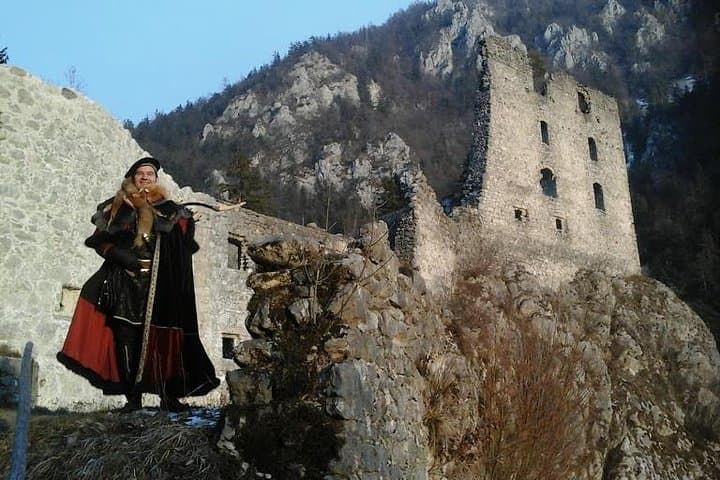
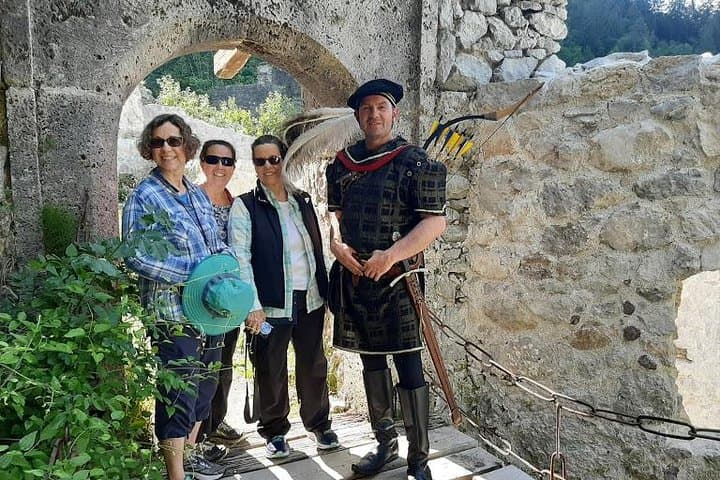
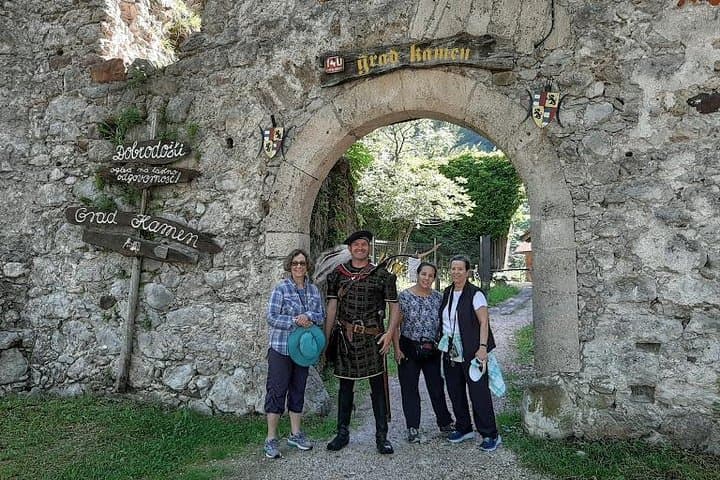
A late-morning sun slides across the Julian Alps as a small convoy leaves Bled’s Hotel Kompas, engines murmuring and boots tapping on stone. The road threads through folded hills toward Castle Kamen, its walls holding the hush of medieval strategists and the clink of armor imagined by visitors in period dress.
Verified experiences and guided adventures in the surrounding area.
Operated by MEDIEVAL WORLD: lectures on the culture of the middle ages, castle tours · Bled, Upper Carniola (Gorenjska)
A late-morning sun slides across the Julian Alps as a small convoy leaves Bled’s Hotel Kompas, engines murmuring and boots tapping on stone. The road threads through folded hills toward Castle Kamen, its walls holding the hush of medieval strategists and the clink of armor imagined by visitors in period dress.
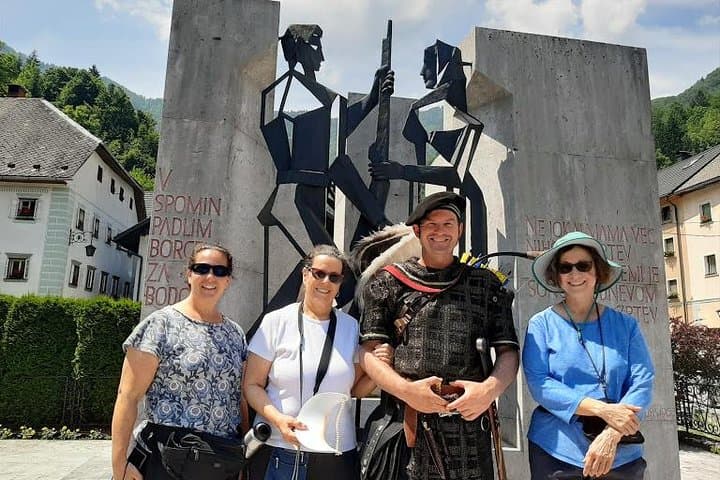
The six-hour driving-and-walking loop stitches together late Gothic and early Renaissance architecture, wartime memory, and centuries-old metalworking. Begunje na Gorenjskem manor displays monuments to the Slovene Partisan movement—an organized resistance with tragic reprisals under occupying forces—while Radovljica’s compact medieval core preserves market streets and carved façades that reveal Central Europe’s urban craft traditions.
Downstream at Kropa, the town’s stream pushes the old forges to life in the mind: an iron-working landscape shaped by local ore, woodland fuel and fast water, once producing hundreds of nail types exported across Europe. Kamna Gorica’s stone lanes and Kamen Castle’s battlements add topographic variety; the route balances short historical walks with scenic drives that showcase Upper Carniola’s limestone folds and mixed beech-spruce forests.
Practical note: clients must supply their own vehicle; the guide can accompany in a secondary car. Expect mostly paved roads, short cobbled streets, and multiple short hikes of 10–30 minutes each. Wear stable walking shoes, dress in layered weatherproofs (the region’s weather can shift fast), and allow time for respectful visits at memorials and local museums. Photography is rewarding—early light favors stonework and valley views—and modest pacing makes the day both enriching and manageable.
moderate.
6 hours.
Moderate fitness—able to walk short distances (10–30 minutes) over uneven cobbles and brief inclines throughout the day.
Yes—clients must supply their own vehicle; the guide can accompany the group in a secondary car if required.
Admissions are not consistently included—some stops include external visits while others are walk-throughs; check with the operator in advance for specific museum access.
The tour involves cobbled streets, short stairways and uneven surfaces; it is not recommended for travelers with significant spinal, heart, or mobility restrictions.
Language options depend on the guide—confirm the preferred language when booking to ensure availability.
Upper Carniola’s towns reflect late medieval and early Renaissance urban planning; Kropa’s ironworking dates to the Middle Ages, while many sites preserve memory of the Slovene Partisan movement during WWII.
Visitors should stick to marked paths and avoid touching historic metalwork or gravestones; local municipalities manage preservation efforts and ask travelers to minimize litter and refrain from removing artifacts.
MEDIEVAL WORLD: lectures on the culture of the middle ages, castle tours operates guided outdoor trips and adventures with an emphasis on safety, stewardship, and memorable experiences.
A late-morning sun slides across the Julian Alps as a small convoy leaves Bled’s Hotel Kompas, engines murmuring and boots tapping on stone. The road threads through folded hills toward Castle Kamen, its walls holding the hush of medieval strategists and the clink of armor imagined by visitors in period dress.
A late-morning sun slides across the Julian Alps as a small convoy leaves Bled’s Hotel Kompas, engines murmuring and boots tapping on stone. The road threads through folded hills toward Castle Kamen, its walls holding the hush of medieval strategists and the clink of armor imagined by visitors in period dress.
The six-hour driving-and-walking loop stitches together late Gothic and early Renaissance architecture, wartime memory, and centuries-old metalworking. Begunje na Gorenjskem manor displays monuments to the Slovene Partisan movement—an organized resistance with tragic reprisals under occupying forces—while Radovljica’s compact medieval core preserves market streets and carved façades that reveal Central Europe’s urban craft traditions.
Downstream at Kropa, the town’s stream pushes the old forges to life in the mind: an iron-working landscape shaped by local ore, woodland fuel and fast water, once producing hundreds of nail types exported across Europe. Kamna Gorica’s stone lanes and Kamen Castle’s battlements add topographic variety; the route balances short historical walks with scenic drives that showcase Upper Carniola’s limestone folds and mixed beech-spruce forests.
Practical note: clients must supply their own vehicle; the guide can accompany in a secondary car. Expect mostly paved roads, short cobbled streets, and multiple short hikes of 10–30 minutes each. Wear stable walking shoes, dress in layered weatherproofs (the region’s weather can shift fast), and allow time for respectful visits at memorials and local museums. Photography is rewarding—early light favors stonework and valley views—and modest pacing makes the day both enriching and manageable.