THE ADVENTURE COLLECTIVE® · Independent discovery and booking for outdoor travel

Three days of cold, canyon-bound rafting on the Budhi Gandaki deliver big rapids, sandy beach camps, and close-up Himalayan scenery. Expect two full days of intense paddling, evenings around campfires, and river-guided logistics from Kathmandu.
Three days of cold, canyon-bound rafting on the Budhi Gandaki deliver big rapids, sandy beach camps, and close-up Himalayan scenery. Expect two full days of intense paddling, evenings around campfires, and river-guided logistics from Kathmandu.
The river opens like a challenge: cold, fast water threading through steep, terraced hills as plunging cliffs push the current along. On the first morning you leave Kathmandu’s hum and drive into the Gandaki valleys, passing stone houses and prayer flags until the canyon narrows and the Budhi Gandaki begins to roar. Nights are on broad sandy beaches where campfires throw heat into thin mountain air and the river keeps time.
Verified experiences and guided adventures in the surrounding area.
Operated by Best Adventure Nepal · Arughat, Gandaki Province
The river opens like a challenge: cold, fast water threading through steep, terraced hills as plunging cliffs push the current along. On the first morning you leave Kathmandu’s hum and drive into the Gandaki valleys, passing stone houses and prayer flags until the canyon narrows and the Budhi Gandaki begins to roar. Nights are on broad sandy beaches where campfires throw heat into thin mountain air and the river keeps time.
Geologically, the Budhi Gandaki drains the eastern slopes of Manaslu and the Ganesh Himal, carving deep gorges through young Himalaya rock. Culturally the route runs past traditional Nepali villages—Gurung and Magar communities that farm the valley and still use river flats for grazing and seasonal markets. Wildlife edges the water: kingfishers and the occasional rhesus macaque share the riparian fringe with migrating birds.
Practically, expect two big days of rapids and one gentler half-day to finish at the main camp. Water is cold year-round; guides outfit paddlers with safety gear and lead through technical sections. Bring a warm base layer, secure footwear, and a dry bag for phones. Hydrate before and after long paddling stretches; sun at high elevation is stronger than it feels. Sleep systems are simple—camping on sand with meals provided—so a good sleeping bag and a sense of adaptability are musts. If you have spinal, cardiac, or pregnancy concerns, this trip is not advised.
This is a wild, short expedition: dramatic canyon walls, sustained whitewater, and evenings spent trading stories by the fire—an efficient, immersive taste of Nepal’s river country.
challenging.
3 days.
Participants should have moderate to good fitness — able to handle full days of paddling, scrambling on riverbanks, and camping.
The river is glacier-fed and stays cold year-round; expect near-freezing inputs from snowmelt in spring—thermal layers are recommended.
No prior experience is required, but you should be comfortable swimming and following safety instructions; guides navigate technical rapids.
The drive typically begins near Kathmandu toward Arhet/upper Budhi Gandaki; the run finishes at a riverside camp where operators handle pickup logistics back to the road.
Yes—meals (breakfast, lunch, dinner) and camping equipment are included; bring personal sleeping bag certified for mountain nights.
The Budhi Gandaki cuts through traditional Gurung and Magar communities and follows routes long used for local trade and seasonal movement between hill settlements.
The river corridor remains relatively undeveloped; practice leave-no-trace camping and support operators who manage waste and respect local lands.
Best Adventure Nepal operates guided outdoor trips and adventures with an emphasis on safety, stewardship, and memorable experiences.
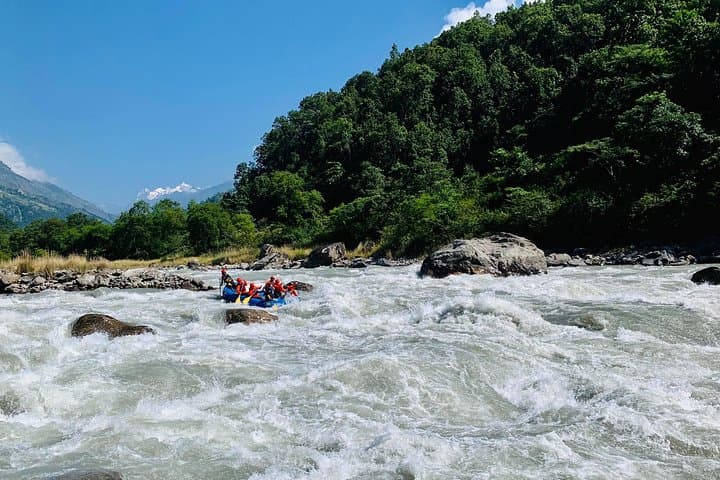
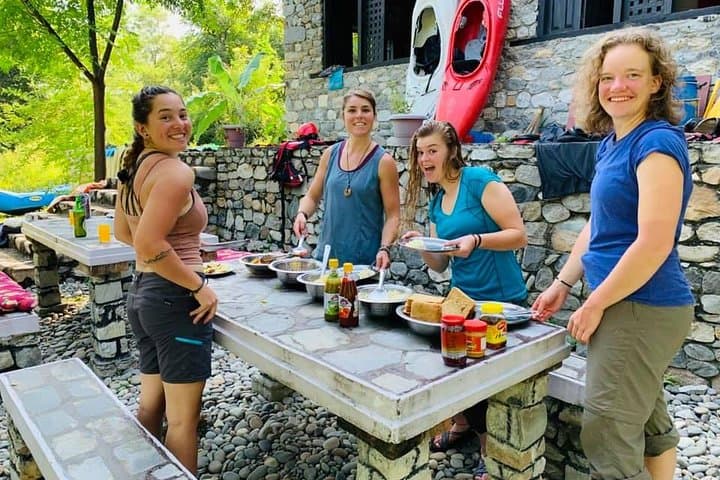
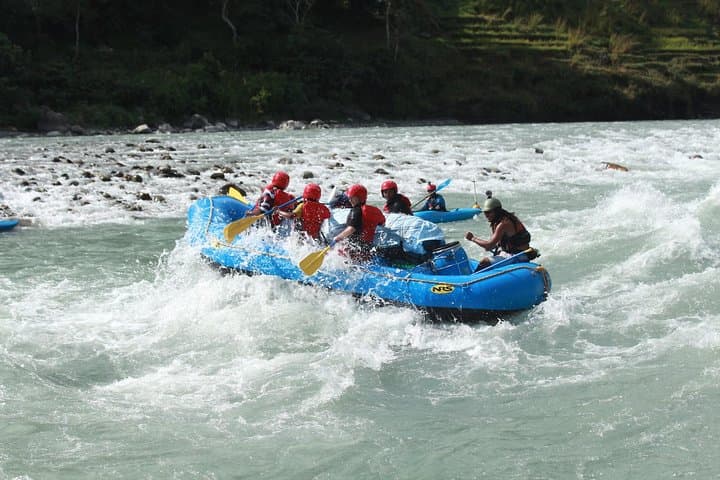
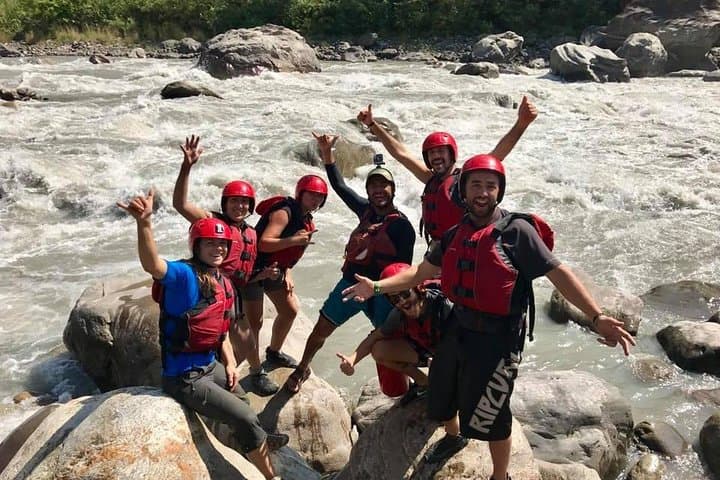
The river opens like a challenge: cold, fast water threading through steep, terraced hills as plunging cliffs push the current along. On the first morning you leave Kathmandu’s hum and drive into the Gandaki valleys, passing stone houses and prayer flags until the canyon narrows and the Budhi Gandaki begins to roar. Nights are on broad sandy beaches where campfires throw heat into thin mountain air and the river keeps time.
The river opens like a challenge: cold, fast water threading through steep, terraced hills as plunging cliffs push the current along. On the first morning you leave Kathmandu’s hum and drive into the Gandaki valleys, passing stone houses and prayer flags until the canyon narrows and the Budhi Gandaki begins to roar. Nights are on broad sandy beaches where campfires throw heat into thin mountain air and the river keeps time.
Geologically, the Budhi Gandaki drains the eastern slopes of Manaslu and the Ganesh Himal, carving deep gorges through young Himalaya rock. Culturally the route runs past traditional Nepali villages—Gurung and Magar communities that farm the valley and still use river flats for grazing and seasonal markets. Wildlife edges the water: kingfishers and the occasional rhesus macaque share the riparian fringe with migrating birds.
Practically, expect two big days of rapids and one gentler half-day to finish at the main camp. Water is cold year-round; guides outfit paddlers with safety gear and lead through technical sections. Bring a warm base layer, secure footwear, and a dry bag for phones. Hydrate before and after long paddling stretches; sun at high elevation is stronger than it feels. Sleep systems are simple—camping on sand with meals provided—so a good sleeping bag and a sense of adaptability are musts. If you have spinal, cardiac, or pregnancy concerns, this trip is not advised.
This is a wild, short expedition: dramatic canyon walls, sustained whitewater, and evenings spent trading stories by the fire—an efficient, immersive taste of Nepal’s river country.