THE ADVENTURE COLLECTIVE® · Independent discovery and booking for outdoor travel

Walk the narrow corridors of Upper Antelope Canyon with a Navajo guide and witness sun shafts carve through sculpted sandstone. This short, managed tour rewards visitors with intense light-and-shadow compositions — here’s what to expect and how to plan.
Walk the narrow corridors of Upper Antelope Canyon with a Navajo guide and witness sun shafts carve through sculpted sandstone. This short, managed tour rewards visitors with intense light-and-shadow compositions — here’s what to expect and how to plan.
You step through a narrow mouth of Navajo sandstone and the canyon inhales light; shafts drop from the rim in public shafts that spotlight the flowing walls. The passage is tight, the floor soft with sand, and the walls curve like water frozen midstream — each bend refracts color from warm ochre to cool lavender.
Verified experiences and guided adventures in the surrounding area.
Operated by Scenic Bend · Page, Arizona
You step through a narrow mouth of Navajo sandstone and the canyon inhales light; shafts drop from the rim in public shafts that spotlight the flowing walls. The passage is tight, the floor soft with sand, and the walls curve like water frozen midstream — each bend refracts color from warm ochre to cool lavender.
The Navajo call this place Tse' bighánílíní — "the place where water runs through rocks." Carved over millions of years by flash floods working through Navajo Sandstone, Upper Antelope Canyon is a classic slot system with smooth, undulating walls and vertical openings that create dramatic light beams, especially in late spring and summer midday. The canyon sits on Navajo Nation land near Page, Arizona, and visits are run exclusively by Navajo guides, who share cultural context while managing fragile terrain.
Tours are short — typically 60–120 minutes — and strictly managed: small windows, no tripods or large bags, and specific photo station timing to keep flows moving. Expect close-quarters walking, brief pauses to photograph signature scenes, and clear instructions from guides about where to stand and how long to linger.
Practical notes: arrive 45–60 minutes early to redeem tickets at the start point on Hwy 98, bring your own water (no services inside the canyon), wear grippy closed-toe shoes for sandy, uneven footing, and plan around mid-morning to early afternoon light for the best beams. Respect Navajo rules: stay with your guide, pack out trash, and keep movement steady so everyone can enjoy the canyon’s light and texture.
easy.
1–2 hours.
Suitable for most visitors who can walk on uneven ground and stand for short periods; not strenuous but involves narrow passages and sandy footing.
No — tripods, monopods and selfie sticks are prohibited to protect the canyon and keep visitor flow moving.
Light shafts are strongest late spring through summer around late morning to early afternoon when the sun is high and drops directly through the openings above.
Upper Antelope Canyon involves narrow, sandy passages and is not wheelchair accessible; contact tour suppliers for possible alternatives or accommodations run by Navajo guides.
All sales are final for this ticket; refunds are not available unless the supplier cancels due to weather or other operational reasons.
Upper Antelope Canyon sits on Navajo Nation land and is traditionally known as Tse' bighánílíní; modern access is managed by Navajo guides who hold cultural and land stewardship roles.
Visitor numbers are limited and guided access helps protect fragile sandstone; obey rules, avoid touching carved walls, and pack out all trash to reduce impact.
Scenic Bend operates guided outdoor trips and adventures with an emphasis on safety, stewardship, and memorable experiences.
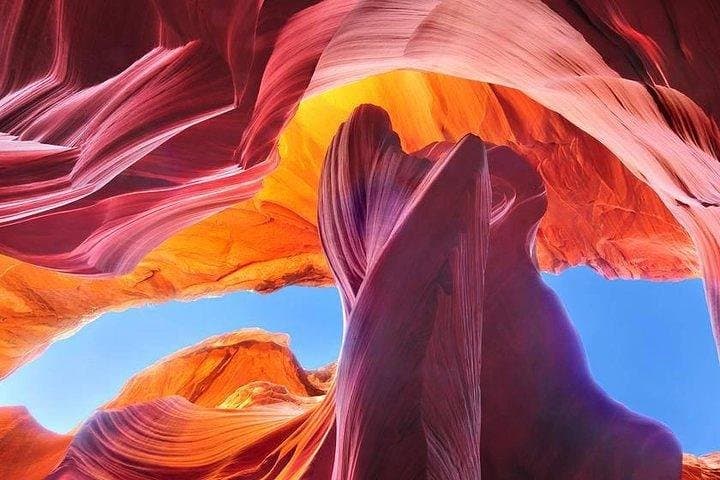
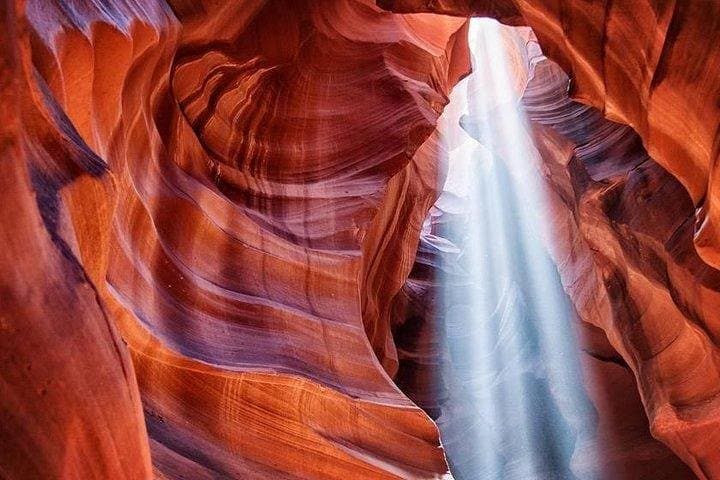
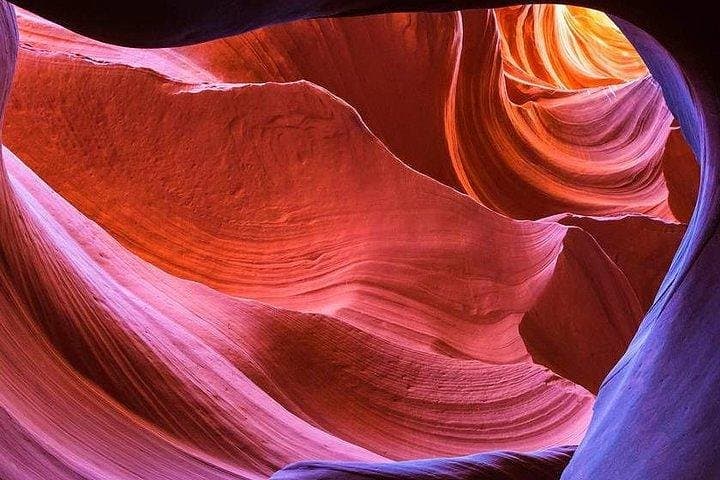
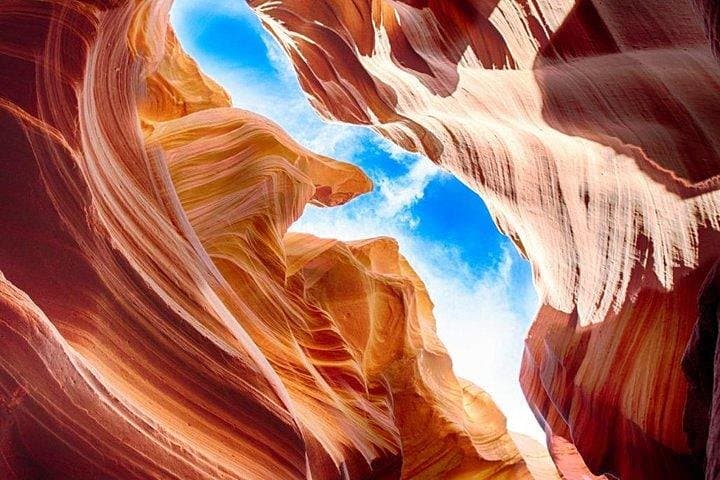
You step through a narrow mouth of Navajo sandstone and the canyon inhales light; shafts drop from the rim in public shafts that spotlight the flowing walls. The passage is tight, the floor soft with sand, and the walls curve like water frozen midstream — each bend refracts color from warm ochre to cool lavender.
You step through a narrow mouth of Navajo sandstone and the canyon inhales light; shafts drop from the rim in public shafts that spotlight the flowing walls. The passage is tight, the floor soft with sand, and the walls curve like water frozen midstream — each bend refracts color from warm ochre to cool lavender.
The Navajo call this place Tse' bighánílíní — "the place where water runs through rocks." Carved over millions of years by flash floods working through Navajo Sandstone, Upper Antelope Canyon is a classic slot system with smooth, undulating walls and vertical openings that create dramatic light beams, especially in late spring and summer midday. The canyon sits on Navajo Nation land near Page, Arizona, and visits are run exclusively by Navajo guides, who share cultural context while managing fragile terrain.
Tours are short — typically 60–120 minutes — and strictly managed: small windows, no tripods or large bags, and specific photo station timing to keep flows moving. Expect close-quarters walking, brief pauses to photograph signature scenes, and clear instructions from guides about where to stand and how long to linger.
Practical notes: arrive 45–60 minutes early to redeem tickets at the start point on Hwy 98, bring your own water (no services inside the canyon), wear grippy closed-toe shoes for sandy, uneven footing, and plan around mid-morning to early afternoon light for the best beams. Respect Navajo rules: stay with your guide, pack out trash, and keep movement steady so everyone can enjoy the canyon’s light and texture.