THE ADVENTURE COLLECTIVE® · Independent discovery and booking for outdoor travel

A long-day tour from Las Vegas that pairs the slot-canyon drama of Upper Antelope Canyon with the vertiginous sweep of Horseshoe Bend. Expect a 15‑hour day, Navajo-guided access, and rules about bags and tripods—bring sun protection and a light pack.
A long-day tour from Las Vegas that pairs the slot-canyon drama of Upper Antelope Canyon with the vertiginous sweep of Horseshoe Bend. Expect a 15‑hour day, Navajo-guided access, and rules about bags and tripods—bring sun protection and a light pack.
The day begins before sunrise on the Las Vegas Strip: a bus filled with passengers, coffee cups and camera straps rolls east across the desert, the neon retreating as sandstone grows taller on the horizon. By midmorning you’re standing at the rim of Horseshoe Bend, wind pushing at your jacket as the Colorado River cuts a perfect horseshoe a thousand feet below — an instant that rearranges your sense of scale.
Verified experiences and guided adventures in the surrounding area.
Operated by National Park Express · Page, Arizona
The day begins before sunrise on the Las Vegas Strip: a bus filled with passengers, coffee cups and camera straps rolls east across the desert, the neon retreating as sandstone grows taller on the horizon. By midmorning you’re standing at the rim of Horseshoe Bend, wind pushing at your jacket as the Colorado River cuts a perfect horseshoe a thousand feet below — an instant that rearranges your sense of scale.
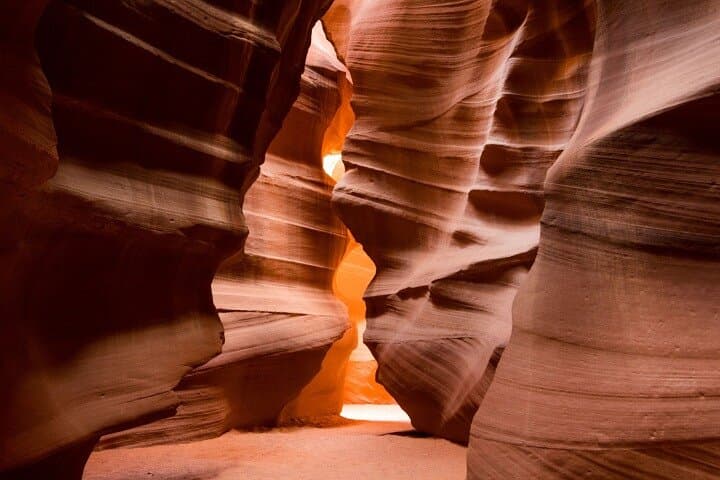
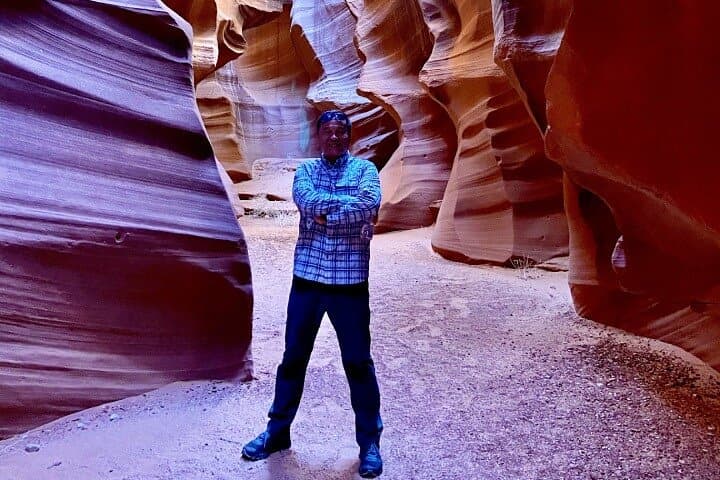
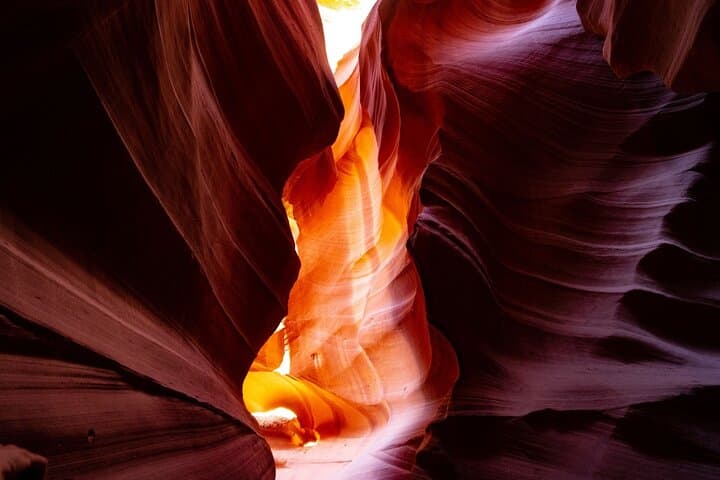
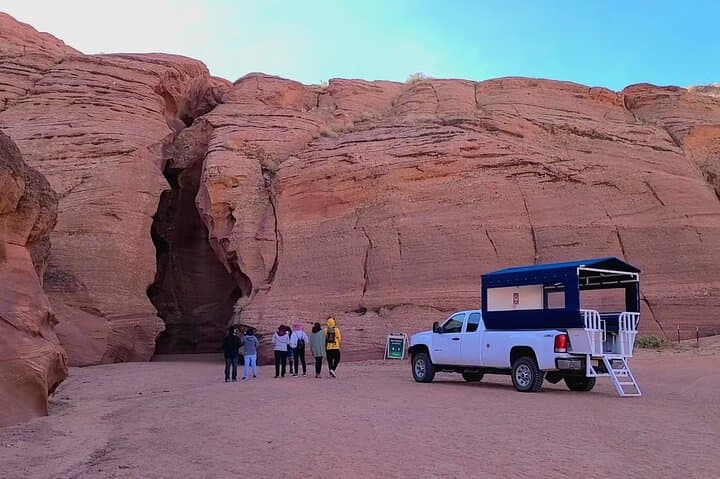
Later, a Navajo guide leads the group into Upper Antelope Canyon, a narrow corridor of Navajo sandstone where light becomes a material. Sunlight slips through a thin opening above and paints the undulating walls in bands of gold, copper, and rose. You move with the rhythm of the canyon: slow where the floor narrows, quick where the guide signals a window of light.
The geology is straightforward and dramatic. Antelope Canyon is a slot canyon carved by flash floods pounding through soft Jurassic Navajo sandstone; its sculpted walls are the result of repeated erosion and wind polishing. Horseshoe Bend is a product of long river meandering, the Colorado’s patient work over millions of years creating the 280-degree bend and sheer cliff faces visitors now photograph from the rim. Both sites sit on or near Navajo Nation land, and the guided access to Antelope Canyon is managed through Navajo Parks — the guides are not just escorts but interpreters of landscape and culture.
Practicalities shape the experience as much as scenery. The tour is a long day — expect about 15 hours total from Las Vegas, much of it driving though scenic stretches like the Virgin River Gorge and views of Lake Powell and Glen Canyon Dam. Antelope Canyon prohibits bags, tripods and large equipment inside the slot; leave backpacks on the bus and carry only what you can keep on your person. Sturdy, closed-toe shoes are needed for uneven, sandy terrain and a short 1.5-mile round-trip walk at Horseshoe Bend.
Weather matters here: flash floods can close the canyon, and summer temperatures on the rim can soar, making early-season or late-afternoon timing preferable for comfort. Bring sun protection, hydrate often, and follow your Navajo guide’s safety instructions — they control access and know the canyon’s sudden risks.
For photographers, mid-morning light in summer makes the famous light beams; winter offers richer colors with fewer crowds. Whether you’re chasing that perfect slot-canyon shot or simply trying to understand how water and time shaped this land, the day tour condenses remote geology, Navajo stewardship, and sweeping river views into a single, memorable stretch of desert road.
moderate.
15 hours (includes roundtrip drive from Las Vegas).
Good for travelers who can sit for long drives and walk unassisted on uneven, sandy terrain; must manage short climbs and a 1.5-mile round trip at Horseshoe Bend.
No—Antelope Canyon prohibits backpacks, camera bags, tripods and similar items inside the walking tour; leave permitted items on the bus.
The round-trip walk from the parking area to the overlook is about 1.5 miles on mostly sandy, slightly uphill terrain—allow 30–45 minutes round-trip at a moderate pace.
All sales are final, but the tour may be cancelled by operators due to severe weather or unsafe conditions; in those cases bookings may be rescheduled or refunded according to supplier rules.
Yes—Upper Antelope Canyon is Navajo Nation land and visits require Navajo-guided access; guides provide safety instructions and cultural context.
Children 17 and under must be accompanied by an adult; the tour is not recommended for pregnant travelers due to uneven terrain and confined spaces in the canyon.
Pickups begin roughly 40 minutes before departure time and exact pickup times are confirmed 48 hours prior; expect an early start for a full-day tour.
The slot canyons are carved from Jurassic Navajo sandstone; the sites sit near Navajo Nation lands and Glen Canyon was flooded to create Lake Powell after construction of Glen Canyon Dam in the 1960s.
Operators enforce strict rules (no bags, no tripods) to protect fragile slot-canyon surfaces and manage crowds; visitors should follow Navajo guide instructions and practice Leave No Trace.
National Park Express operates guided outdoor trips and adventures with an emphasis on safety, stewardship, and memorable experiences.
The day begins before sunrise on the Las Vegas Strip: a bus filled with passengers, coffee cups and camera straps rolls east across the desert, the neon retreating as sandstone grows taller on the horizon. By midmorning you’re standing at the rim of Horseshoe Bend, wind pushing at your jacket as the Colorado River cuts a perfect horseshoe a thousand feet below — an instant that rearranges your sense of scale.
The day begins before sunrise on the Las Vegas Strip: a bus filled with passengers, coffee cups and camera straps rolls east across the desert, the neon retreating as sandstone grows taller on the horizon. By midmorning you’re standing at the rim of Horseshoe Bend, wind pushing at your jacket as the Colorado River cuts a perfect horseshoe a thousand feet below — an instant that rearranges your sense of scale.
Later, a Navajo guide leads the group into Upper Antelope Canyon, a narrow corridor of Navajo sandstone where light becomes a material. Sunlight slips through a thin opening above and paints the undulating walls in bands of gold, copper, and rose. You move with the rhythm of the canyon: slow where the floor narrows, quick where the guide signals a window of light.
The geology is straightforward and dramatic. Antelope Canyon is a slot canyon carved by flash floods pounding through soft Jurassic Navajo sandstone; its sculpted walls are the result of repeated erosion and wind polishing. Horseshoe Bend is a product of long river meandering, the Colorado’s patient work over millions of years creating the 280-degree bend and sheer cliff faces visitors now photograph from the rim. Both sites sit on or near Navajo Nation land, and the guided access to Antelope Canyon is managed through Navajo Parks — the guides are not just escorts but interpreters of landscape and culture.
Practicalities shape the experience as much as scenery. The tour is a long day — expect about 15 hours total from Las Vegas, much of it driving though scenic stretches like the Virgin River Gorge and views of Lake Powell and Glen Canyon Dam. Antelope Canyon prohibits bags, tripods and large equipment inside the slot; leave backpacks on the bus and carry only what you can keep on your person. Sturdy, closed-toe shoes are needed for uneven, sandy terrain and a short 1.5-mile round-trip walk at Horseshoe Bend.
Weather matters here: flash floods can close the canyon, and summer temperatures on the rim can soar, making early-season or late-afternoon timing preferable for comfort. Bring sun protection, hydrate often, and follow your Navajo guide’s safety instructions — they control access and know the canyon’s sudden risks.
For photographers, mid-morning light in summer makes the famous light beams; winter offers richer colors with fewer crowds. Whether you’re chasing that perfect slot-canyon shot or simply trying to understand how water and time shaped this land, the day tour condenses remote geology, Navajo stewardship, and sweeping river views into a single, memorable stretch of desert road.