THE ADVENTURE COLLECTIVE® · Independent discovery and booking for outdoor travel

Walk a narrow ribbon of sculpted sandstone with Navajo guides, learning the canyon’s geological story while photographing dramatic light. This 90‑minute guided visit in Page, Arizona is short on distance but rich in visual payoff.
Walk a narrow ribbon of sculpted sandstone with Navajo guides, learning the canyon’s geological story while photographing dramatic light. This 90‑minute guided visit in Page, Arizona is short on distance but rich in visual payoff.
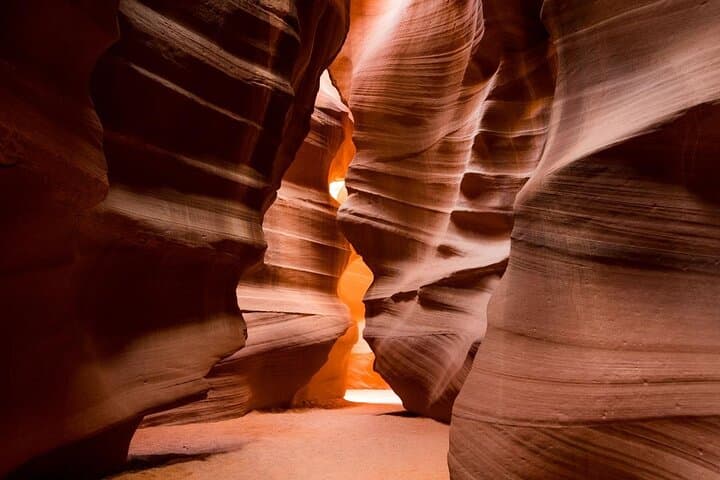
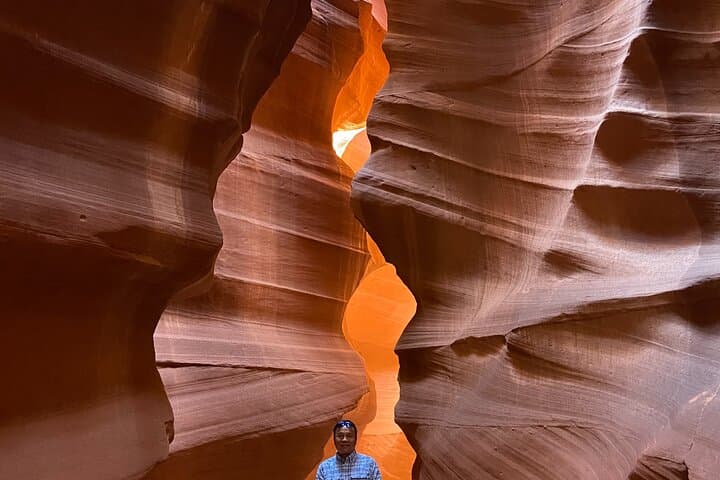
You step off the shuttle into a hot, pale desert and follow the guide across wind-rippled sand toward a narrow crack in the sandstone. Light pours over the lip, and the canyon seems to breathe — walls leaning in like listeners — drawing you down a ribbon of ochre and rose.
Verified experiences and guided adventures in the surrounding area.
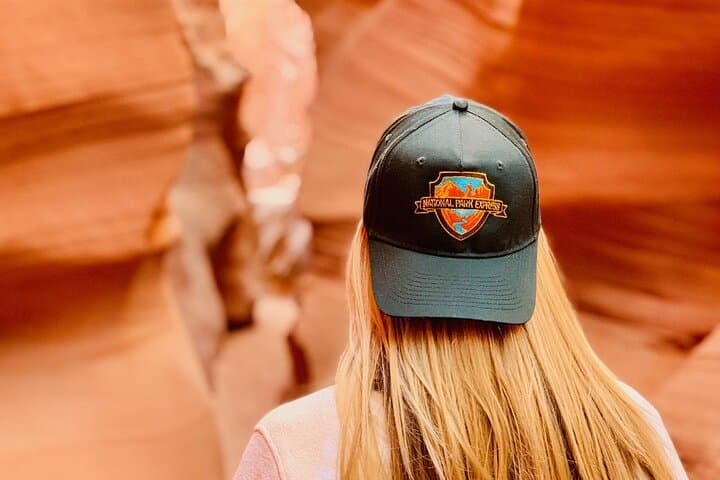
Operated by National Park Express · Page, Arizona
You step off the shuttle into a hot, pale desert and follow the guide across wind-rippled sand toward a narrow crack in the sandstone. Light pours over the lip, and the canyon seems to breathe — walls leaning in like listeners — drawing you down a ribbon of ochre and rose.
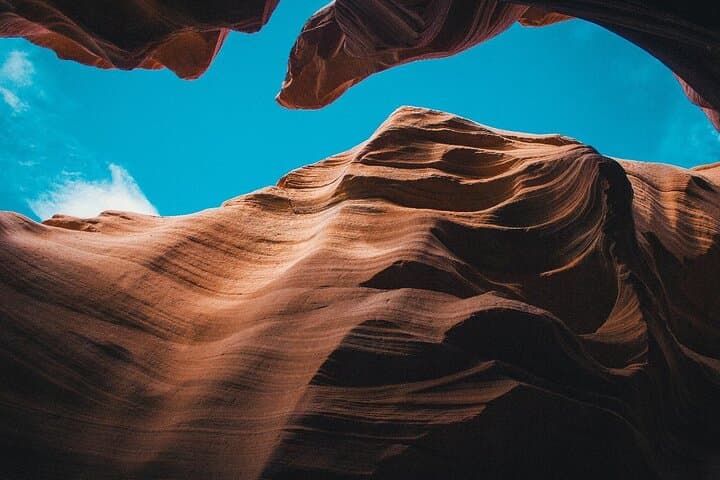
The canyon’s curving walls were carved by flash floods over millions of years, cutting deep channels through Navajo sandstone. Upper Antelope Canyon sits on Navajo Nation land; local guides share geological notes and cultural context as you walk, explaining traditional ties to the landscape and modern management of the site. Photographers prize the canyon’s undulating walls and, between April and September, dramatic mid-day light beams.
Expect steep stair access, uneven footing and narrow passages — this is a guided, interpretive experience rather than a wilderness hike. The tour runs about 90 minutes total, with roughly an hour inside the slot. Guides control the pace for safety and to protect fragile formations; rules forbid tripods, large bags and pets.
Practical planning: arrive 30 minutes early to check in with your confirmation and photo ID, hydrate before you enter the desert heat, and choose closed-toe shoes with good grip. Visit mid-morning to mid-afternoon for the best indoor color and mid-day for the light shafts in season. Weather can close the canyon for safety; flash floods and Navajo Parks decisions take precedence.
This is a sensory, accessible canyon visit — intimate, short, and engineered to protect the rock while giving visitors a close look at one of the Southwest’s most photographed natural features.
moderate.
1.5 hours.
Moderate fitness: able to climb stairs and walk on uneven surfaces for short periods
No — tripods, monopods, selfie sticks and drones are not permitted to protect the canyon and maintain tour flow.
Light beams are most visible mid-day from April through September when the sun is high; timing and conditions vary by weather.
No — the experience includes stairs and narrow, uneven passages; it is not suitable for wheelchairs, strollers or those needing canes/walkers.
Tours are about 90 minutes total, with roughly 45–60 minutes inside the slot canyon depending on group size and conditions.
Upper Antelope Canyon sits on Navajo Nation land; the slot formed over millennia by seasonal flash floods cutting through Navajo sandstone and local guides interpret both geological and cultural stories.
Strict access rules help protect fragile sandstone features and reduce erosion; follow Navajo Parks regulations and pack out any waste to minimize impact.
National Park Express operates guided outdoor trips and adventures with an emphasis on safety, stewardship, and memorable experiences.
You step off the shuttle into a hot, pale desert and follow the guide across wind-rippled sand toward a narrow crack in the sandstone. Light pours over the lip, and the canyon seems to breathe — walls leaning in like listeners — drawing you down a ribbon of ochre and rose.
You step off the shuttle into a hot, pale desert and follow the guide across wind-rippled sand toward a narrow crack in the sandstone. Light pours over the lip, and the canyon seems to breathe — walls leaning in like listeners — drawing you down a ribbon of ochre and rose.
The canyon’s curving walls were carved by flash floods over millions of years, cutting deep channels through Navajo sandstone. Upper Antelope Canyon sits on Navajo Nation land; local guides share geological notes and cultural context as you walk, explaining traditional ties to the landscape and modern management of the site. Photographers prize the canyon’s undulating walls and, between April and September, dramatic mid-day light beams.
Expect steep stair access, uneven footing and narrow passages — this is a guided, interpretive experience rather than a wilderness hike. The tour runs about 90 minutes total, with roughly an hour inside the slot. Guides control the pace for safety and to protect fragile formations; rules forbid tripods, large bags and pets.
Practical planning: arrive 30 minutes early to check in with your confirmation and photo ID, hydrate before you enter the desert heat, and choose closed-toe shoes with good grip. Visit mid-morning to mid-afternoon for the best indoor color and mid-day for the light shafts in season. Weather can close the canyon for safety; flash floods and Navajo Parks decisions take precedence.
This is a sensory, accessible canyon visit — intimate, short, and engineered to protect the rock while giving visitors a close look at one of the Southwest’s most photographed natural features.