THE ADVENTURE COLLECTIVE® · Independent discovery and booking for outdoor travel

Board a fast Zodiac at Cabo’s marina for a small-group whale-watching cruise that gets you closer to humpbacks, playful dolphins and El Arco. Learn from an onboard marine biologist while keeping encounters safe and respectful.
Board a fast Zodiac at Cabo’s marina for a small-group whale-watching cruise that gets you closer to humpbacks, playful dolphins and El Arco. Learn from an onboard marine biologist while keeping encounters safe and respectful.
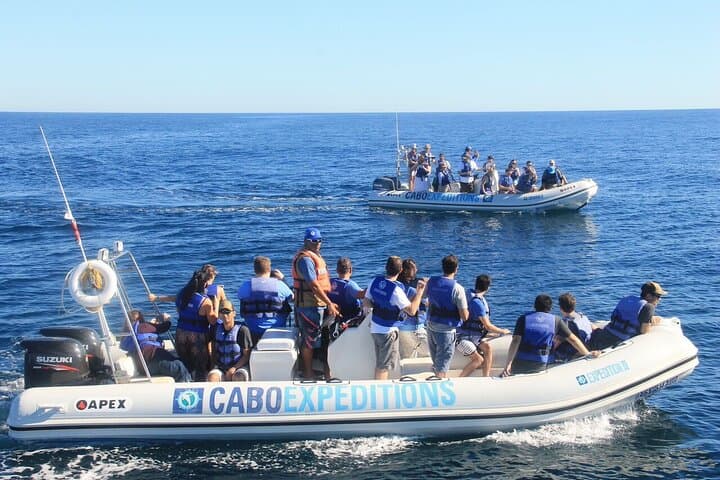
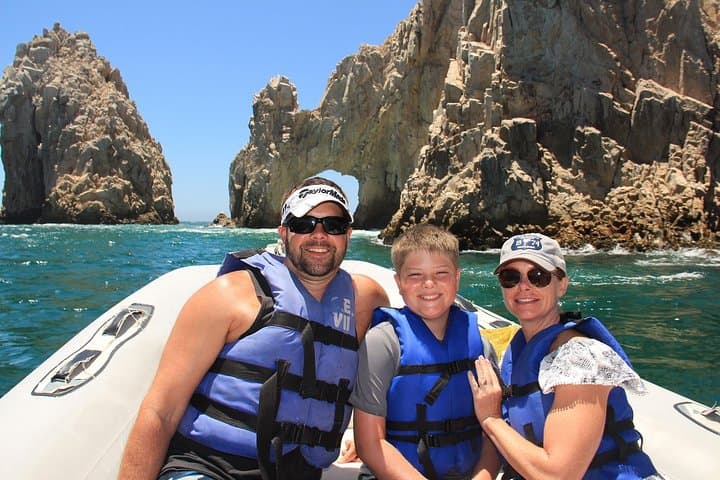
A morning out of Cabo San Lucas begins at the marina with the thrum of an engine and a quick briefing — the Zodiac cuts through glassy water, the bow lifting as the harbor gives way to open sea. Salt breezes push past you; gulls wheel and the rugged silhouette of El Arco grows larger, a wind-sculpted granite throat where Pacific and Sea of Cortez meet.
Verified experiences and guided adventures in the surrounding area.
Operated by Cabo Expeditions · Cabo San Lucas, Baja California Sur
A morning out of Cabo San Lucas begins at the marina with the thrum of an engine and a quick briefing — the Zodiac cuts through glassy water, the bow lifting as the harbor gives way to open sea. Salt breezes push past you; gulls wheel and the rugged silhouette of El Arco grows larger, a wind-sculpted granite throat where Pacific and Sea of Cortez meet.
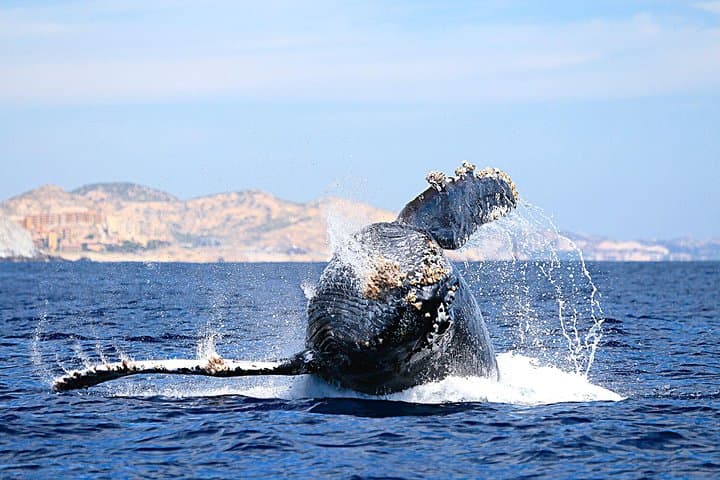
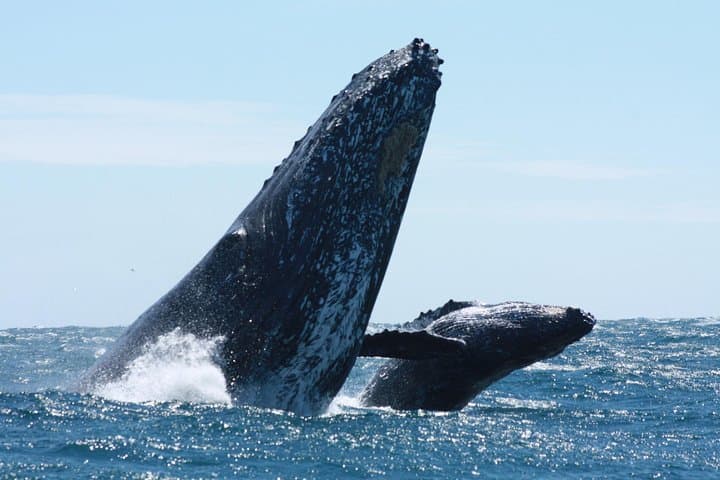
The coastline here is young in geologic terms, carved by waves and tectonic lift. Sailors and fishermen have long read these currents; modern guides pair that knowledge with marine biology to explain why humpback whales travel to these waters each winter to breed and calf. The walkthrough stop at Land's End offers a close view of the Arch and nearby sea caves, while a marine biologist on board interprets whale blows, breaches, and tail-lob sequences.
Expect concentrated, sensory wildlife moments — a spout puncturing the horizon, a juvenile testing its strength with a breach, dolphins darting in the Zodiac's wake. Respectful distance and federal protections shape how guides approach encounters, keeping animals calm and visitors safe.
Practicalities: tours run about 2.5 hours with small groups (around a dozen), and departures require arriving 30 minutes early at the marina. Dress for wind and sun, bring motion-sickness medication if you’re prone, and keep cameras ready with fast shutter speeds. If you want quieter views, opt for weekday departures early in the morning when the water is smoother and whales are active closer to shore.
easy.
2–3 hours.
Suitable for most fitness levels; requires basic mobility to board a Zodiac and stand or sit for short periods.
Peak season for humpback sightings is generally December through April when whales come to breed and calf; other species may appear outside this window.
Yes — tours are family-friendly and labeled easy, but children must be accompanied by an adult and people with serious medical conditions should consult a doctor first.
A small dock or port fee is often collected on arrival; the tour operator will note this in your booking instructions.
Operators follow local regulations and best practices: Zodiacs can approach closer than large boats but guides maintain safe distances to avoid disturbing animals.
El Arco and the jagged promontories at Land’s End were sculpted by millions of years of wave erosion and uplift, creating a landmark long used by sailors navigating the Baja tip.
Operators follow Mexican regulations and wildlife guidelines to minimize disturbance; visitors should avoid flash photography directed at animals and follow guide instructions to support sustainable viewing.
Cabo Expeditions operates guided outdoor trips and adventures with an emphasis on safety, stewardship, and memorable experiences.
A morning out of Cabo San Lucas begins at the marina with the thrum of an engine and a quick briefing — the Zodiac cuts through glassy water, the bow lifting as the harbor gives way to open sea. Salt breezes push past you; gulls wheel and the rugged silhouette of El Arco grows larger, a wind-sculpted granite throat where Pacific and Sea of Cortez meet.
A morning out of Cabo San Lucas begins at the marina with the thrum of an engine and a quick briefing — the Zodiac cuts through glassy water, the bow lifting as the harbor gives way to open sea. Salt breezes push past you; gulls wheel and the rugged silhouette of El Arco grows larger, a wind-sculpted granite throat where Pacific and Sea of Cortez meet.
The coastline here is young in geologic terms, carved by waves and tectonic lift. Sailors and fishermen have long read these currents; modern guides pair that knowledge with marine biology to explain why humpback whales travel to these waters each winter to breed and calf. The walkthrough stop at Land's End offers a close view of the Arch and nearby sea caves, while a marine biologist on board interprets whale blows, breaches, and tail-lob sequences.
Expect concentrated, sensory wildlife moments — a spout puncturing the horizon, a juvenile testing its strength with a breach, dolphins darting in the Zodiac's wake. Respectful distance and federal protections shape how guides approach encounters, keeping animals calm and visitors safe.
Practicalities: tours run about 2.5 hours with small groups (around a dozen), and departures require arriving 30 minutes early at the marina. Dress for wind and sun, bring motion-sickness medication if you’re prone, and keep cameras ready with fast shutter speeds. If you want quieter views, opt for weekday departures early in the morning when the water is smoother and whales are active closer to shore.