THE ADVENTURE COLLECTIVE® · Independent discovery and booking for outdoor travel

Spend half a day near La Romana watching playful squirrel monkeys at Monkeyland, then step into daily Dominican life on a plantation tour. Expect easy walking, guided interactions, and cultural insights paired with practical rules to protect animals and people.
Spend half a day near La Romana watching playful squirrel monkeys at Monkeyland, then step into daily Dominican life on a plantation tour. Expect easy walking, guided interactions, and cultural insights paired with practical rules to protect animals and people.
The morning air presses warm and damp against your face as the van leaves La Romana, and the coastal lowlands unfurl into stands of shade trees and cultivated fields. At Monkeyland, small, cinnamon-colored squirrel monkeys move with electric curiosity—peering, climbing, and sometimes taking a tentative snack from a guide’s hand—while nearby palms and ceiba trees throw mottled shadow over compact trails.
Verified experiences and guided adventures in the surrounding area.
Operated by Runners Adventures · La Romana, La Romana
The morning air presses warm and damp against your face as the van leaves La Romana, and the coastal lowlands unfurl into stands of shade trees and cultivated fields. At Monkeyland, small, cinnamon-colored squirrel monkeys move with electric curiosity—peering, climbing, and sometimes taking a tentative snack from a guide’s hand—while nearby palms and ceiba trees throw mottled shadow over compact trails.
This combined wildlife-and-plantation tour pairs a close encounter with free-roaming primates and a cultural stop at a typical Dominican house and plantation. The southeast Dominican landscape is defined by low, gently rolling plains shaped by alluvial deposits from nearby rivers and centuries of agriculture; plantations here are rooted in a colonial history of sugar and cacao that shaped local labor and settlement patterns. Guides often speak Creole Spanish and point out traditional construction methods, local crops, and family stories that survive on these properties.
Plan practically: the shared tour runs about 5–6 hours from hotel pickup in La Romana, and it’s rated easy—suitable for most fitness levels—but follow park rules: avoid sunscreen and insect repellent near the monkeys, move calmly, and keep loose items secured. Wear sturdy closed-toe shoes for uneven, sometimes muddy ground; bring a hat, a reusable water bottle (refill stations or bottled water provided), and a camera with a zoom lens. Morning departures avoid midday heat and make primate activity more reliable. Respect the animals and local households; the experience is both wildlife viewing and a brief cultural exchange—laid out with clear guidance from bilingual guides to keep the visit safe and meaningful.
easy.
5–6 hours.
Suitable for most fitness levels; light walking on uneven terrain and short steps.
Interactions are supervised; guides control feeding and contact—follow their instructions precisely and avoid unapproved food or direct touching.
Yes—infants can join but must sit on an adult’s lap; the tour is considered easy but keep children close around animals and on trails.
Most bookings include hotel pickup and drop-off from La Romana; the operator confirms pickup details when you book.
Do not apply sunscreen or chemical insect repellent before entering monkey areas; these products can harm primates—use clothing for protection instead.
Plantations in the La Romana region grew from colonial-era sugar and cacao economies; many local families retain agricultural practices passed through generations.
The site emphasizes minimal contact and no harmful chemicals to protect primate health; support responsible operators who prioritize animal welfare and community benefits.
Runners Adventures operates guided outdoor trips and adventures with an emphasis on safety, stewardship, and memorable experiences.
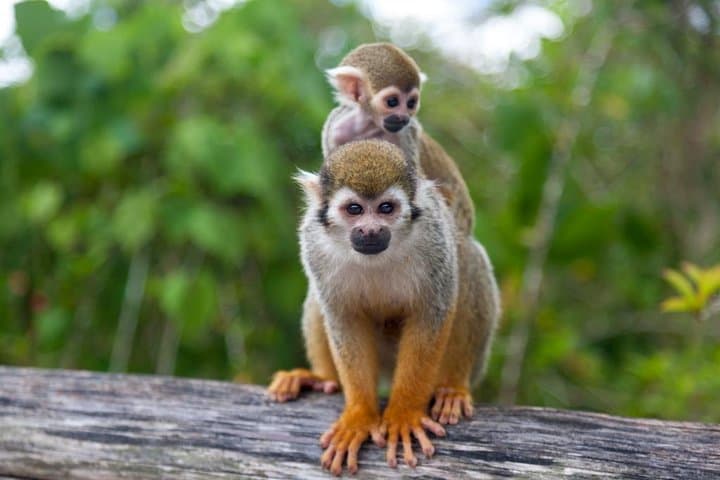
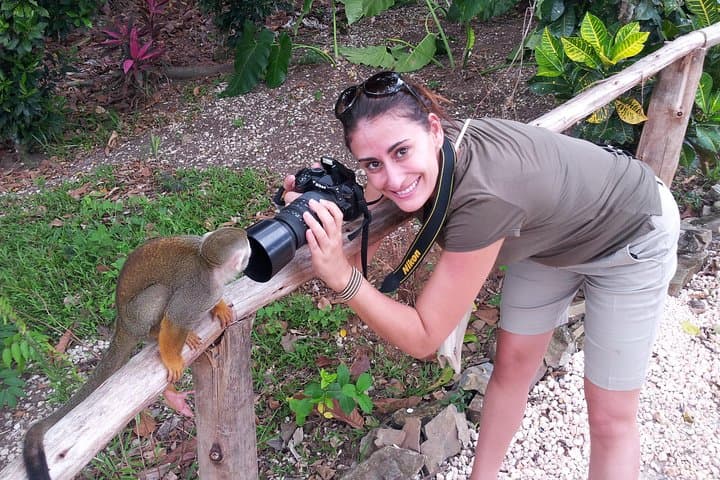
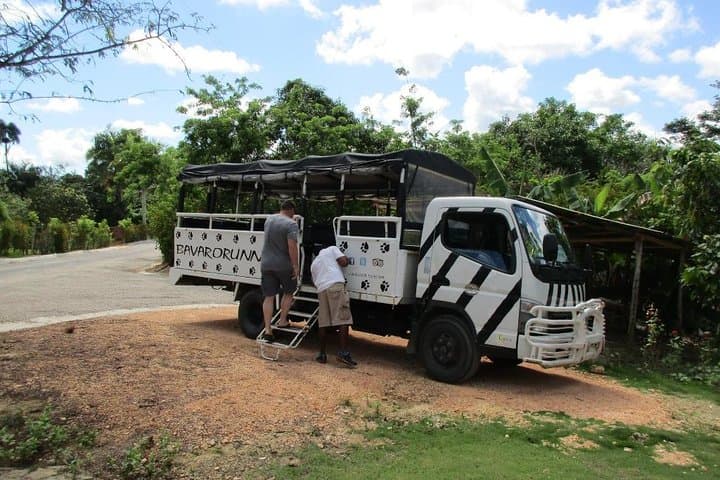
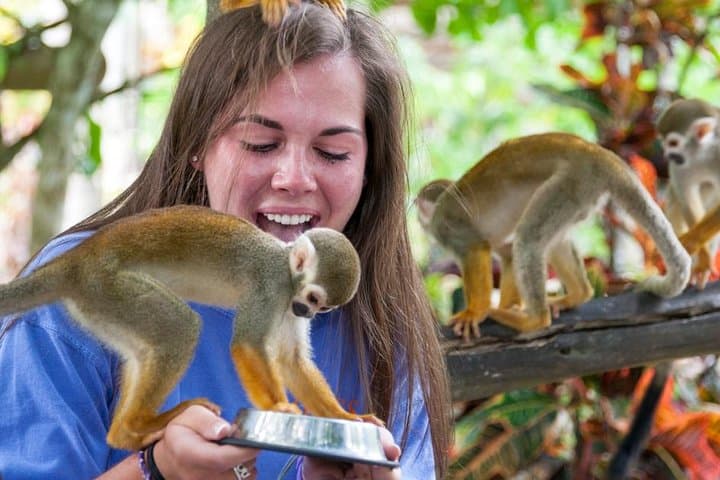
The morning air presses warm and damp against your face as the van leaves La Romana, and the coastal lowlands unfurl into stands of shade trees and cultivated fields. At Monkeyland, small, cinnamon-colored squirrel monkeys move with electric curiosity—peering, climbing, and sometimes taking a tentative snack from a guide’s hand—while nearby palms and ceiba trees throw mottled shadow over compact trails.
The morning air presses warm and damp against your face as the van leaves La Romana, and the coastal lowlands unfurl into stands of shade trees and cultivated fields. At Monkeyland, small, cinnamon-colored squirrel monkeys move with electric curiosity—peering, climbing, and sometimes taking a tentative snack from a guide’s hand—while nearby palms and ceiba trees throw mottled shadow over compact trails.
This combined wildlife-and-plantation tour pairs a close encounter with free-roaming primates and a cultural stop at a typical Dominican house and plantation. The southeast Dominican landscape is defined by low, gently rolling plains shaped by alluvial deposits from nearby rivers and centuries of agriculture; plantations here are rooted in a colonial history of sugar and cacao that shaped local labor and settlement patterns. Guides often speak Creole Spanish and point out traditional construction methods, local crops, and family stories that survive on these properties.
Plan practically: the shared tour runs about 5–6 hours from hotel pickup in La Romana, and it’s rated easy—suitable for most fitness levels—but follow park rules: avoid sunscreen and insect repellent near the monkeys, move calmly, and keep loose items secured. Wear sturdy closed-toe shoes for uneven, sometimes muddy ground; bring a hat, a reusable water bottle (refill stations or bottled water provided), and a camera with a zoom lens. Morning departures avoid midday heat and make primate activity more reliable. Respect the animals and local households; the experience is both wildlife viewing and a brief cultural exchange—laid out with clear guidance from bilingual guides to keep the visit safe and meaningful.