THE ADVENTURE COLLECTIVE® · Independent discovery and booking for outdoor travel

Get a close, practical look at camels on a working Dubai desert farm—feed friendly animals, try fresh camel milk and learn about Bedouin traditions. This compact visit pairs cultural insight with optional dune activities for those seeking more adrenaline.
Get a close, practical look at camels on a working Dubai desert farm—feed friendly animals, try fresh camel milk and learn about Bedouin traditions. This compact visit pairs cultural insight with optional dune activities for those seeking more adrenaline.
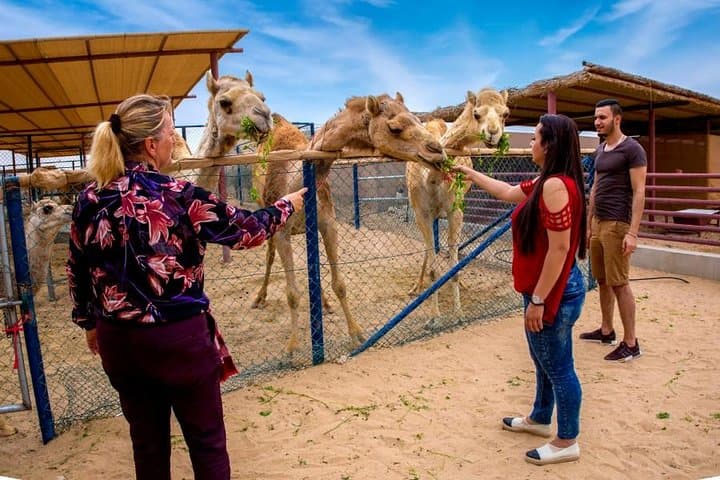
The morning heat shimmers off ochre dunes as you step from an air‑conditioned vehicle into the low hum of a working camel farm on Dubai’s desert fringe. Camels lift slow heads, nostrils flaring, curious and unhurried; nearby, chickens and goats move through shaded pens while a guide lays out steaming Karak tea and small cups of fresh camel milk.
Verified experiences and guided adventures in the surrounding area.
Operated by Arooha Tours · Dubai, Dubai
The morning heat shimmers off ochre dunes as you step from an air‑conditioned vehicle into the low hum of a working camel farm on Dubai’s desert fringe. Camels lift slow heads, nostrils flaring, curious and unhurried; nearby, chickens and goats move through shaded pens while a guide lays out steaming Karak tea and small cups of fresh camel milk.
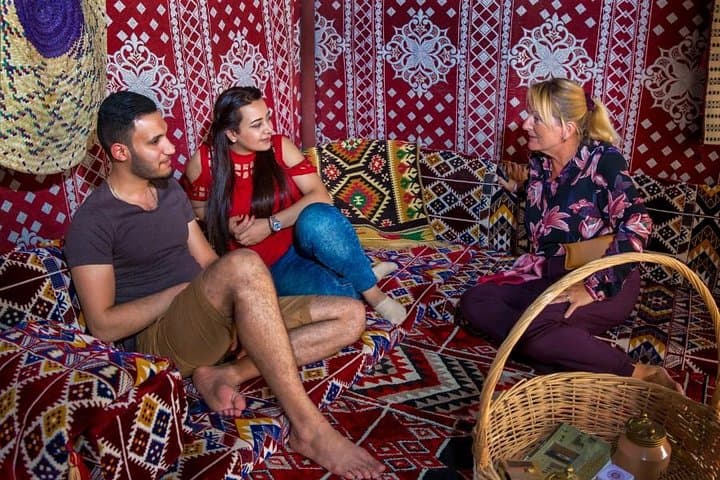
The experience folds modern Emirati hospitality into a long human‑camel relationship. Camels have been integral to Bedouin transport, milk and social life for centuries, and the farm’s layout — corrals, a shaded majlis, and tracks that lead into open sand — reflects practical animal husbandry more than tourist spectacle. Geologically, you’re in the sandy plain beyond Dubai’s coastal shelf where wind shapes low dunes and salt pans lie hidden beneath sparse scrub.
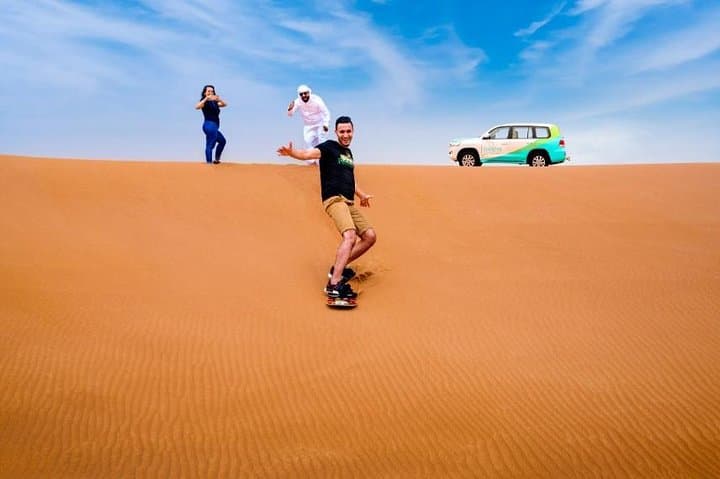
Culturally expect a practical introduction to camel milk tasting, a short guided feeding session and a basic short ride inside the farm compound; the option to add quad rides or dune bashing is common for those wanting higher adrenaline. Guides typically explain camel anatomy, milking practices and local customs around hospitality.
Practical guidance: arrive with sun protection and closed‑toe shoes; carry any allergy meds if you’re sensitive to animal dander. The visit is low impact but respect animal space—feed only as instructed. Timing early morning or late afternoon avoids peak heat; bring water even if refreshments are provided. If you plan to sample camel milk, ask about pasteurization if you have dietary concerns. Transfers are usually included from central Dubai pickup points—confirm pickup time and seat availability ahead of travel.
easy.
4 hours.
Suitable for most fitness levels; mostly standing and short, gentle walks within the farm compound.
Many farms offer fresh camel milk; ask whether it’s pasteurized if you’re concerned about food safety or have a dairy allergy.
The standard experience is about four hours including transfers, guided farm time and short refreshment breaks.
Yes—this family‑friendly activity is suitable for children, though little ones should be supervised around animals and during rides.
Yes—operators typically offer optional dune bashing or a short quad ride as add‑ons depending on time and availability; book ahead if needed.
Camels have been central to Gulf life for centuries—used for transport, milk and social status; farms now combine heritage with modern husbandry.
Responsible farms limit visitor numbers and manage feeding to avoid disrupting animal diets; follow guide rules to minimize stress and waste.
Arooha Tours operates guided outdoor trips and adventures with an emphasis on safety, stewardship, and memorable experiences.

The morning heat shimmers off ochre dunes as you step from an air‑conditioned vehicle into the low hum of a working camel farm on Dubai’s desert fringe. Camels lift slow heads, nostrils flaring, curious and unhurried; nearby, chickens and goats move through shaded pens while a guide lays out steaming Karak tea and small cups of fresh camel milk.
The morning heat shimmers off ochre dunes as you step from an air‑conditioned vehicle into the low hum of a working camel farm on Dubai’s desert fringe. Camels lift slow heads, nostrils flaring, curious and unhurried; nearby, chickens and goats move through shaded pens while a guide lays out steaming Karak tea and small cups of fresh camel milk.
The experience folds modern Emirati hospitality into a long human‑camel relationship. Camels have been integral to Bedouin transport, milk and social life for centuries, and the farm’s layout — corrals, a shaded majlis, and tracks that lead into open sand — reflects practical animal husbandry more than tourist spectacle. Geologically, you’re in the sandy plain beyond Dubai’s coastal shelf where wind shapes low dunes and salt pans lie hidden beneath sparse scrub.
Culturally expect a practical introduction to camel milk tasting, a short guided feeding session and a basic short ride inside the farm compound; the option to add quad rides or dune bashing is common for those wanting higher adrenaline. Guides typically explain camel anatomy, milking practices and local customs around hospitality.
Practical guidance: arrive with sun protection and closed‑toe shoes; carry any allergy meds if you’re sensitive to animal dander. The visit is low impact but respect animal space—feed only as instructed. Timing early morning or late afternoon avoids peak heat; bring water even if refreshments are provided. If you plan to sample camel milk, ask about pasteurization if you have dietary concerns. Transfers are usually included from central Dubai pickup points—confirm pickup time and seat availability ahead of travel.