THE ADVENTURE COLLECTIVE® · Independent discovery and booking for outdoor travel

Spend a focused half-day off Moorea watching humpback whales and snorkeling in clear lagoon waters. Small-group cruises combine guided sightings with provided snorkel gear and local expertise.
Spend a focused half-day off Moorea watching humpback whales and snorkeling in clear lagoon waters. Small-group cruises combine guided sightings with provided snorkel gear and local expertise.
Salt spray and the slow roll of Moorea's lagoon set the pace as the boat eases from the reef into open water.
Verified experiences and guided adventures in the surrounding area.
Operated by Moorea Ocean Riders · Maharepa, Society Islands
Salt spray and the slow roll of Moorea's lagoon set the pace as the boat eases from the reef into open water.
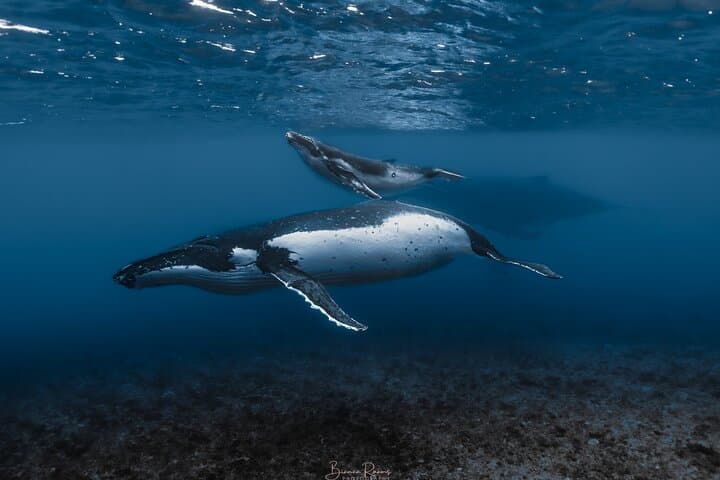
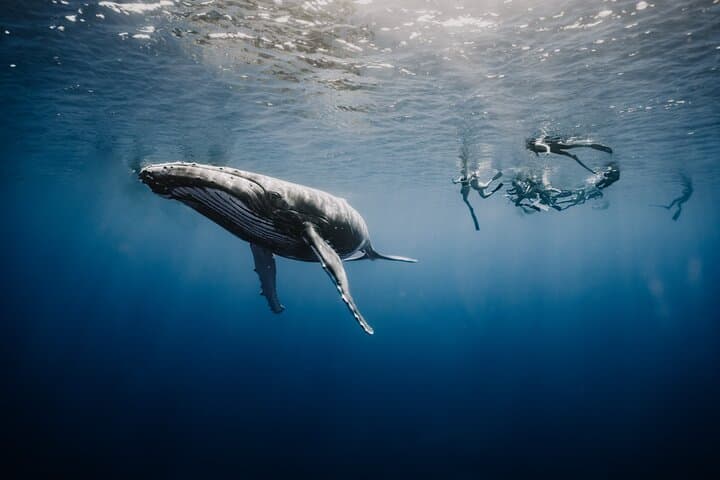
Within minutes the island's jagged volcanic ridges fall away and the sea takes over—wide, blue, and alive. Guides scan the horizon, then point: a blow, an arched back. Humpback whales puncture the surface like living mountains, curious and powerful; sometimes they will accept a human presence and allow a quiet approach.
Moorea itself is a young volcanic island carved by lava and coral growth; its lagoon and barrier reef create protected channels where whales can rest and nurses can tend calves. Polynesian seafaring culture and a long history of subsistence fishing shape local attitudes—respect and space for marine life are common expectations on any tour.
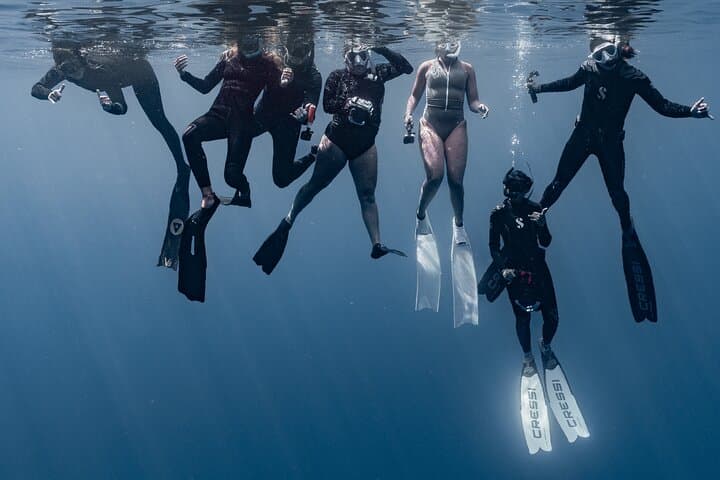
This shared half-day runs about four hours, typically with small groups (max six) on a comfortable boat with cushioned seating, a shaded roof, and an easy boarding sled. Expect times when the crew offers guided snorkeling—equipment is provided—and instructions on safe approach distances. The guides balance enthusiasm with local regulations and animal welfare: you may swim with whales only if conditions and the animals permit.
Practical notes: book during humpback season (Southern Hemisphere winter, roughly June–October), bring reef-safe sunscreen, motion-sickness remedies, and a change of dry clothes. Travelers with serious cardiac, spinal, or pregnancy concerns should abstain; weight limits may apply. Arrive early, listen to the briefing, and let the ocean decide how close you get—often the most memorable moments come from quiet observation as a whale glides past.
moderate.
4 hours.
Moderate fitness required: comfortable getting in/out of the water and able to snorkel for short periods.
Humpback season in French Polynesia runs roughly June through October, with peak sightings often in August–September.
Basic swimming and comfort in shallow snorkeling are required; guides provide flotation and supervise, but participants should be able to manage in open water.
Yes—masks, snorkels, and fins are provided; tell the operator your sizes in advance for the best fit.
Tours are not recommended for pregnant travelers or those with serious spinal/heart conditions; some operators advise against participation over about 100 kg—check at booking.
Moorea is a volcanic remnant of hotspot activity; its lagoon and reef have supported Polynesian communities for centuries, shaping a maritime culture focused on sustainable use of sea resources.
Operators are increasingly following voluntary codes for whale approach and swim behavior; use reef-safe products and avoid touching wildlife to reduce impact.
Moorea Ocean Riders operates guided outdoor trips and adventures with an emphasis on safety, stewardship, and memorable experiences.
Salt spray and the slow roll of Moorea's lagoon set the pace as the boat eases from the reef into open water.
Salt spray and the slow roll of Moorea's lagoon set the pace as the boat eases from the reef into open water.
Within minutes the island's jagged volcanic ridges fall away and the sea takes over—wide, blue, and alive. Guides scan the horizon, then point: a blow, an arched back. Humpback whales puncture the surface like living mountains, curious and powerful; sometimes they will accept a human presence and allow a quiet approach.
Moorea itself is a young volcanic island carved by lava and coral growth; its lagoon and barrier reef create protected channels where whales can rest and nurses can tend calves. Polynesian seafaring culture and a long history of subsistence fishing shape local attitudes—respect and space for marine life are common expectations on any tour.
This shared half-day runs about four hours, typically with small groups (max six) on a comfortable boat with cushioned seating, a shaded roof, and an easy boarding sled. Expect times when the crew offers guided snorkeling—equipment is provided—and instructions on safe approach distances. The guides balance enthusiasm with local regulations and animal welfare: you may swim with whales only if conditions and the animals permit.
Practical notes: book during humpback season (Southern Hemisphere winter, roughly June–October), bring reef-safe sunscreen, motion-sickness remedies, and a change of dry clothes. Travelers with serious cardiac, spinal, or pregnancy concerns should abstain; weight limits may apply. Arrive early, listen to the briefing, and let the ocean decide how close you get—often the most memorable moments come from quiet observation as a whale glides past.