THE ADVENTURE COLLECTIVE® · Independent discovery and booking for outdoor travel

Set out from San José del Cabo for a focused two-hour whale watching expedition led by marine biologists. Small groups, expert commentary, and responsible viewing make this a practical and memorable marine encounter.
Set out from San José del Cabo for a focused two-hour whale watching expedition led by marine biologists. Small groups, expert commentary, and responsible viewing make this a practical and memorable marine encounter.
The sun lifts pale gold off the Sea of Cortez as your boat slips from San José del Cabo’s marina, engines low and eyes fixed on the horizon. Salt air fills your nostrils; the first distant blow misting like a promise. In minutes the deck hums with focused quiet—binoculars raised, cameras ready—while certified marine biologists point out telltale tails and pectoral slaps.
Verified experiences and guided adventures in the surrounding area.
Operated by DipExpeditions · San José del Cabo, Baja California Sur
The sun lifts pale gold off the Sea of Cortez as your boat slips from San José del Cabo’s marina, engines low and eyes fixed on the horizon. Salt air fills your nostrils; the first distant blow misting like a promise. In minutes the deck hums with focused quiet—binoculars raised, cameras ready—while certified marine biologists point out telltale tails and pectoral slaps.
Baja California Sur sits on a migratory highway: humpback whales travel thousands of miles from feeding grounds in the north to Baja’s warm waters to breed and calve. Geologically, the region is young coast—rocky promontories and sandy flats shaped by tectonic uplift and the Pacific-Gulf currents that nourish rich plankton blooms below the surface.
Locally, whale watching blends scientific monitoring with small-boat tradition. Guides here are steeped in regional knowledge—where mother-calf pairs favor shallow bays, where social pods arc and breach. Operators run small groups (max eight) for safety and minimal disturbance; the approach follows Mexican regulations and best-practice viewing distances to protect animals and listeners alike.
For a successful two-hour outing, dress in layers against wind and spray, bring motion-sickness prevention if you’re prone, and keep camera settings ready for fast action. Tours typically include snacks and beverages; they’re suitable for most fitness levels but not recommended for pregnant people or anyone with serious spinal issues. Plan visits during the peak season (roughly December–April), arrive early at the dock, and be ready for the unpredictable—whales decide the show, and sometimes, that means the moment you’ve been waiting for arrives when you least expect it.
easy.
2 hours.
Basic mobility required to board and move on deck; ability to stand or sit for two hours
Peak season runs roughly December through April, with highest encounter rates January–March when mothers and calves are most common.
No operator can legally guarantee a sighting; however, small-group local operators in San José del Cabo report consistently high encounter rates during peak season.
Yes—infants are allowed but must sit on a lap; crew provide safety briefings and life jackets for all ages.
Tell your booking agent or crew; they recommend taking medication beforehand, sitting mid-ship, and focusing on the horizon to reduce symptoms.
The Gulf of California has long been an important seasonal refuge for migrating whales; local communities have transitioned from hunting seasons in the past to conservation and eco-tourism today.
Operators follow Mexican whale-watching regulations and best-practice approaches to minimize disruption; choosing certified guides supports research and local stewardship.
DipExpeditions operates guided outdoor trips and adventures with an emphasis on safety, stewardship, and memorable experiences.
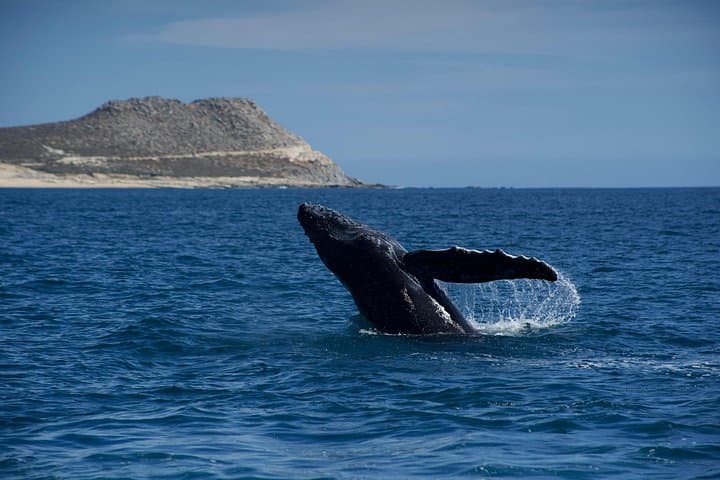
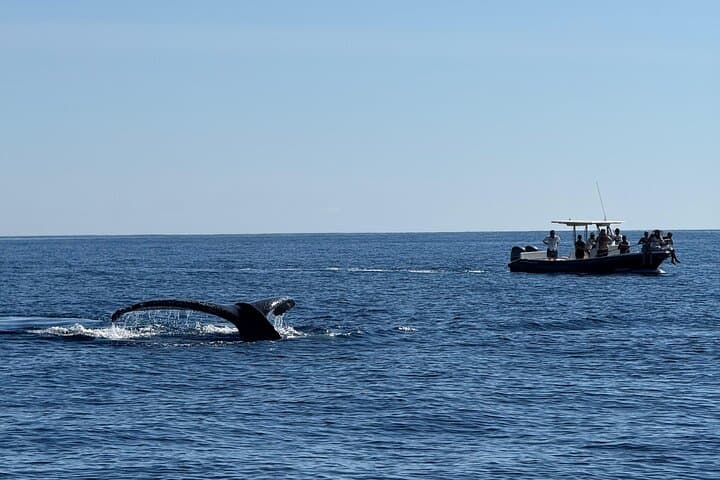
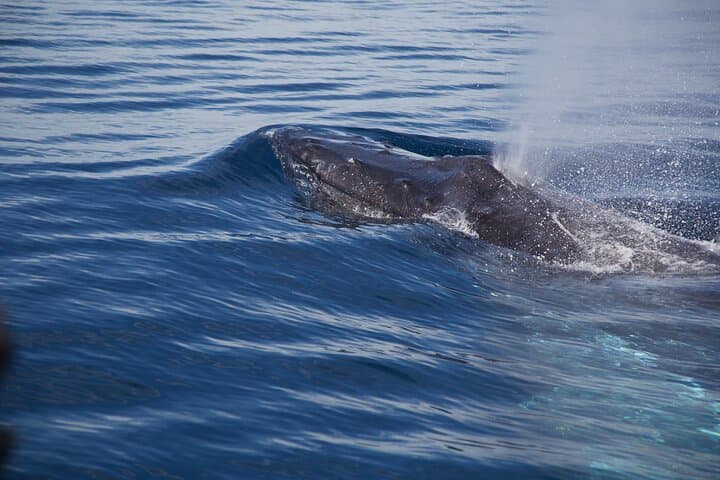
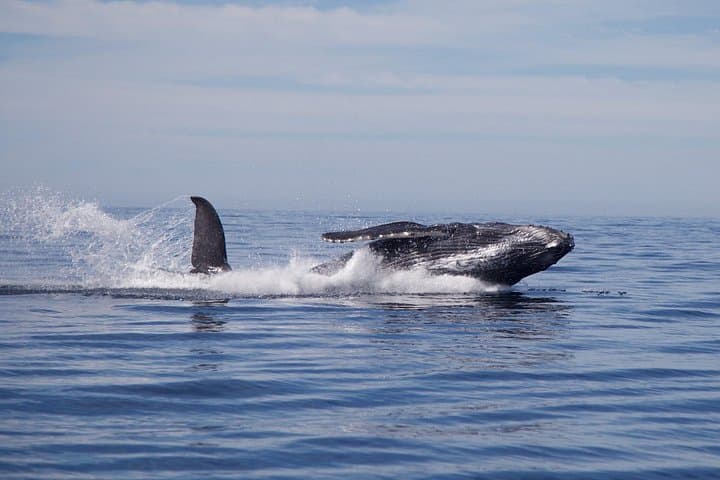
The sun lifts pale gold off the Sea of Cortez as your boat slips from San José del Cabo’s marina, engines low and eyes fixed on the horizon. Salt air fills your nostrils; the first distant blow misting like a promise. In minutes the deck hums with focused quiet—binoculars raised, cameras ready—while certified marine biologists point out telltale tails and pectoral slaps.
The sun lifts pale gold off the Sea of Cortez as your boat slips from San José del Cabo’s marina, engines low and eyes fixed on the horizon. Salt air fills your nostrils; the first distant blow misting like a promise. In minutes the deck hums with focused quiet—binoculars raised, cameras ready—while certified marine biologists point out telltale tails and pectoral slaps.
Baja California Sur sits on a migratory highway: humpback whales travel thousands of miles from feeding grounds in the north to Baja’s warm waters to breed and calve. Geologically, the region is young coast—rocky promontories and sandy flats shaped by tectonic uplift and the Pacific-Gulf currents that nourish rich plankton blooms below the surface.
Locally, whale watching blends scientific monitoring with small-boat tradition. Guides here are steeped in regional knowledge—where mother-calf pairs favor shallow bays, where social pods arc and breach. Operators run small groups (max eight) for safety and minimal disturbance; the approach follows Mexican regulations and best-practice viewing distances to protect animals and listeners alike.
For a successful two-hour outing, dress in layers against wind and spray, bring motion-sickness prevention if you’re prone, and keep camera settings ready for fast action. Tours typically include snacks and beverages; they’re suitable for most fitness levels but not recommended for pregnant people or anyone with serious spinal issues. Plan visits during the peak season (roughly December–April), arrive early at the dock, and be ready for the unpredictable—whales decide the show, and sometimes, that means the moment you’ve been waiting for arrives when you least expect it.