THE ADVENTURE COLLECTIVE® · Independent discovery and booking for outdoor travel

Stand on the Zambian rim and feel the spray as the Zambezi plunges into a basalt gorge. This two-hour guided walk delivers close-up views, geological context, and practical tips for visiting Victoria Falls from Livingstone.
Stand on the Zambian rim and feel the spray as the Zambezi plunges into a basalt gorge. This two-hour guided walk delivers close-up views, geological context, and practical tips for visiting Victoria Falls from Livingstone.
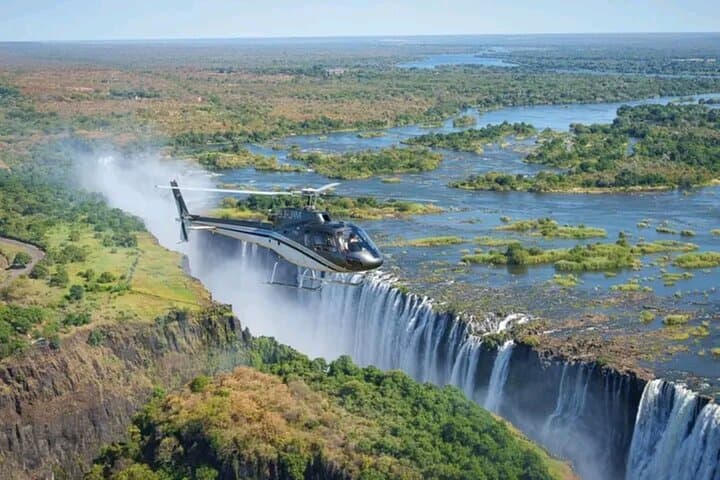
The roar arrives before the view: a white plume rising above the gorge, spray pushing forward like a living wall. On the Zambian side, a two-hour guided walk threads cliff-top viewpoints where the Zambezi River dares you to stand closer and watch water vanish into the Rift.
Verified experiences and guided adventures in the surrounding area.
Operated by African Joined Tours and Safaris · Livingstone, Southern Province
The roar arrives before the view: a white plume rising above the gorge, spray pushing forward like a living wall. On the Zambian side, a two-hour guided walk threads cliff-top viewpoints where the Zambezi River dares you to stand closer and watch water vanish into the Rift.
Victoria Falls—Mosi-oa-Tunya, "Smoke That Thunders"—was cataloged by 19th-century explorers and sits where basalt escarpments fracture the Zambezi, creating one of the planet’s largest single sheets of falling water. Geology here is raw: layered basalt and gorges carved by millennia of floods. Culturally, Livingstone’s name and missionary history intersect with Tonga and Lozi communities who have long-held relationships with the river.
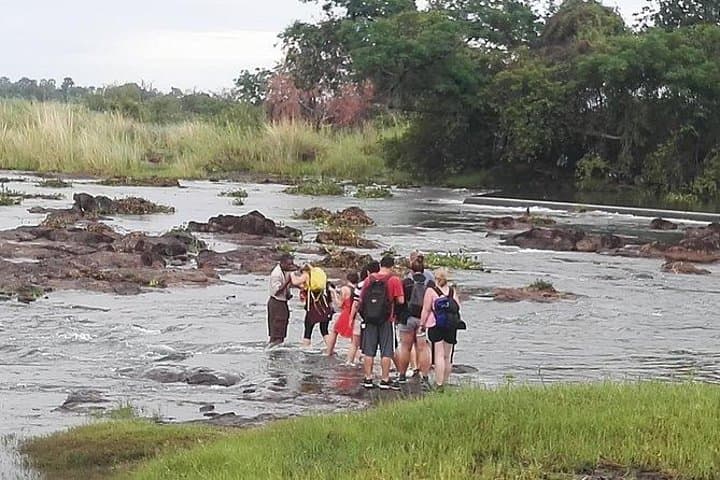
Expect a compact, interpretive experience: sweeping panoramas of the Main Falls and the Victorian Falls Bridge, close-up views of spray-lashed rock, and staff-led notes on the falls’ formation and local ecology. Wildlife—baboons and elephants—may appear along the rim or in riverside woodlands.
Practical guidance: come early to avoid crowds and the heaviest spray, bring a waterproof layer and non-slip shoes for wet rock and steps, and carry local currency for park fees and tips. The walk is moderately paced but uneven; visitors should have a basic level of fitness. Water, snacks, and a guide are typically provided on this type of short tour. Because the falls’ flow changes seasonally, expect different perspectives: a thunderous curtain in the high-water months and clearer sightlines in the dry season.
This guided tour is ideal for first-time visitors who want an intensive, interpretive snapshot of one of Africa’s most dramatic river crossings.
moderate.
2 hours.
Moderate—able to walk uneven paths and climb steps; not suitable for those needing wheelchair access
Policies vary by operator; some tours include the Victoria Falls National Park entry fee while others do not—confirm at booking.
Infants are allowed but must sit on an adult’s lap during the tour; uneven paths make the walk harder with strollers.
Most guided walks on the Zambian side involve steps and wet, uneven surfaces and are not wheelchair accessible—check with the operator for alternatives.
Dry months (roughly August–November) often provide clearer sightlines though lower flow; peak flow (March–May) creates maximum spray and dramatic thunder but limits visibility.
Named by explorer David Livingstone in 1855, the falls are known locally as Mosi-oa-Tunya and have long been central to riverine communities and colonial-era exploration.
Victoria Falls and surrounding national parks face pressure from tourism and changing river flows; stick to marked paths, avoid single-use plastics, and support licensed local guides.
African Joined Tours and Safaris operates guided outdoor trips and adventures with an emphasis on safety, stewardship, and memorable experiences.


The roar arrives before the view: a white plume rising above the gorge, spray pushing forward like a living wall. On the Zambian side, a two-hour guided walk threads cliff-top viewpoints where the Zambezi River dares you to stand closer and watch water vanish into the Rift.
The roar arrives before the view: a white plume rising above the gorge, spray pushing forward like a living wall. On the Zambian side, a two-hour guided walk threads cliff-top viewpoints where the Zambezi River dares you to stand closer and watch water vanish into the Rift.
Victoria Falls—Mosi-oa-Tunya, "Smoke That Thunders"—was cataloged by 19th-century explorers and sits where basalt escarpments fracture the Zambezi, creating one of the planet’s largest single sheets of falling water. Geology here is raw: layered basalt and gorges carved by millennia of floods. Culturally, Livingstone’s name and missionary history intersect with Tonga and Lozi communities who have long-held relationships with the river.
Expect a compact, interpretive experience: sweeping panoramas of the Main Falls and the Victorian Falls Bridge, close-up views of spray-lashed rock, and staff-led notes on the falls’ formation and local ecology. Wildlife—baboons and elephants—may appear along the rim or in riverside woodlands.
Practical guidance: come early to avoid crowds and the heaviest spray, bring a waterproof layer and non-slip shoes for wet rock and steps, and carry local currency for park fees and tips. The walk is moderately paced but uneven; visitors should have a basic level of fitness. Water, snacks, and a guide are typically provided on this type of short tour. Because the falls’ flow changes seasonally, expect different perspectives: a thunderous curtain in the high-water months and clearer sightlines in the dry season.
This guided tour is ideal for first-time visitors who want an intensive, interpretive snapshot of one of Africa’s most dramatic river crossings.