THE ADVENTURE COLLECTIVE® · Independent discovery and booking for outdoor travel

Step from the minivan into a wall of mist and thunder: the Argentine side of Iguassu delivers boardwalks that put you inches from the falls. This private full-day tour covers the major circuits, border formalities, and practical tips for getting the most from your visit.
Step from the minivan into a wall of mist and thunder: the Argentine side of Iguassu delivers boardwalks that put you inches from the falls. This private full-day tour covers the major circuits, border formalities, and practical tips for getting the most from your visit.
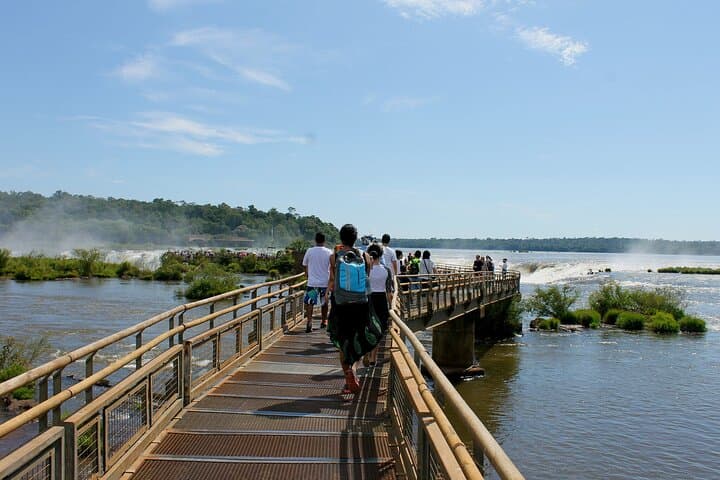
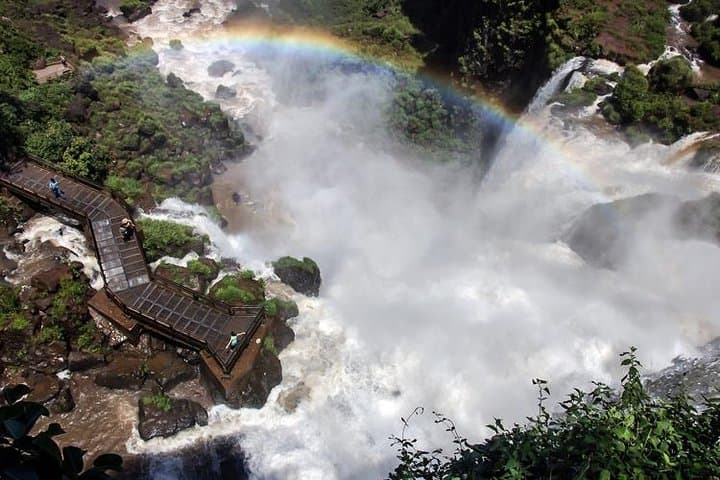
You exit the hotel, cross the border, and within an hour the boardwalks appear through a wall of spray — the falls announce themselves before you see them. On the Argentine side the walkways run out into the cataracts, putting you on platforms that let the river and wind push water and sound around you; expect damp hair, a pounding rhythm, and a constant, shifting curtain of mist.
Verified experiences and guided adventures in the surrounding area.
Operated by Neumann Operadora de Receptivo · Puerto Iguazú, Misiones
You exit the hotel, cross the border, and within an hour the boardwalks appear through a wall of spray — the falls announce themselves before you see them. On the Argentine side the walkways run out into the cataracts, putting you on platforms that let the river and wind push water and sound around you; expect damp hair, a pounding rhythm, and a constant, shifting curtain of mist.
Geology here is blunt and recent in human terms: columnar basalt from ancient lava flows gives way to fractures and steps that force the Iguazú River into 275 distinct drops. The name Iguazú comes from the Guaraní words for “big water,” and the park crosses cultural history — from Guaraní communities to early European explorers and later binational conservation efforts. Puerto Iguazú town is a working gateway, with markets and local mate culture that feel practical rather than performative.
Practically, this private full-day tour puts you on the upper and lower circuits and the Devil’s Throat viewpoints; walking is mostly on boardwalks and stairs, but surfaces are frequently wet. Bring a lightweight waterproof layer, quick-dry clothes, sturdy shoes, and your passport for the border formalities. Plan for 7–9 hours including transfers; photographers should protect gear from spray and sun.
Timing matters: mornings are cooler and less crowded; late afternoon offers side lighting for photos but can be busier. Respect marked trails, avoid feeding wildlife, and carry water — the park is tropical and deceptively exhausting if you try to do every viewpoint in one push.
easy.
7–9 hours.
Suitable for most fitness levels; requires sustained walking and some stair climbs but no technical fitness.
Yes — you will cross an international border and must present a current passport and any required visa at customs.
Admission is not included; check the tour description and be prepared to buy entry tickets at the Argentine park if not prepaid by the operator.
Many main boardwalks are wheelchair accessible, but some viewpoints involve stairs; confirm specifics with the operator when booking.
Use waterproof cases or zip-top bags, and keep cameras in protective covers when near powerful spray and high winds.
The park sits on land historically inhabited by Guaraní peoples; development of the falls as a tourist site accelerated in the 20th century alongside binational conservation agreements.
Iguazú National Park is a UNESCO World Heritage site with active conservation programs; stay on trails and avoid feeding wildlife to minimize impact.
Neumann Operadora de Receptivo operates guided outdoor trips and adventures with an emphasis on safety, stewardship, and memorable experiences.


You exit the hotel, cross the border, and within an hour the boardwalks appear through a wall of spray — the falls announce themselves before you see them. On the Argentine side the walkways run out into the cataracts, putting you on platforms that let the river and wind push water and sound around you; expect damp hair, a pounding rhythm, and a constant, shifting curtain of mist.
You exit the hotel, cross the border, and within an hour the boardwalks appear through a wall of spray — the falls announce themselves before you see them. On the Argentine side the walkways run out into the cataracts, putting you on platforms that let the river and wind push water and sound around you; expect damp hair, a pounding rhythm, and a constant, shifting curtain of mist.
Geology here is blunt and recent in human terms: columnar basalt from ancient lava flows gives way to fractures and steps that force the Iguazú River into 275 distinct drops. The name Iguazú comes from the Guaraní words for “big water,” and the park crosses cultural history — from Guaraní communities to early European explorers and later binational conservation efforts. Puerto Iguazú town is a working gateway, with markets and local mate culture that feel practical rather than performative.
Practically, this private full-day tour puts you on the upper and lower circuits and the Devil’s Throat viewpoints; walking is mostly on boardwalks and stairs, but surfaces are frequently wet. Bring a lightweight waterproof layer, quick-dry clothes, sturdy shoes, and your passport for the border formalities. Plan for 7–9 hours including transfers; photographers should protect gear from spray and sun.
Timing matters: mornings are cooler and less crowded; late afternoon offers side lighting for photos but can be busier. Respect marked trails, avoid feeding wildlife, and carry water — the park is tropical and deceptively exhausting if you try to do every viewpoint in one push.