THE ADVENTURE COLLECTIVE® · Independent discovery and booking for outdoor travel

Escape Madrid for a day and taste La Mancha’s honest foods in a 10th‑century castle setting. Walk olive groves, sample Manchego and local wines, and explore private castle tunnels with expert local hosts.
Escape Madrid for a day and taste La Mancha’s honest foods in a 10th‑century castle setting. Walk olive groves, sample Manchego and local wines, and explore private castle tunnels with expert local hosts.
You arrive by air-conditioned minivan and the city noise peels away as the plains of La Mancha open like a page in a travel journal. Olive trees line the road and the Tagus river, when you see it, moves with a low, steady patience that dares you to slow down. Hosts Paul and Ian meet you at a stone house that is part of a Moorish castle dating from the 10th century; their voice is practical, their enthusiasm specific — where to find the best Manchego, which olive press is doing interesting single-varietal oils this season.
Verified experiences and guided adventures in the surrounding area.
Operated by Paul Madrid · Toledo, Castile-La Mancha
You arrive by air-conditioned minivan and the city noise peels away as the plains of La Mancha open like a page in a travel journal. Olive trees line the road and the Tagus river, when you see it, moves with a low, steady patience that dares you to slow down. Hosts Paul and Ian meet you at a stone house that is part of a Moorish castle dating from the 10th century; their voice is practical, their enthusiasm specific — where to find the best Manchego, which olive press is doing interesting single-varietal oils this season.
La Mancha is a landscape of cereal fields, lone cork oaks and medieval watch-posts left over from the Reconquista. Geologically it’s largely sedimentary plateau — broad horizons, limestone outcrops and river-cut valleys where the Tagus has carved riparian pockets. The local culture still centres on farm-to-table production: sheep dairies for Manchego, village bakeries, family-run wineries with small batches.
Expect a balanced day: morning tastings of cheeses, breads and honey; a rustic lunch paired with wines from a nearby cooperative; a guided walk through olive groves and along the river; a short visit inside private castle tunnels for a touch of local history. Practical notes: light walking on uneven paths, shaded picnic spots, and seasonal menus based on what’s fresh.
Bring comfortable shoes, a sun layer, and an appetite for honest food. The tour is paced for curious travelers who want both explanation and quiet time in the countryside — not a museum lecture, but a lived, edible version of La Mancha.
easy.
6–7 hours.
Light fitness—suitable for travelers comfortable with 1–3 miles of easy walking and some standing during tastings
Most guests travel by car or a short private transfer; some tours include pick-up from central Madrid—confirm during booking.
Yes—hosts provide vegetarian and vegan menus on request; note this at booking to ensure proper preparation.
The house and some castle areas have steps and narrow passages; contact the operator ahead to discuss access needs.
Yes—local producers typically sell olive oil, cheeses and preserves; bring a small cooler or consume perishable items the same day.
La Mancha’s landscape was shaped by medieval frontier conflicts; many village castles and watchtowers date from the 9th–12th centuries, and the region is the historical heartland of Manchego cheese production.
Support small-scale organic producers and avoid single-use plastics; stick to paths in olive groves to protect soil and root systems.
Paul Madrid operates guided outdoor trips and adventures with an emphasis on safety, stewardship, and memorable experiences.
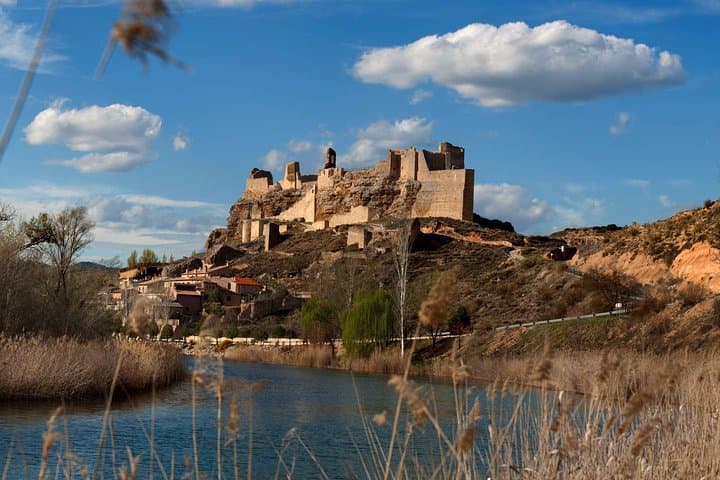
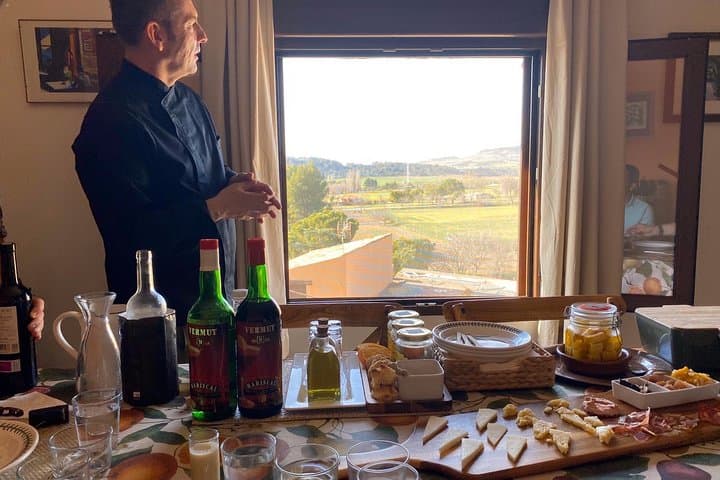
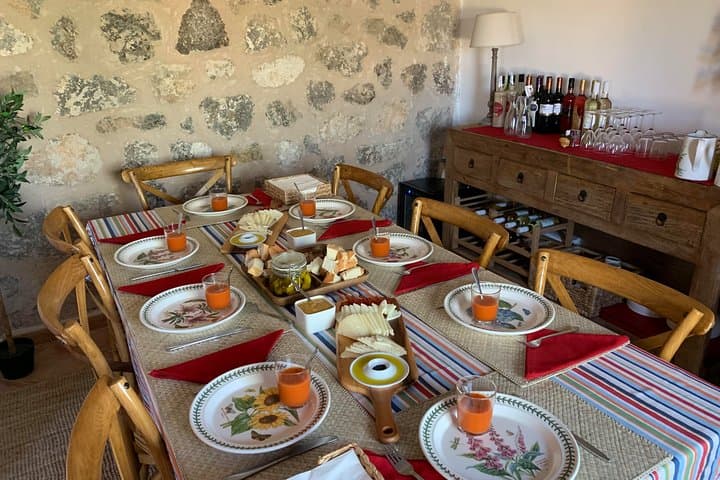
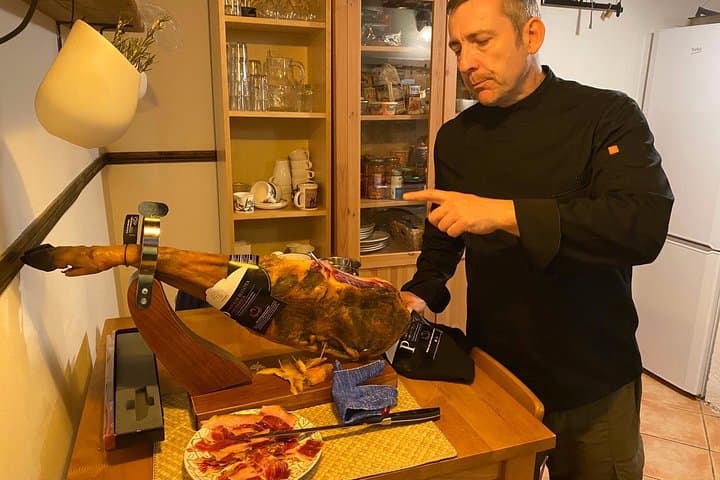
You arrive by air-conditioned minivan and the city noise peels away as the plains of La Mancha open like a page in a travel journal. Olive trees line the road and the Tagus river, when you see it, moves with a low, steady patience that dares you to slow down. Hosts Paul and Ian meet you at a stone house that is part of a Moorish castle dating from the 10th century; their voice is practical, their enthusiasm specific — where to find the best Manchego, which olive press is doing interesting single-varietal oils this season.
You arrive by air-conditioned minivan and the city noise peels away as the plains of La Mancha open like a page in a travel journal. Olive trees line the road and the Tagus river, when you see it, moves with a low, steady patience that dares you to slow down. Hosts Paul and Ian meet you at a stone house that is part of a Moorish castle dating from the 10th century; their voice is practical, their enthusiasm specific — where to find the best Manchego, which olive press is doing interesting single-varietal oils this season.
La Mancha is a landscape of cereal fields, lone cork oaks and medieval watch-posts left over from the Reconquista. Geologically it’s largely sedimentary plateau — broad horizons, limestone outcrops and river-cut valleys where the Tagus has carved riparian pockets. The local culture still centres on farm-to-table production: sheep dairies for Manchego, village bakeries, family-run wineries with small batches.
Expect a balanced day: morning tastings of cheeses, breads and honey; a rustic lunch paired with wines from a nearby cooperative; a guided walk through olive groves and along the river; a short visit inside private castle tunnels for a touch of local history. Practical notes: light walking on uneven paths, shaded picnic spots, and seasonal menus based on what’s fresh.
Bring comfortable shoes, a sun layer, and an appetite for honest food. The tour is paced for curious travelers who want both explanation and quiet time in the countryside — not a museum lecture, but a lived, edible version of La Mancha.