THE ADVENTURE COLLECTIVE® · Independent discovery and booking for outdoor travel

Hand your bucket list to a local and explore Kobe your way—food stalls in Nankinmachi, Ikuta Shrine’s calm, Nunobiki Falls, and panoramic views from Mount Rokko. This private, customizable day tour matches your interests with a like-minded host and flexible pacing.
Hand your bucket list to a local and explore Kobe your way—food stalls in Nankinmachi, Ikuta Shrine’s calm, Nunobiki Falls, and panoramic views from Mount Rokko. This private, customizable day tour matches your interests with a like-minded host and flexible pacing.
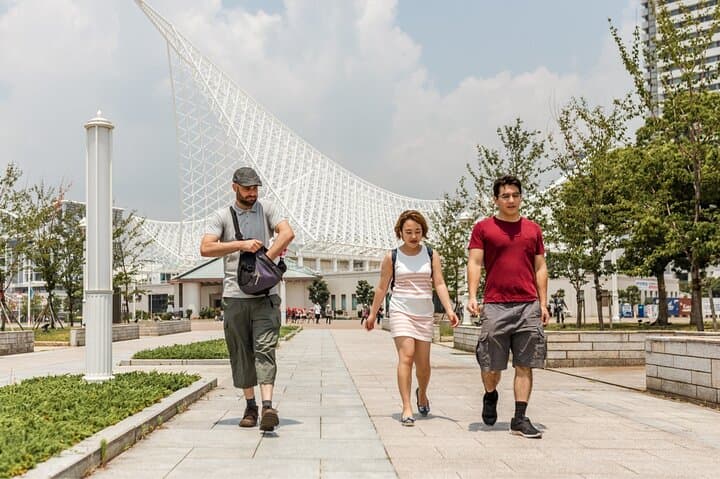
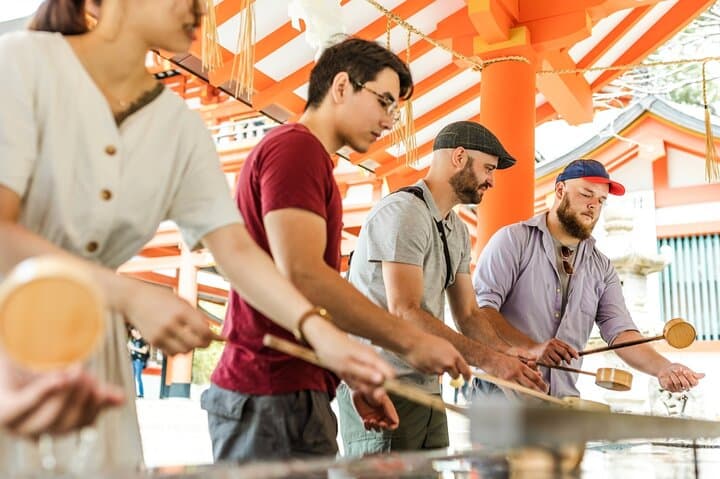
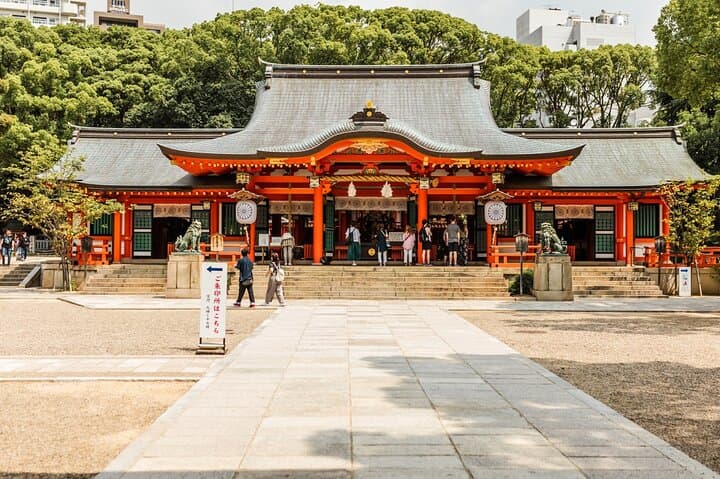
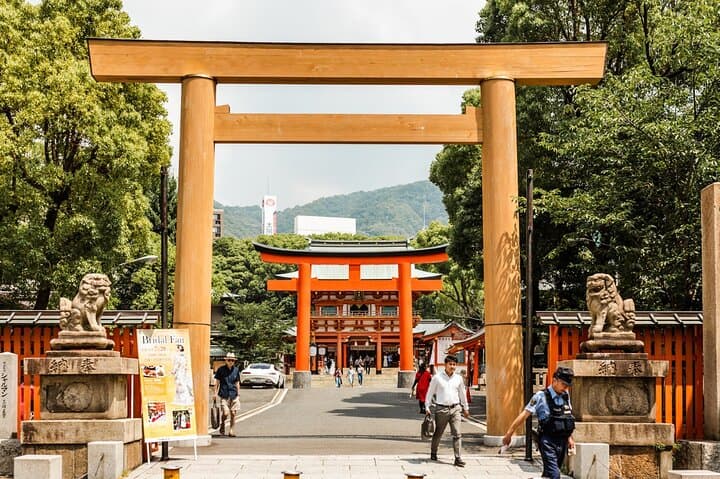
A morning in Kobe begins where the sea smells faintly of salt and soy—Harborland's waterfront paths glint beneath a wake of ferry traffic while your host waits with a map sketched to your interests. The day can move like a slow tasting menu or a fast-paced city sprint: sample street buns in Nankinmachi, pause at Ikuta Shrine to feel centuries of ritual, then climb toward Nunobiki Falls where water seems to dare you down a mossy ledge.
Verified experiences and guided adventures in the surrounding area.
Operated by City Unscripted · Kobe, Hyogo Prefecture
A morning in Kobe begins where the sea smells faintly of salt and soy—Harborland's waterfront paths glint beneath a wake of ferry traffic while your host waits with a map sketched to your interests. The day can move like a slow tasting menu or a fast-paced city sprint: sample street buns in Nankinmachi, pause at Ikuta Shrine to feel centuries of ritual, then climb toward Nunobiki Falls where water seems to dare you down a mossy ledge.
Kobe’s identity was forged after the port opened in 1868, when foreign merchants built the Kitano quarter and shaped a hybrid urban culture that still shows in its cafes and Western-style houses. Geologically, the Rokko range—granite ridges rising behind the city—creates quick microclimates: fog in the morning, clear panoramas at dusk. The 1995 Hanshin-Awaji earthquake is part of the city’s recent history; memorials and the earthquake museum offer sobering context for the rebuilt neighborhoods you’ll pass.
Expect an itinerary tailored to your tempo: culinary stops, short hikes to the herb gardens, or a sake-brewery detour in Nada. Practicalities matter—hosts arrange meeting points, suggest public transit and can accommodate wheelchairs. Bring comfortable shoes, a small daypack, and a charged phone for photos and payments; cash still matters at some stalls. Book with enough lead time to allow your host to prepare an efficient route—Kobe rewards curiosity, and a local guide turns fragments into a coherent day.
easy.
8 hours.
Suitable for most fitness levels; expect several hours of walking and short uphill sections if you include Nunobiki or Rokko.
No—meals and entrance fees are typically paid by guests; hosts can suggest a range of dining options from street food to Kobe beef restaurants.
The host will confirm a central meeting point or can arrange a hotel meet-up in central Kobe on request.
Many city routes are accessible and the operator notes wheelchair and stroller access; let your host know when booking so they can plan accordingly.
Full refund available if canceled at least 24 hours before the scheduled departure; check your booking confirmation for details.
Kobe’s modern shape dates to 1868 when the port opened to foreign trade; Kitano’s Western houses and the city’s multicultural cuisine reflect that era. The 1995 Hanshin-Awaji earthquake also shaped recent urban renewal and memorial sites.
Support local businesses, avoid single-use plastics at food stalls, and stick to marked paths near Nunobiki to limit erosion and protect plantings.
City Unscripted operates guided outdoor trips and adventures with an emphasis on safety, stewardship, and memorable experiences.
A morning in Kobe begins where the sea smells faintly of salt and soy—Harborland's waterfront paths glint beneath a wake of ferry traffic while your host waits with a map sketched to your interests. The day can move like a slow tasting menu or a fast-paced city sprint: sample street buns in Nankinmachi, pause at Ikuta Shrine to feel centuries of ritual, then climb toward Nunobiki Falls where water seems to dare you down a mossy ledge.
A morning in Kobe begins where the sea smells faintly of salt and soy—Harborland's waterfront paths glint beneath a wake of ferry traffic while your host waits with a map sketched to your interests. The day can move like a slow tasting menu or a fast-paced city sprint: sample street buns in Nankinmachi, pause at Ikuta Shrine to feel centuries of ritual, then climb toward Nunobiki Falls where water seems to dare you down a mossy ledge.
Kobe’s identity was forged after the port opened in 1868, when foreign merchants built the Kitano quarter and shaped a hybrid urban culture that still shows in its cafes and Western-style houses. Geologically, the Rokko range—granite ridges rising behind the city—creates quick microclimates: fog in the morning, clear panoramas at dusk. The 1995 Hanshin-Awaji earthquake is part of the city’s recent history; memorials and the earthquake museum offer sobering context for the rebuilt neighborhoods you’ll pass.
Expect an itinerary tailored to your tempo: culinary stops, short hikes to the herb gardens, or a sake-brewery detour in Nada. Practicalities matter—hosts arrange meeting points, suggest public transit and can accommodate wheelchairs. Bring comfortable shoes, a small daypack, and a charged phone for photos and payments; cash still matters at some stalls. Book with enough lead time to allow your host to prepare an efficient route—Kobe rewards curiosity, and a local guide turns fragments into a coherent day.