THE ADVENTURE COLLECTIVE® · Independent discovery and booking for outdoor travel

A private half- or full-day driving tour that stitches Old Dubai’s Creek-side markets to the modern skyline. Expect photo stops, an Abra crossing, and guided time in the gold and textile souks.
A private half- or full-day driving tour that stitches Old Dubai’s Creek-side markets to the modern skyline. Expect photo stops, an Abra crossing, and guided time in the gold and textile souks.
You step out of a cooled vehicle into a city that moves at two speeds: the low, patient rhythm of the creek and the vertigo of glass towers. The tour threads Old Dubai’s narrow lanes and spice-scented souks with sudden exposures to the Burj Khalifa and the Marina skyline, pausing for photos, short walks, and the half-hour gold- and textile-market visits that define the route.
Verified experiences and guided adventures in the surrounding area.
Operated by Abdullah · Dubai, Dubai
You step out of a cooled vehicle into a city that moves at two speeds: the low, patient rhythm of the creek and the vertigo of glass towers. The tour threads Old Dubai’s narrow lanes and spice-scented souks with sudden exposures to the Burj Khalifa and the Marina skyline, pausing for photos, short walks, and the half-hour gold- and textile-market visits that define the route.
Geology here is plain: a flat coastal shelf rising from the Arabian Gulf and a desert hinterland that shaped settlement and trade. Historically Dubai grew from a fishing and pearling community on the Creek into a modern trading hub; the Abra crossing still recalls that era while the skyline shows the result of 20th- and 21st-century ambition. Culture is pragmatic and conservative—expect courteous formality, gender-aware dress norms, and animated bargaining in the markets.
The private format means timed stops at landmark viewpoints, a traditional Abra crossing, and time to wander a market with a guide explaining goods and customs. Practical notes: start early to avoid heat and crowds, wear breathable, respectful clothing, and bring comfortable shoes for uneven souk floors. Hydration is essential—bottled water is provided, but refill and sip regularly in summer.
For photographers, the light shifts quickly between shaded alleys and reflective towers—plan golden-hour shots at the Marina or the Creek. This tour is a compact primer on Dubai’s contrasts: trade routes and towers, wooden boats and mega-yachts, and the steady human pulse that connects them.
moderate.
3–8 hours.
Moderate fitness for short walks on uneven surfaces; must be able to climb steps and stand for 20–30 minute market visits.
Yes—private transportation is included; booking requires you to specify a pickup point and flight or arrival details if relevant.
The tour includes a traditional Abra crossing; most photo stops and market walks are included, but specific paid museum admissions are not stated as included.
Infant seats are available and families are welcome, but the tour involves walking and busy markets—consider the child’s tolerance for crowds and heat.
Full refunds are available if you cancel at least 24 hours before departure; within 24 hours the booking is nonrefundable.
Dubai began as a Creekside fishing and pearling settlement; its location on the water made it a trading node that later enabled rapid 20th-century urban development.
Urban tourism puts pressure on water and energy resources—choose refillable bottles, avoid single-use plastics, and stick to guided paths in heritage areas to reduce wear.
Abdullah operates guided outdoor trips and adventures with an emphasis on safety, stewardship, and memorable experiences.
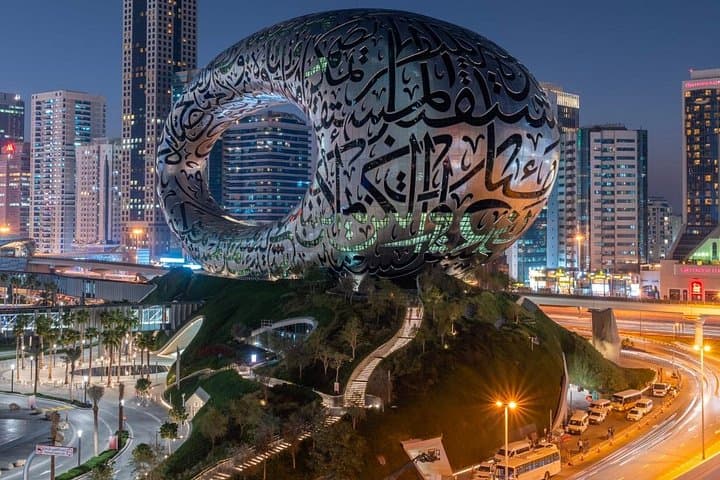
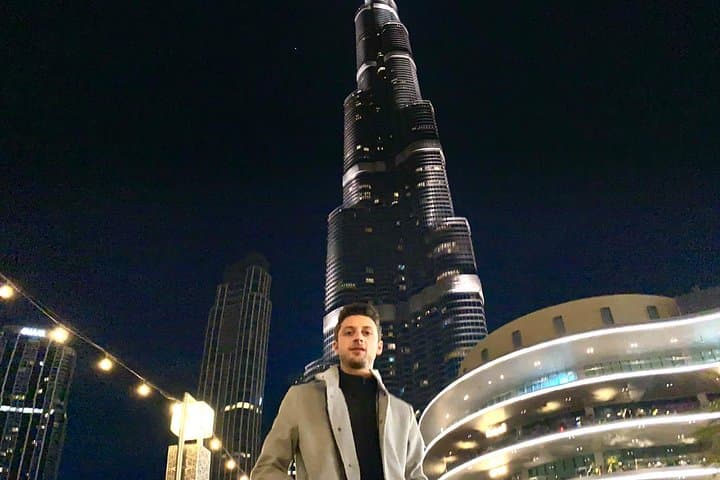
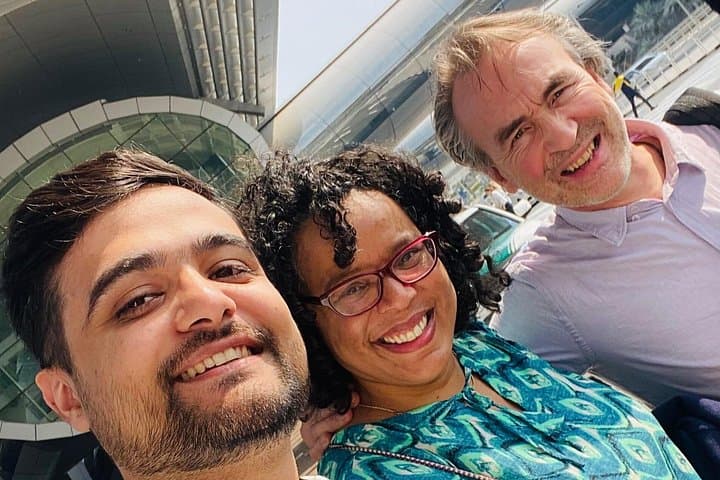
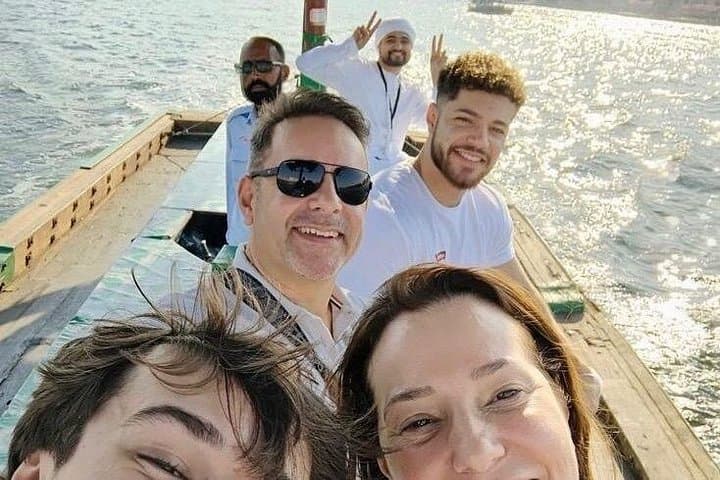
You step out of a cooled vehicle into a city that moves at two speeds: the low, patient rhythm of the creek and the vertigo of glass towers. The tour threads Old Dubai’s narrow lanes and spice-scented souks with sudden exposures to the Burj Khalifa and the Marina skyline, pausing for photos, short walks, and the half-hour gold- and textile-market visits that define the route.
You step out of a cooled vehicle into a city that moves at two speeds: the low, patient rhythm of the creek and the vertigo of glass towers. The tour threads Old Dubai’s narrow lanes and spice-scented souks with sudden exposures to the Burj Khalifa and the Marina skyline, pausing for photos, short walks, and the half-hour gold- and textile-market visits that define the route.
Geology here is plain: a flat coastal shelf rising from the Arabian Gulf and a desert hinterland that shaped settlement and trade. Historically Dubai grew from a fishing and pearling community on the Creek into a modern trading hub; the Abra crossing still recalls that era while the skyline shows the result of 20th- and 21st-century ambition. Culture is pragmatic and conservative—expect courteous formality, gender-aware dress norms, and animated bargaining in the markets.
The private format means timed stops at landmark viewpoints, a traditional Abra crossing, and time to wander a market with a guide explaining goods and customs. Practical notes: start early to avoid heat and crowds, wear breathable, respectful clothing, and bring comfortable shoes for uneven souk floors. Hydration is essential—bottled water is provided, but refill and sip regularly in summer.
For photographers, the light shifts quickly between shaded alleys and reflective towers—plan golden-hour shots at the Marina or the Creek. This tour is a compact primer on Dubai’s contrasts: trade routes and towers, wooden boats and mega-yachts, and the steady human pulse that connects them.