THE ADVENTURE COLLECTIVE® · Independent discovery and booking for outdoor travel

Explore Berlin on a self-guided scavenger hunt that mixes puzzles with compact local history. Spend 2–3 hours wandering major sights at your pace while an app guides clues, context, and directions.
Explore Berlin on a self-guided scavenger hunt that mixes puzzles with compact local history. Spend 2–3 hours wandering major sights at your pace while an app guides clues, context, and directions.
You start on a broad boulevard, the Spree nudging the city forward as trams hum and brick façades watch. The app pings with the first riddle; a statue dares you to look closer, a square asks you to remember why it changed. Walking this self-guided scavenger hunt, the city becomes a sequence of prompts — history in pockets, street-level geology in cobblestones, and postwar architecture sliding into contemporary façades.
Verified experiences and guided adventures in the surrounding area.
Operated by World City Trail - Berlin · Berlin, Berlin
You start on a broad boulevard, the Spree nudging the city forward as trams hum and brick façades watch. The app pings with the first riddle; a statue dares you to look closer, a square asks you to remember why it changed. Walking this self-guided scavenger hunt, the city becomes a sequence of prompts — history in pockets, street-level geology in cobblestones, and postwar architecture sliding into contemporary façades.
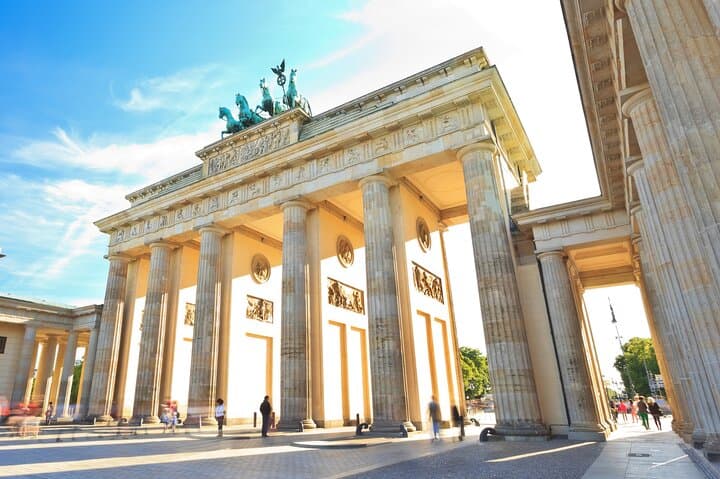
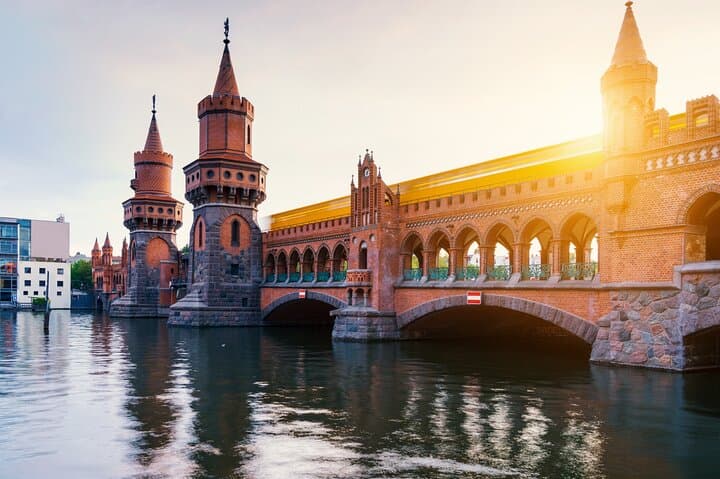
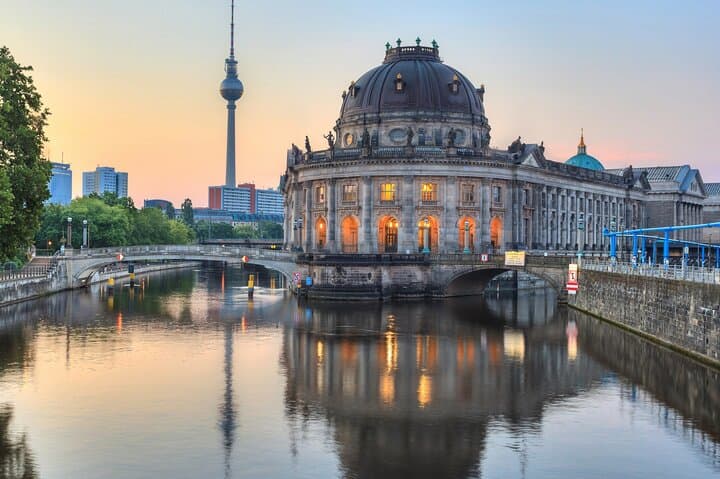
Berlin's story is visible: Prussian boulevards, Cold War scars along the former Wall, and gritty creative districts that reclaimed industrial ground. The scavenger hunt threads through cultural touchstones — memorials, plazas, and riverfronts — and layers context into each stop with concise, multilingual notes. Geology here is urban: glacial deposits shaped the Spree valley, while limestone and red brick tell the tale of rapid 19th-century growth.
As you move from one clue to the next, expect lively streets, café shutters, and pockets of green where locals walk dogs or picnic. The experience is low-impact and flexible — families, students, and teams can set the pace. Practical bits: plan for 2–3 hours, start early to avoid crowds, and use public transit to reach the route. Keep a charged phone for the World City Trail app and offline maps; a portable battery can be the difference between finishing the final riddle or stopping mid-clue.
This tour balances local color, compact history, and clear logistics: an urban walk that teaches while it challenges, leaving you with mapped discoveries and a keener sense of how Berlin rebuilt and continues to reinvent itself.
easy.
2–3 hours.
Suitable for most fitness levels; requires steady walking for a few hours with short breaks
Yes — download the World City Trail app and the Berlin route in advance, then ensure the app has permission to use location services.
Most streets and squares on the route are accessible and public transport nearby is wheelchair-friendly, but check individual POIs for step-free access.
Yes — the self-guided format allows you to stop and continue; points are saved in the app so you can resume where you left off.
No — this tour focuses on outdoor sights and in-app content; any paid museum entries are optional and not covered.
Berlin's urban fabric reflects 19th-century expansion, wartime destruction, Cold War division, and late-20th-century reunification — the route highlights key moments and sites.
Stick to pedestrian paths and local waste bins; many neighborhoods promote low-impact tourism and support cultural preservation initiatives.
World City Trail - Berlin operates guided outdoor trips and adventures with an emphasis on safety, stewardship, and memorable experiences.
You start on a broad boulevard, the Spree nudging the city forward as trams hum and brick façades watch. The app pings with the first riddle; a statue dares you to look closer, a square asks you to remember why it changed. Walking this self-guided scavenger hunt, the city becomes a sequence of prompts — history in pockets, street-level geology in cobblestones, and postwar architecture sliding into contemporary façades.
You start on a broad boulevard, the Spree nudging the city forward as trams hum and brick façades watch. The app pings with the first riddle; a statue dares you to look closer, a square asks you to remember why it changed. Walking this self-guided scavenger hunt, the city becomes a sequence of prompts — history in pockets, street-level geology in cobblestones, and postwar architecture sliding into contemporary façades.
Berlin's story is visible: Prussian boulevards, Cold War scars along the former Wall, and gritty creative districts that reclaimed industrial ground. The scavenger hunt threads through cultural touchstones — memorials, plazas, and riverfronts — and layers context into each stop with concise, multilingual notes. Geology here is urban: glacial deposits shaped the Spree valley, while limestone and red brick tell the tale of rapid 19th-century growth.
As you move from one clue to the next, expect lively streets, café shutters, and pockets of green where locals walk dogs or picnic. The experience is low-impact and flexible — families, students, and teams can set the pace. Practical bits: plan for 2–3 hours, start early to avoid crowds, and use public transit to reach the route. Keep a charged phone for the World City Trail app and offline maps; a portable battery can be the difference between finishing the final riddle or stopping mid-clue.
This tour balances local color, compact history, and clear logistics: an urban walk that teaches while it challenges, leaving you with mapped discoveries and a keener sense of how Berlin rebuilt and continues to reinvent itself.