THE ADVENTURE COLLECTIVE® · Independent discovery and booking for outdoor travel

Spend a relaxed 3–4 hours exploring Chapultepec’s four sections by foot and Cablebús, from Nezahualcóyotl Fountain to the Cárcamo de Dolores. This easy-paced, private tour blends urban history, public art, and a surprising bird refuge in the heart of Mexico City.
Spend a relaxed 3–4 hours exploring Chapultepec’s four sections by foot and Cablebús, from Nezahualcóyotl Fountain to the Cárcamo de Dolores. This easy-paced, private tour blends urban history, public art, and a surprising bird refuge in the heart of Mexico City.
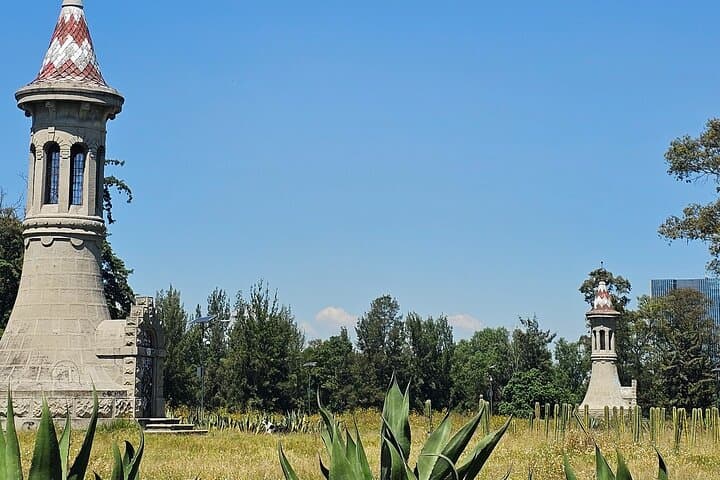
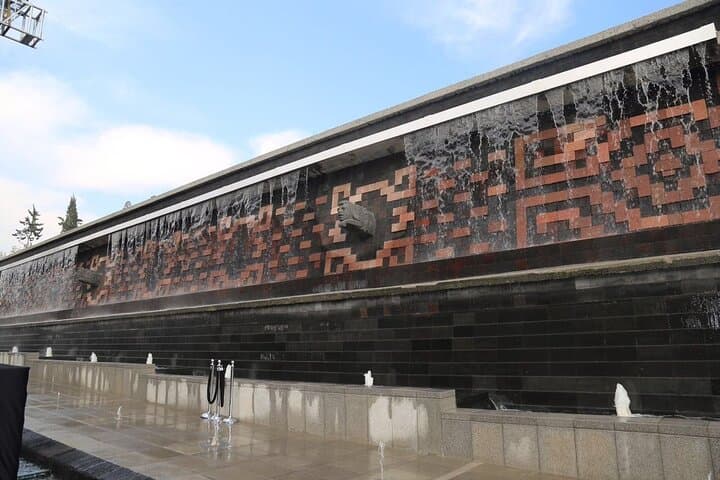
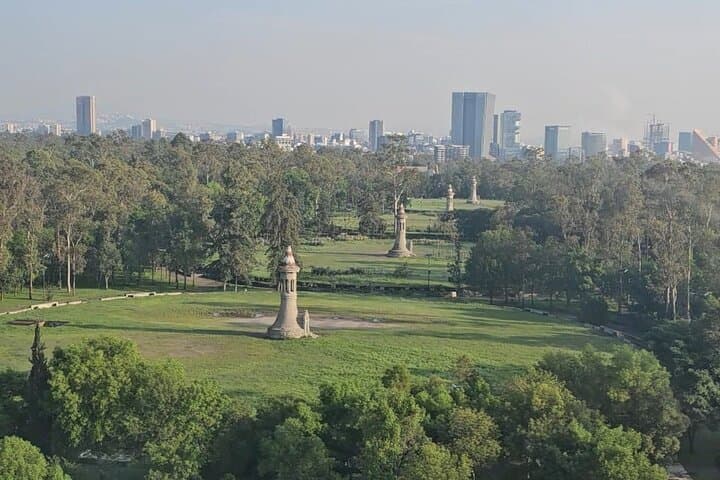
The guide meets the park at first light: a ribbon of pavement through tall stone pines, the city muffled beyond the canopy. Small crowds thin as the route slips into the 1st Section and the Nezahualcóyotl Fountain appears, concrete and water shaping a civic story. Later the Cablebús lifts the group above neighborhoods, delivering a new angle on the four sections of Chapultepec and the patchwork of lakes and monuments below.
Verified experiences and guided adventures in the surrounding area.
Operated by Takeshi S. · Mexico City, Ciudad de México
The guide meets the park at first light: a ribbon of pavement through tall stone pines, the city muffled beyond the canopy. Small crowds thin as the route slips into the 1st Section and the Nezahualcóyotl Fountain appears, concrete and water shaping a civic story. Later the Cablebús lifts the group above neighborhoods, delivering a new angle on the four sections of Chapultepec and the patchwork of lakes and monuments below.
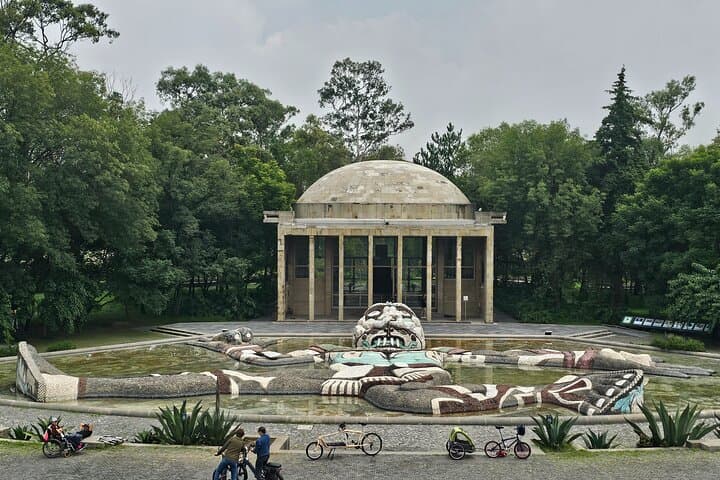
Chapultepec began as a strategic hill—its Nahuatl name means "hill of the grasshoppers"—and the park evolved through pre-Hispanic lakes, colonial gardens, and 19th–20th century national projects. Sculpted fountains, Olmec-referencing monoliths, and Diego Rivera’s late-era Tlaloc Fountain mark layers of identity; the Cárcamo de Dolores holds Mexico’s rare underwater mural and explains the city’s hydraulic past. Geologically this is a remnant upland inside the Basin of Mexico, landscaped into four distinct public sections that offer both formal plazas and naturalized bird reserves.
Practical edge: expect 3–4 hours of easy walking over paved and compacted paths with short inclines, plentiful restrooms, and public-transport access (Cablebús and nearby metro lines). Wear supportive shoes, bring a refillable water bottle, and plan for changing light under the trees. The group pace favors explanation over speed—ideal for observers and photographers.
Respect wildlife and monuments, carry small cash for incidental purchases, and confirm whether museum entries are included when booking. This is a calm urban immersion that reads like a city hike—quiet pockets of wild in the heart of Mexico City.
easy.
3–4 hours.
Light walking fitness; ability to stand and stroll for a few hours and negotiate short paved inclines.
Not all entries are included—confirm with the operator which sites require separate tickets, especially for Cárcamo de Dolores.
The tour is mostly on paved, gently sloping paths with occasional short stair sections; it’s suitable for most fitness levels.
Yes—the itinerary includes Cablebús access and is close to metro lines; public transit options are noted by the operator.
Yes—there are public restrooms in several sections and the tour notes on-board restroom access for transport segments.
Chapultepec has been a strategic and cultural site since pre-Hispanic times and later became a national park shaped by 19th–20th century civic projects and public art.
The park balances heavy urban use with protected bird reserves; stay on marked paths, avoid feeding wildlife, and carry out trash to help preserve habitats.
Takeshi S. operates guided outdoor trips and adventures with an emphasis on safety, stewardship, and memorable experiences.
The guide meets the park at first light: a ribbon of pavement through tall stone pines, the city muffled beyond the canopy. Small crowds thin as the route slips into the 1st Section and the Nezahualcóyotl Fountain appears, concrete and water shaping a civic story. Later the Cablebús lifts the group above neighborhoods, delivering a new angle on the four sections of Chapultepec and the patchwork of lakes and monuments below.
The guide meets the park at first light: a ribbon of pavement through tall stone pines, the city muffled beyond the canopy. Small crowds thin as the route slips into the 1st Section and the Nezahualcóyotl Fountain appears, concrete and water shaping a civic story. Later the Cablebús lifts the group above neighborhoods, delivering a new angle on the four sections of Chapultepec and the patchwork of lakes and monuments below.
Chapultepec began as a strategic hill—its Nahuatl name means "hill of the grasshoppers"—and the park evolved through pre-Hispanic lakes, colonial gardens, and 19th–20th century national projects. Sculpted fountains, Olmec-referencing monoliths, and Diego Rivera’s late-era Tlaloc Fountain mark layers of identity; the Cárcamo de Dolores holds Mexico’s rare underwater mural and explains the city’s hydraulic past. Geologically this is a remnant upland inside the Basin of Mexico, landscaped into four distinct public sections that offer both formal plazas and naturalized bird reserves.
Practical edge: expect 3–4 hours of easy walking over paved and compacted paths with short inclines, plentiful restrooms, and public-transport access (Cablebús and nearby metro lines). Wear supportive shoes, bring a refillable water bottle, and plan for changing light under the trees. The group pace favors explanation over speed—ideal for observers and photographers.
Respect wildlife and monuments, carry small cash for incidental purchases, and confirm whether museum entries are included when booking. This is a calm urban immersion that reads like a city hike—quiet pockets of wild in the heart of Mexico City.