THE ADVENTURE COLLECTIVE® · Independent discovery and booking for outdoor travel

Drive a compact route through Georgia’s ancient Christian sites, from Tbilisi to Kakheti, Gelati and Uplistsikhe. Expect short walks over uneven stone, private transport, and immersive encounters with centuries-old churches and local traditions.
Drive a compact route through Georgia’s ancient Christian sites, from Tbilisi to Kakheti, Gelati and Uplistsikhe. Expect short walks over uneven stone, private transport, and immersive encounters with centuries-old churches and local traditions.
You step out of the air-conditioned van and the light on the stone church looks colder than the air; the Kura River below dares you to cross into the older world. This 8-day route threads eastern and western Georgia — from Tbilisi’s layered neighborhoods to the hilltop Jvari Monastery and the rock-cut rooms of Uplistsikhe — each church a quiet actor on an uneven stage of limestone and clay.
Verified experiences and guided adventures in the surrounding area.
Operated by SelectGeorgia-For Holiday · Tbilisi, Tbilisi
You step out of the air-conditioned van and the light on the stone church looks colder than the air; the Kura River below dares you to cross into the older world. This 8-day route threads eastern and western Georgia — from Tbilisi’s layered neighborhoods to the hilltop Jvari Monastery and the rock-cut rooms of Uplistsikhe — each church a quiet actor on an uneven stage of limestone and clay.
Georgia’s churches trace the country’s early Christian legacy, with Bolnisi Sioni dating to the 5th century and Gelati’s 12th-century mosaics speaking to a medieval golden age. Geologically, the Greater Caucasus and foothills offer limestone pillars and river-cut terraces; the Katskhi pillar rises like a deliberate punctuation mark above a small valley. Culturally, expect Orthodox rituals, local wine traditions in Kakheti, and communities where faith and daily life remain closely knotted.
Practical guidance: this is a private, multi-day driving itinerary with daily transfers of one to several hours; travel is by air-conditioned vehicle with onboard Wi‑Fi and bottled water provided. Walks at sites are generally short but over uneven stone and rock-hewn steps — modest dress is required for churches. Best times are late spring through early fall for stable weather; winters are cold and some rural roads can be hazardous. Carry local currency for small purchases, bring a compact rain shell and sturdy walking shoes, and allow time for unplanned stops — a village bakery or a viewpoint can be as memorable as the scheduled monuments.
easy.
8 days.
Suitable for most fitness levels; you should be comfortable with short walks of 10–40 minutes over uneven terrain.
The itinerary notes admission as 'not applicable' for many sites; check with the operator about specific entrance fees for museums or guided interiors that may not be included.
Yes — it’s a private tour available for solo travelers, with private transportation and hotel accommodation arranged each night.
Expect daily transfers that vary from short 30–60 minute drives to longer stretches of two to four hours to reach western or eastern sites.
Yes; modest dress is customary — shoulders and knees should be covered, and men and women may be asked to remove hats indoors.
Many churches on this route date from the early medieval period; Bolnisi Sioni (5th century) and Gelati (1106) reflect Georgia’s early adoption of Christianity and medieval cultural flowering.
Several sites are UNESCO-listed or protected; visitors should stick to marked paths, avoid touching ancient frescoes and support local conservation fees where required.
SelectGeorgia-For Holiday operates guided outdoor trips and adventures with an emphasis on safety, stewardship, and memorable experiences.
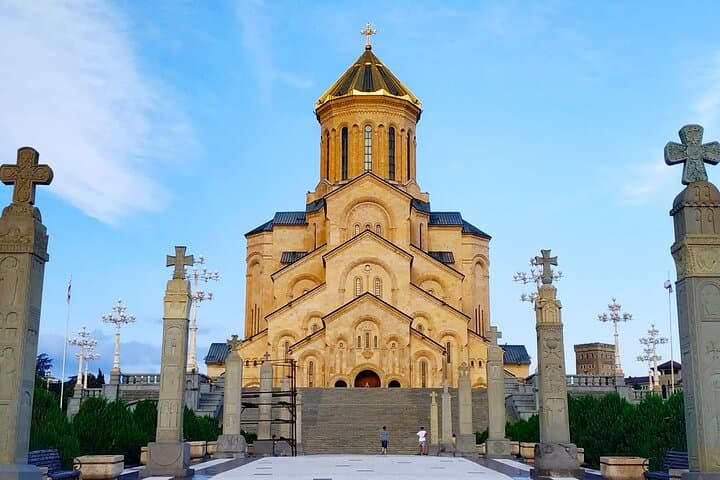
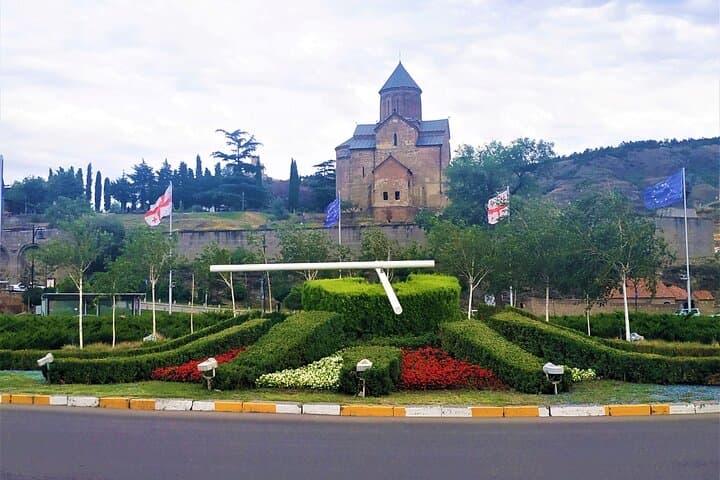
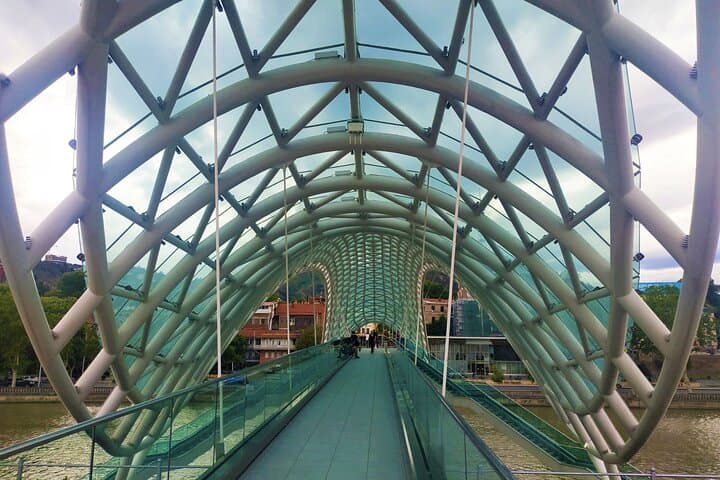
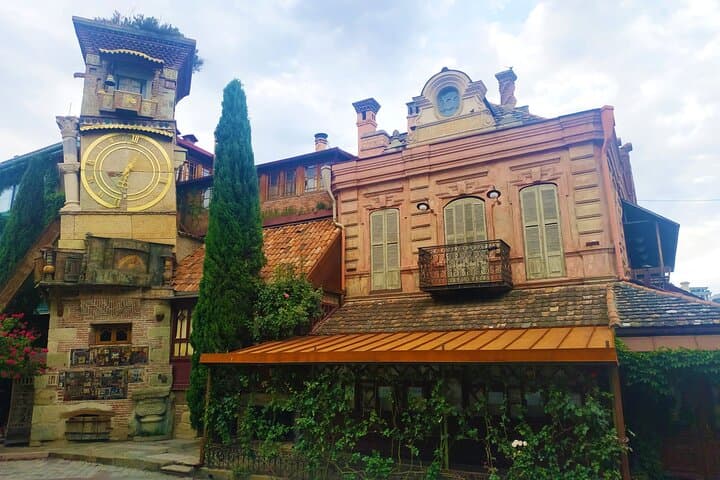
You step out of the air-conditioned van and the light on the stone church looks colder than the air; the Kura River below dares you to cross into the older world. This 8-day route threads eastern and western Georgia — from Tbilisi’s layered neighborhoods to the hilltop Jvari Monastery and the rock-cut rooms of Uplistsikhe — each church a quiet actor on an uneven stage of limestone and clay.
You step out of the air-conditioned van and the light on the stone church looks colder than the air; the Kura River below dares you to cross into the older world. This 8-day route threads eastern and western Georgia — from Tbilisi’s layered neighborhoods to the hilltop Jvari Monastery and the rock-cut rooms of Uplistsikhe — each church a quiet actor on an uneven stage of limestone and clay.
Georgia’s churches trace the country’s early Christian legacy, with Bolnisi Sioni dating to the 5th century and Gelati’s 12th-century mosaics speaking to a medieval golden age. Geologically, the Greater Caucasus and foothills offer limestone pillars and river-cut terraces; the Katskhi pillar rises like a deliberate punctuation mark above a small valley. Culturally, expect Orthodox rituals, local wine traditions in Kakheti, and communities where faith and daily life remain closely knotted.
Practical guidance: this is a private, multi-day driving itinerary with daily transfers of one to several hours; travel is by air-conditioned vehicle with onboard Wi‑Fi and bottled water provided. Walks at sites are generally short but over uneven stone and rock-hewn steps — modest dress is required for churches. Best times are late spring through early fall for stable weather; winters are cold and some rural roads can be hazardous. Carry local currency for small purchases, bring a compact rain shell and sturdy walking shoes, and allow time for unplanned stops — a village bakery or a viewpoint can be as memorable as the scheduled monuments.