THE ADVENTURE COLLECTIVE® · Independent discovery and booking for outdoor travel

Walk Charleston’s streets with a chef-guide, trace the Lowcountry’s culinary lineage and finish with a cooking demo and wine-paired lunch. Ideal for food-minded travelers who want history with their tastebuds.
Walk Charleston’s streets with a chef-guide, trace the Lowcountry’s culinary lineage and finish with a cooking demo and wine-paired lunch. Ideal for food-minded travelers who want history with their tastebuds.
You meet at the Pineapple Fountain in Waterfront Park as the harbor breeze dares you to slow down. The city smells of salt, frying shrimp, and the citrus that appears in Lowcountry kitchens; oak-lined streets open onto brick alleys and the Battery, where each step presses into four centuries of trade, labor and flavor.
Verified experiences and guided adventures in the surrounding area.
Operated by Undiscovered Charleston · Charleston, South Carolina
You meet at the Pineapple Fountain in Waterfront Park as the harbor breeze dares you to slow down. The city smells of salt, frying shrimp, and the citrus that appears in Lowcountry kitchens; oak-lined streets open onto brick alleys and the Battery, where each step presses into four centuries of trade, labor and flavor.
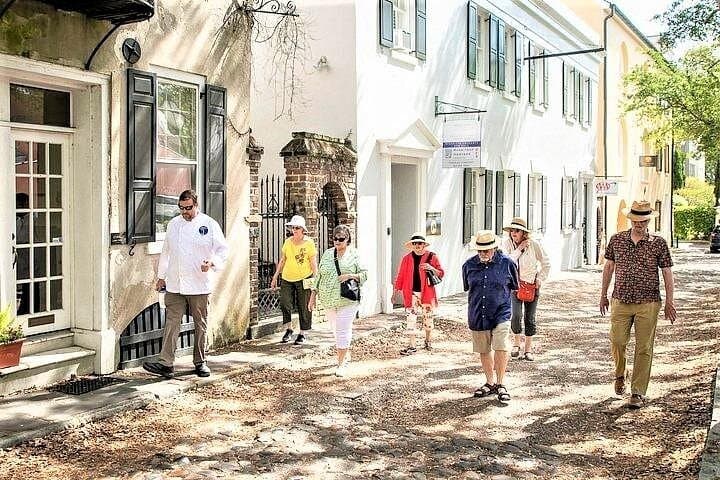
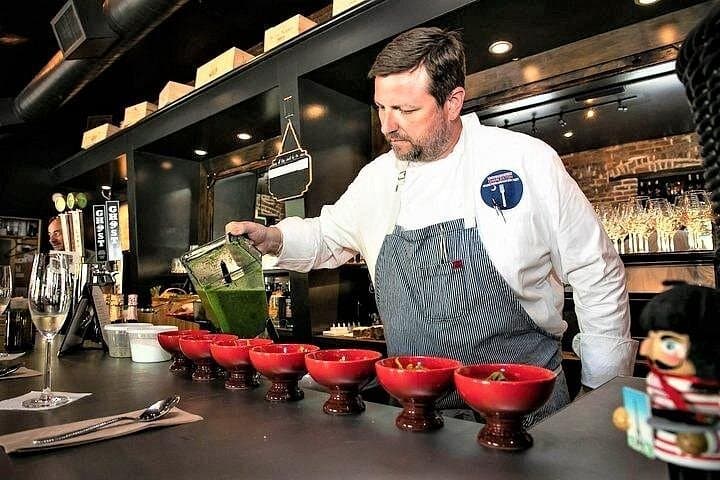
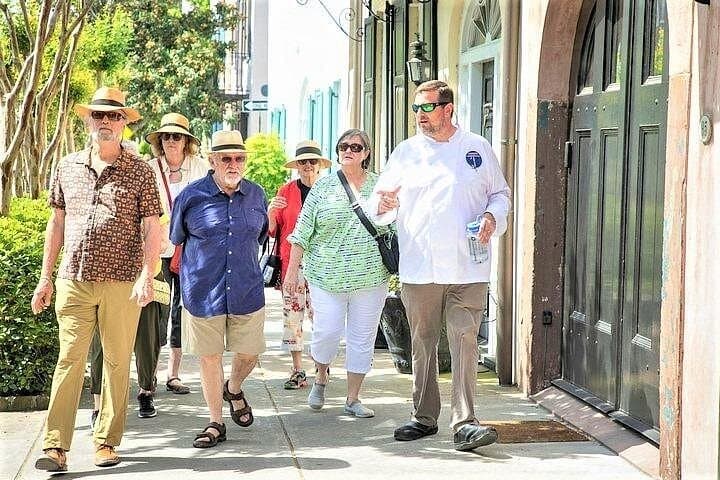
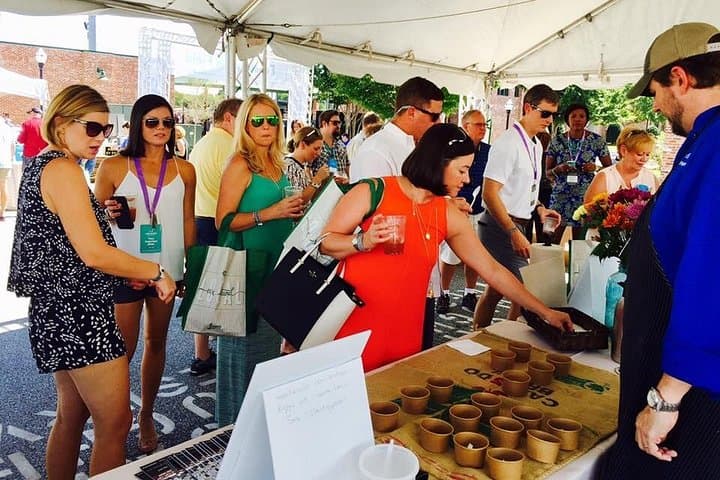
This half-day experience pairs a 90-minute walking tour of Charleston’s historic district with a chef-led cooking demonstration and a three-course lunch with wine pairings at Bistro a Vin. The walk covers roughly 1.5–2 miles of mostly flat, paved streets and occasional cobblestone, with negligible elevation gain. Expect stops at well-known plazas and quieter corners where Gullah and colonial foodways intersect—enslaved cooks, West African techniques and coastal ingredients shaped the city’s menus, and Chef Forrest Parker interprets that history through practical cooking and tasting.
Geologically, Charleston sits on the Atlantic Coastal Plain; tides and marshes shaped the food culture as much as trade routes did. Culturally, the tour balances landmark storytelling with culinary context: how rice, shellfish, and garden herbs became Lowcountry identity.
Practical guidance: wear comfortable walking shoes that handle uneven brick, bring sun protection and a refillable water bottle, and factor in humidity during summer. The route is stroller-accessible in most sections but includes narrow sidewalks. If you have food allergies or special diets, notify the guide ahead—Chef Parker accommodates common needs when informed in advance. Plan to arrive 10 minutes early for check-in at the fountain and bring your ticket (mobile or paper).
moderate.
4 hours.
Moderate fitness—able to walk 1.5–2 miles on paved or uneven surfaces and stand during a cooking demo.
The guided walking tour runs about 90 minutes and covers roughly 1.5–2 miles on mostly flat, paved streets with some cobblestone.
Yes—lunch and wine pairings at Bistro a Vin are included, and non-alcoholic options like Charleston sweet tea and water are available.
Yes, Chef Forrest accommodates many common dietary needs if notified in advance; message the operator with specifics before your tour.
Meet at the Pineapple Fountain in Waterfront Park; guests must be 21+ for wine service, though older teenagers may attend with parents.
Charleston’s cuisine reflects four centuries of exchange—Indigenous ingredients, West African techniques, European trade and enslaved chefs who helped create dishes that define Lowcountry food.
The Lowcountry’s marshes and tidal systems are sensitive; stick to marked paths, avoid disturbing marsh edges and support restaurants that source local, sustainable seafood.
Undiscovered Charleston operates guided outdoor trips and adventures with an emphasis on safety, stewardship, and memorable experiences.
You meet at the Pineapple Fountain in Waterfront Park as the harbor breeze dares you to slow down. The city smells of salt, frying shrimp, and the citrus that appears in Lowcountry kitchens; oak-lined streets open onto brick alleys and the Battery, where each step presses into four centuries of trade, labor and flavor.
You meet at the Pineapple Fountain in Waterfront Park as the harbor breeze dares you to slow down. The city smells of salt, frying shrimp, and the citrus that appears in Lowcountry kitchens; oak-lined streets open onto brick alleys and the Battery, where each step presses into four centuries of trade, labor and flavor.
This half-day experience pairs a 90-minute walking tour of Charleston’s historic district with a chef-led cooking demonstration and a three-course lunch with wine pairings at Bistro a Vin. The walk covers roughly 1.5–2 miles of mostly flat, paved streets and occasional cobblestone, with negligible elevation gain. Expect stops at well-known plazas and quieter corners where Gullah and colonial foodways intersect—enslaved cooks, West African techniques and coastal ingredients shaped the city’s menus, and Chef Forrest Parker interprets that history through practical cooking and tasting.
Geologically, Charleston sits on the Atlantic Coastal Plain; tides and marshes shaped the food culture as much as trade routes did. Culturally, the tour balances landmark storytelling with culinary context: how rice, shellfish, and garden herbs became Lowcountry identity.
Practical guidance: wear comfortable walking shoes that handle uneven brick, bring sun protection and a refillable water bottle, and factor in humidity during summer. The route is stroller-accessible in most sections but includes narrow sidewalks. If you have food allergies or special diets, notify the guide ahead—Chef Parker accommodates common needs when informed in advance. Plan to arrive 10 minutes early for check-in at the fountain and bring your ticket (mobile or paper).