THE ADVENTURE COLLECTIVE® · Independent discovery and booking for outdoor travel

Explore wrecks, reefs and caves off Negombo’s coast where sunken aircraft and dense reef life await. This dive experience suits a range of abilities and highlights Sri Lanka’s west-coast marine diversity.
Explore wrecks, reefs and caves off Negombo’s coast where sunken aircraft and dense reef life await. This dive experience suits a range of abilities and highlights Sri Lanka’s west-coast marine diversity.
The boat slips away from Negombo's harbor and the coastline thins into blue: shallow reefs give way to rubble, then to the sudden geometry of a wreck sitting on the sand. Salted breeze brushes your face and the engine's rhythm becomes a promise — the ocean will reveal its stories.
Verified experiences and guided adventures in the surrounding area.
Operated by ZRI Adventures · Negombo, Western Province
The boat slips away from Negombo's harbor and the coastline thins into blue: shallow reefs give way to rubble, then to the sudden geometry of a wreck sitting on the sand. Salted breeze brushes your face and the engine's rhythm becomes a promise — the ocean will reveal its stories.
Negombo's coast is shaped by shallow carbonate shelves and strong historical currents. Portuguese, Dutch and British eras left more than forts and canals; wartime and trading losses created wrecks that now host soft corals and dense schools of fish. Geologically the floor alternates between coral outcrops and sandy corridors that funnel life and visibility.
Locals keep a practical diving culture: simple boats, careful briefings and an eye for macro subjects as much as big fauna. Popular sites — Diyamba Gala, Lobster Reef, Mutian Gala with its sunken British fighter, Barracuda Point — offer a mix of reef structure, caves and pelagic encounters.
Expect dives that vary from shallow 10–18 m reef swims to deeper 25–30 m wreck or aircraft inspections; currents can push you along gutters where barracuda and schooling fish gather. Visibility ranges seasonally, best December–April when seas calm.
Practical side: bring a well-fitting mask, confirm certification level with the operator, and plan surface intervals if you're doing two tanks. Hydrate before boarding and apply reef-safe sunscreen. Operators typically supply basic scuba gear, but a personal dive computer and SMB make dives safer and more comfortable.
Negombo delivers straightforward, rewarding dives — an accessible entry to Sri Lanka's growing wreck and reef scene with plenty of small surprises for photographers and curious divers alike.
moderate.
3 hours.
Comfortable in the water; able to swim and manage basic scuba tasks. Not recommended for people with major cardiovascular or spinal issues.
Operators accept certified divers and often offer guided Discover Scuba sessions for first-timers; check the booking details before arrival.
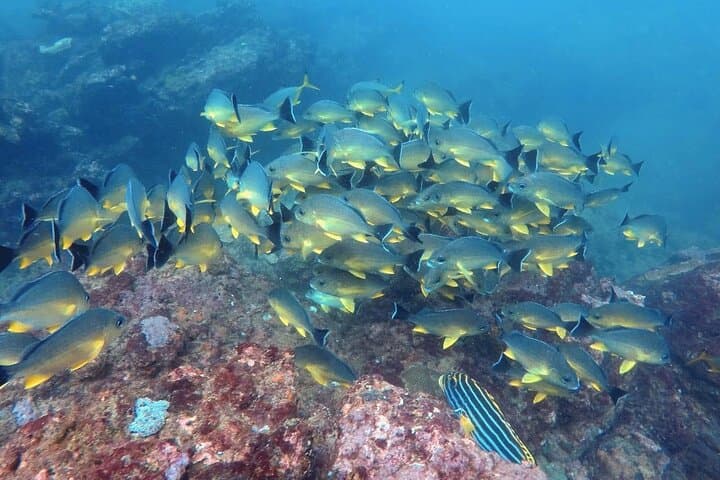
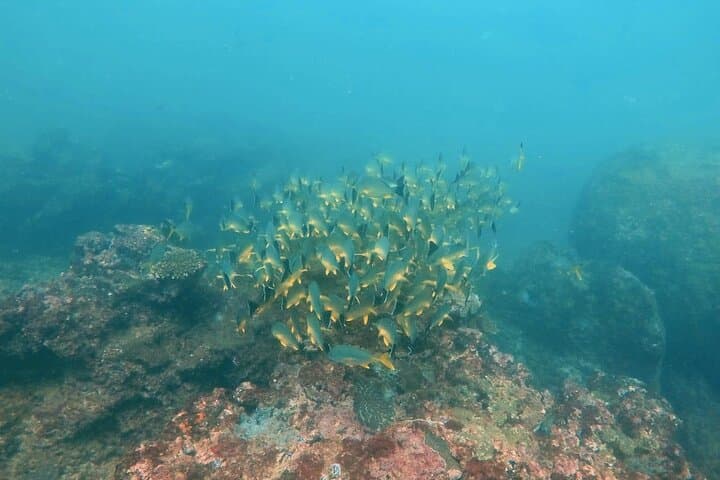
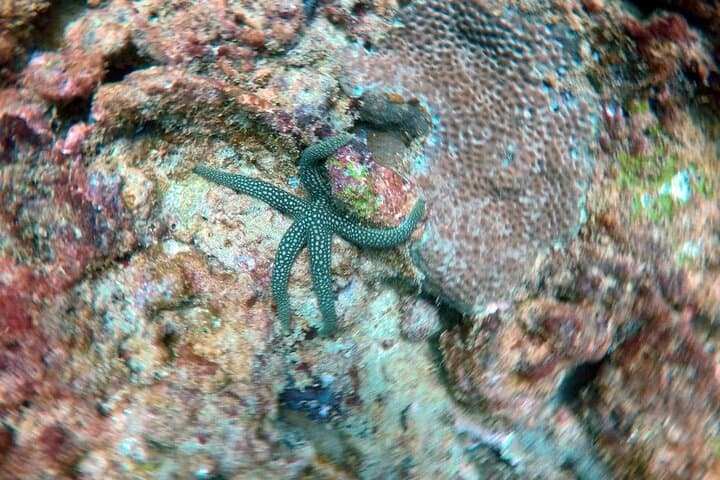
Expect reef fish, sea turtles, occasional reef sharks and schooling species like barracuda; macro life thrives on deeper wrecks and coral heads.
December through April generally offers calmer seas and better visibility on the west coast; monsoon months (May–September) bring more variable conditions.
Most operators cancel for unsafe weather; this activity typically allows full refunds if canceled at least 24 hours before departure—confirm specific terms on booking.
Negombo’s coastline reflects Portuguese, Dutch and British colonial eras; wartime and trade losses have left wrecks that are now dive sites.
Operators encourage no-touch diving, use of reef-safe sunscreen and proper buoyancy to protect fragile corals; support local guides who practice low-impact anchoring and mooring when available.
ZRI Adventures operates guided outdoor trips and adventures with an emphasis on safety, stewardship, and memorable experiences.

The boat slips away from Negombo's harbor and the coastline thins into blue: shallow reefs give way to rubble, then to the sudden geometry of a wreck sitting on the sand. Salted breeze brushes your face and the engine's rhythm becomes a promise — the ocean will reveal its stories.
The boat slips away from Negombo's harbor and the coastline thins into blue: shallow reefs give way to rubble, then to the sudden geometry of a wreck sitting on the sand. Salted breeze brushes your face and the engine's rhythm becomes a promise — the ocean will reveal its stories.
Negombo's coast is shaped by shallow carbonate shelves and strong historical currents. Portuguese, Dutch and British eras left more than forts and canals; wartime and trading losses created wrecks that now host soft corals and dense schools of fish. Geologically the floor alternates between coral outcrops and sandy corridors that funnel life and visibility.
Locals keep a practical diving culture: simple boats, careful briefings and an eye for macro subjects as much as big fauna. Popular sites — Diyamba Gala, Lobster Reef, Mutian Gala with its sunken British fighter, Barracuda Point — offer a mix of reef structure, caves and pelagic encounters.
Expect dives that vary from shallow 10–18 m reef swims to deeper 25–30 m wreck or aircraft inspections; currents can push you along gutters where barracuda and schooling fish gather. Visibility ranges seasonally, best December–April when seas calm.
Practical side: bring a well-fitting mask, confirm certification level with the operator, and plan surface intervals if you're doing two tanks. Hydrate before boarding and apply reef-safe sunscreen. Operators typically supply basic scuba gear, but a personal dive computer and SMB make dives safer and more comfortable.
Negombo delivers straightforward, rewarding dives — an accessible entry to Sri Lanka's growing wreck and reef scene with plenty of small surprises for photographers and curious divers alike.