THE ADVENTURE COLLECTIVE® · Independent discovery and booking for outdoor travel

Sharpen your underwater sense of direction off Tenerife’s volcanic coast. This short specialty course teaches compass work and natural navigation so you can lead dives with confidence.
Sharpen your underwater sense of direction off Tenerife’s volcanic coast. This short specialty course teaches compass work and natural navigation so you can lead dives with confidence.
You kick off from a concrete ramp or small charter boat and the Atlantic pulls you out into clear, green-blue water. Around you, basalt ledges and black-sand slopes fall away; fish wheel through gorgonian fans while distant waves rumble against volcanic cliffs. The task is simple: learn to read the sea so you can lead a dive and find your way back to the shotline or boat with confidence.
Verified experiences and guided adventures in the surrounding area.
Operated by GooDiving · Costa Adeje, Santa Cruz de Tenerife
You kick off from a concrete ramp or small charter boat and the Atlantic pulls you out into clear, green-blue water. Around you, basalt ledges and black-sand slopes fall away; fish wheel through gorgonian fans while distant waves rumble against volcanic cliffs. The task is simple: learn to read the sea so you can lead a dive and find your way back to the shotline or boat with confidence.
Tenerife’s shores are born of volcanic fire—the island’s geology makes for abrupt drop-offs, rubble fields and occasional wrecks that become natural waypoints. Local dive culture is pragmatic and international; operators cater to travelers from Europe and beyond and often run short specialty courses designed to build practical skills rather than theory-heavy modules.
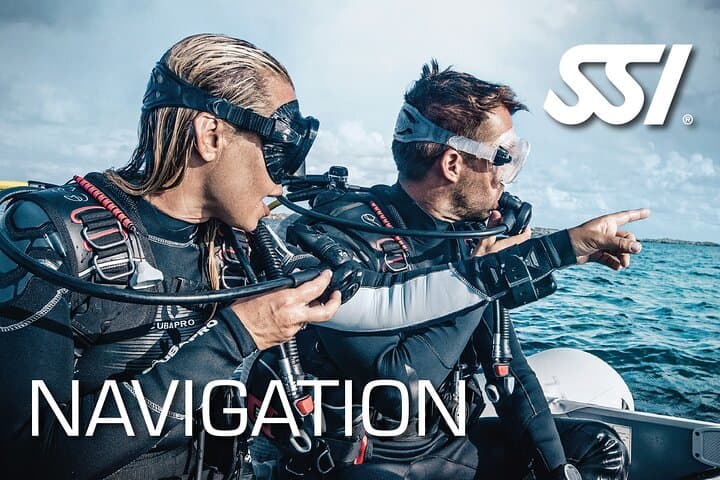
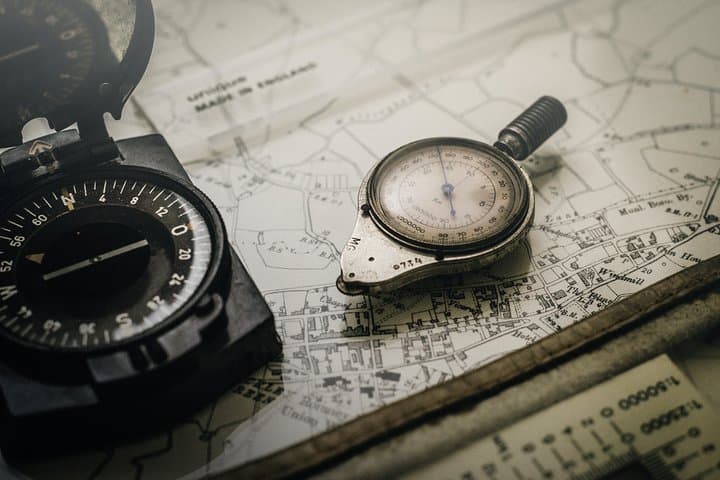
This four-hour navigation specialty focuses on two tools: the compass and natural navigation—using reef features, light, current and depth changes as cues. Expect in-water exercises practicing bearings, time-and-distance estimates, kick-counts and reciprocal headings, plus surface briefings and debriefs. Groups are small (typically under 10), and the operator usually provides bottled water, snacks and minivan pickup.
Practical guidance: arrive with your Open Water certification and recent medical clearance if applicable, wear a wetsuit matched to the season (3–5mm common year-round) and bring your logbook and certification card. Practice basic compass holds on land before the water. Hydrate and avoid flying within 24 hours of diving. In two or three supervised dives you’ll gain a repeatable routine for navigating reefs and wrecks—skills that turn nervous followers into the diver everyone trusts to bring the group home.
moderate.
4 hours.
Comfortable swimming ability and general health; divers should be comfortable in open water and able to carry basic kit.
Yes—participants must hold a valid Open Water certification from a recognized agency; bring your certification card.
The scheduled duration is about 4 hours and typically includes in-water navigation practice dives plus briefings; exact dive count can vary by operator.
This specialty assumes comfort swimming and basic buoyancy control; it’s not for non-swimmers—check operator suitability guidelines if unsure.
Conditions are generally mild with good visibility (often 10–30m) but can vary with swell and local winds; operators choose sites to match skill level.
Tenerife’s coastline reflects volcanic eruptions and historic maritime routes; shipwrecks from coastal trade have become artificial reefs used as navigation training and wildlife hotspots.
Respect local marine-protection rules, avoid touching reef organisms and use reef-safe sunscreen; operators typically follow no-touch policies and brief on low-impact techniques.
GooDiving operates guided outdoor trips and adventures with an emphasis on safety, stewardship, and memorable experiences.
You kick off from a concrete ramp or small charter boat and the Atlantic pulls you out into clear, green-blue water. Around you, basalt ledges and black-sand slopes fall away; fish wheel through gorgonian fans while distant waves rumble against volcanic cliffs. The task is simple: learn to read the sea so you can lead a dive and find your way back to the shotline or boat with confidence.
You kick off from a concrete ramp or small charter boat and the Atlantic pulls you out into clear, green-blue water. Around you, basalt ledges and black-sand slopes fall away; fish wheel through gorgonian fans while distant waves rumble against volcanic cliffs. The task is simple: learn to read the sea so you can lead a dive and find your way back to the shotline or boat with confidence.
Tenerife’s shores are born of volcanic fire—the island’s geology makes for abrupt drop-offs, rubble fields and occasional wrecks that become natural waypoints. Local dive culture is pragmatic and international; operators cater to travelers from Europe and beyond and often run short specialty courses designed to build practical skills rather than theory-heavy modules.
This four-hour navigation specialty focuses on two tools: the compass and natural navigation—using reef features, light, current and depth changes as cues. Expect in-water exercises practicing bearings, time-and-distance estimates, kick-counts and reciprocal headings, plus surface briefings and debriefs. Groups are small (typically under 10), and the operator usually provides bottled water, snacks and minivan pickup.
Practical guidance: arrive with your Open Water certification and recent medical clearance if applicable, wear a wetsuit matched to the season (3–5mm common year-round) and bring your logbook and certification card. Practice basic compass holds on land before the water. Hydrate and avoid flying within 24 hours of diving. In two or three supervised dives you’ll gain a repeatable routine for navigating reefs and wrecks—skills that turn nervous followers into the diver everyone trusts to bring the group home.