THE ADVENTURE COLLECTIVE® · Independent discovery and booking for outdoor travel

Spend a reflective day in Eastern Bosnia: visit the Potočari Memorial Centre, walk Srebrenica’s streets, and share a home-cooked lunch with a local family while learning the wider context of the 1990s Bosnian War.
Spend a reflective day in Eastern Bosnia: visit the Potočari Memorial Centre, walk Srebrenica’s streets, and share a home-cooked lunch with a local family while learning the wider context of the 1990s Bosnian War.
You arrive at Potočari as a gray light leans over the Drina valley, the road easing out of Sarajevo’s bustle into a quieter patch of Eastern Bosnia where the river seems to dare you to remember. Gravel paths and low stone walls lead toward the Memorial Centre—names etched in rows, each a pause in a landscape that carries memory in its soil.
Verified experiences and guided adventures in the surrounding area.
Operated by Funky Tours · Srebrenica, Republika Srpska
You arrive at Potočari as a gray light leans over the Drina valley, the road easing out of Sarajevo’s bustle into a quieter patch of Eastern Bosnia where the river seems to dare you to remember. Gravel paths and low stone walls lead toward the Memorial Centre—names etched in rows, each a pause in a landscape that carries memory in its soil.
The tour places Srebrenica in the wider context of Yugoslavia’s collapse and the 1990s Bosnian War, explaining political fractures, local demographics, and how a town once known for silver mining became a site of Europe’s worst massacre since World War II. Geology here is simple—rolling karst foothills and river terraces—but history has carved deeper lines.
You’ll visit the Potočari Memorial Centre, walk the green expanse of the cemetery, then cross into Srebrenica for a short town tour that highlights daily life and economic challenges. The day culminates with a full-course lunch in a local home: straightforward, hearty food and conversation that brings contemporary community life into focus.
Practical notes: this is a long, mostly sedentary day with short walks—dress smart-casual and modestly for cemetery access; bring water, a charged phone, and respectful listening. Guides arrange Memorial Centre access in advance; expect emotional material and time for reflection. This tour supports local families and encourages responsible engagement with difficult history rather than voyeurism.
easy.
9–11 hours.
Suitable for most fitness levels; requires ability to walk short distances and sit for extended periods.
Guides arrange the visit and coordinate with Memorial Centre staff; arrangements are included in the tour logistics.
Yes — a full-course home-hosted lunch is included, with vegetarian options available on request.
The tour listing notes stroller accessibility and infant seats available; however, content is emotionally heavy and may not be suitable for very young children.
Dress smart-casual and modestly—cover shoulders and knees for cemetery and mosque-adjacent areas.
Srebrenica was the site of a mass killing in July 1995 during the Bosnian War; the Memorial Centre at Potočari commemorates those killed and documents events leading up to the massacre.
The Memorial Centre and local guides emphasize respectful visitation; tours that support home-hosted meals help sustain local economies while encouraging preservation of memory sites.
Funky Tours operates guided outdoor trips and adventures with an emphasis on safety, stewardship, and memorable experiences.

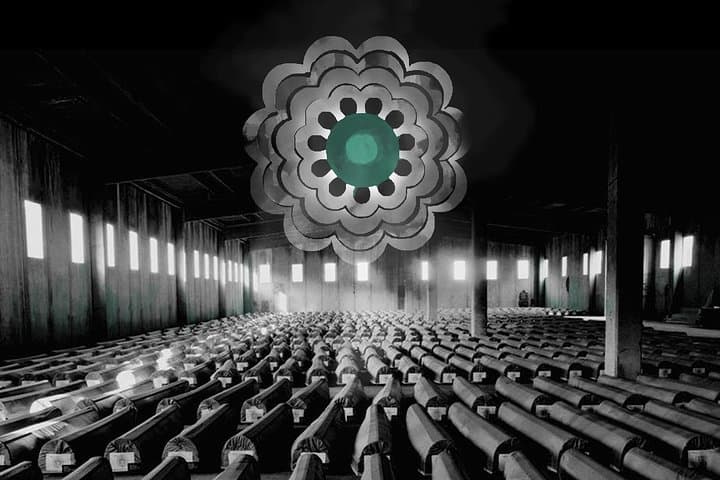


You arrive at Potočari as a gray light leans over the Drina valley, the road easing out of Sarajevo’s bustle into a quieter patch of Eastern Bosnia where the river seems to dare you to remember. Gravel paths and low stone walls lead toward the Memorial Centre—names etched in rows, each a pause in a landscape that carries memory in its soil.
You arrive at Potočari as a gray light leans over the Drina valley, the road easing out of Sarajevo’s bustle into a quieter patch of Eastern Bosnia where the river seems to dare you to remember. Gravel paths and low stone walls lead toward the Memorial Centre—names etched in rows, each a pause in a landscape that carries memory in its soil.
The tour places Srebrenica in the wider context of Yugoslavia’s collapse and the 1990s Bosnian War, explaining political fractures, local demographics, and how a town once known for silver mining became a site of Europe’s worst massacre since World War II. Geology here is simple—rolling karst foothills and river terraces—but history has carved deeper lines.
You’ll visit the Potočari Memorial Centre, walk the green expanse of the cemetery, then cross into Srebrenica for a short town tour that highlights daily life and economic challenges. The day culminates with a full-course lunch in a local home: straightforward, hearty food and conversation that brings contemporary community life into focus.
Practical notes: this is a long, mostly sedentary day with short walks—dress smart-casual and modestly for cemetery access; bring water, a charged phone, and respectful listening. Guides arrange Memorial Centre access in advance; expect emotional material and time for reflection. This tour supports local families and encourages responsible engagement with difficult history rather than voyeurism.