THE ADVENTURE COLLECTIVE® · Independent discovery and booking for outdoor travel

Step off a ladder and into a helmet that delivers air while you walk the Mediterranean sea floor near Protaras. This guided 30-minute underwater walk offers close-up views of fish, rock formations, and shallow seagrass beds—no scuba certification required.
Step off a ladder and into a helmet that delivers air while you walk the Mediterranean sea floor near Protaras. This guided 30-minute underwater walk offers close-up views of fish, rock formations, and shallow seagrass beds—no scuba certification required.
The sea smells like salt and hot stone as the boat slips away from Protaras’ limestone shelf and the horizon sharpens into cobalt. You don a clear-domed helmet, take a few steps down a metal ladder and the Mediterranean rearranges itself around you: sunlight strips through turquoise water, schools of bream sweep past like living ribbons, and the seabed—rock, sand and the occasional sea grass—beckons.
Verified experiences and guided adventures in the surrounding area.
Operated by Undersea Adventures · Protaras, Famagusta District
The sea smells like salt and hot stone as the boat slips away from Protaras’ limestone shelf and the horizon sharpens into cobalt. You don a clear-domed helmet, take a few steps down a metal ladder and the Mediterranean rearranges itself around you: sunlight strips through turquoise water, schools of bream sweep past like living ribbons, and the seabed—rock, sand and the occasional sea grass—beckons.
This helmet-walk format borrows from coastal Cyprus’ long relationship with the sea. The east coast around Protaras and Cape Greco has been a fishing and trading zone since antiquity; the geology is largely limestone shaped by wave action, producing shallow benches and small caverns that concentrate marine life. The culture along the shore is practical and sun-smart—local tavernas still serve lobster and fish straight off the boats.
Practical guidance: tours run about three hours including transfers and briefings, with roughly 30 minutes underwater. No scuba skills required, but you must be able to walk short steps on the sea floor and follow a guide. Expect gentle currents and visibility that varies with season and recent weather; helmets supply a constant flow of air and keep hair dry, but you’ll still feel the sea around you. Bring reef-safe sunscreen, wear secure water shoes, and consider anti-nausea medication if you’re prone to motion sickness.
This is an accessible, photogenic way to meet Mediterranean marine life without tanks—ideal for families and first-time underwater explorers who want a clear, immediate encounter with the seabed.
moderate.
3 hours (30 minutes underwater).
Light: able to walk short steps on uneven seabed and follow guide instructions; suitable for most adults and older children.
No. The helmet supplies air and keeps your head dry—no prior diving experience or certification required.
You descend only a few steps to the seabed; the guided walk is about 30 minutes underwater within shallow depths suitable for helmet use.
Yes, families are welcome but age and height minimums may apply; check with the operator for specific limits and safety requirements.
Operations are weather-dependent; tours may be canceled for rough seas with refund or rescheduling options—confirm the cancellation policy when booking.
The east Cypriot coast has been used by mariners and fishers for millennia; nearby submerged terraces and small wrecks reflect long coastal use.
Operators typically follow no-touch rules and use mooring points to avoid anchoring on seagrass beds; choose providers that practice reef-safe operations.
Undersea Adventures operates guided outdoor trips and adventures with an emphasis on safety, stewardship, and memorable experiences.
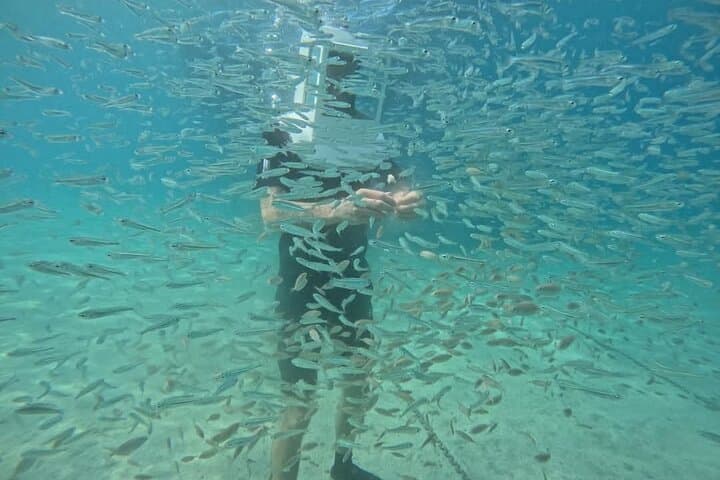
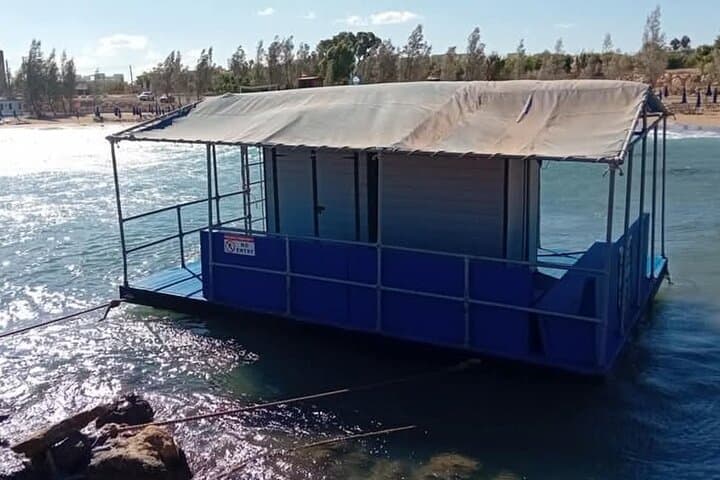
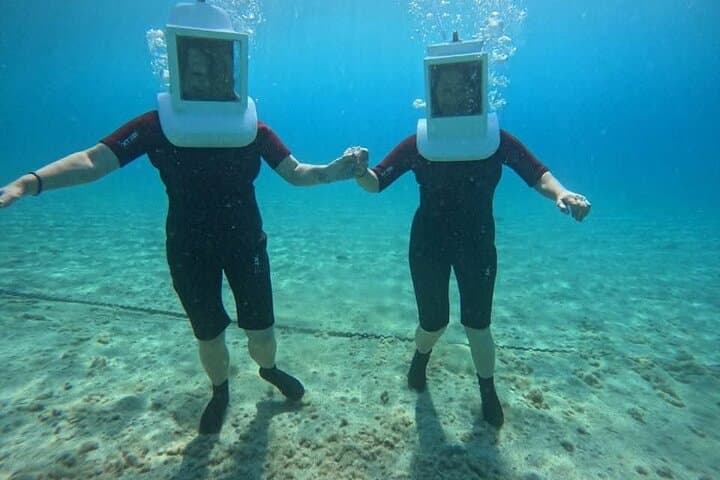
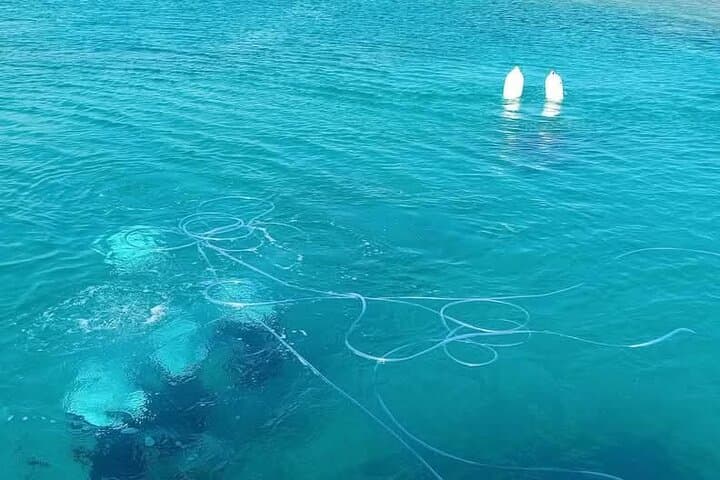
The sea smells like salt and hot stone as the boat slips away from Protaras’ limestone shelf and the horizon sharpens into cobalt. You don a clear-domed helmet, take a few steps down a metal ladder and the Mediterranean rearranges itself around you: sunlight strips through turquoise water, schools of bream sweep past like living ribbons, and the seabed—rock, sand and the occasional sea grass—beckons.
The sea smells like salt and hot stone as the boat slips away from Protaras’ limestone shelf and the horizon sharpens into cobalt. You don a clear-domed helmet, take a few steps down a metal ladder and the Mediterranean rearranges itself around you: sunlight strips through turquoise water, schools of bream sweep past like living ribbons, and the seabed—rock, sand and the occasional sea grass—beckons.
This helmet-walk format borrows from coastal Cyprus’ long relationship with the sea. The east coast around Protaras and Cape Greco has been a fishing and trading zone since antiquity; the geology is largely limestone shaped by wave action, producing shallow benches and small caverns that concentrate marine life. The culture along the shore is practical and sun-smart—local tavernas still serve lobster and fish straight off the boats.
Practical guidance: tours run about three hours including transfers and briefings, with roughly 30 minutes underwater. No scuba skills required, but you must be able to walk short steps on the sea floor and follow a guide. Expect gentle currents and visibility that varies with season and recent weather; helmets supply a constant flow of air and keep hair dry, but you’ll still feel the sea around you. Bring reef-safe sunscreen, wear secure water shoes, and consider anti-nausea medication if you’re prone to motion sickness.
This is an accessible, photogenic way to meet Mediterranean marine life without tanks—ideal for families and first-time underwater explorers who want a clear, immediate encounter with the seabed.