THE ADVENTURE COLLECTIVE® · Independent discovery and booking for outdoor travel

Descend into two of Colombia’s most unusual subterranean sites: the 1,600 m of chambers at Nemocón and the carved Salt Cathedral of Zipaquirá. This private day tour from Bogotá blends mining history, geology, and tangible cultural context with easy-to-follow logistics.
Descend into two of Colombia’s most unusual subterranean sites: the 1,600 m of chambers at Nemocón and the carved Salt Cathedral of Zipaquirá. This private day tour from Bogotá blends mining history, geology, and tangible cultural context with easy-to-follow logistics.
You step off the van and the air turns cool and mineral-rich — a hint of the kilometers-long tunnels waiting below. The tour threads two very different underground worlds: Nemocón’s working salt mine with its brine mirrors and waterfall, then Zipaquirá’s Salt Cathedral, a sculpted series of chapels carved deep into rock.
Verified experiences and guided adventures in the surrounding area.
Operated by Colombia Tours and Travel · Zipaquirá, Cundinamarca
You step off the van and the air turns cool and mineral-rich — a hint of the kilometers-long tunnels waiting below. The tour threads two very different underground worlds: Nemocón’s working salt mine with its brine mirrors and waterfall, then Zipaquirá’s Salt Cathedral, a sculpted series of chapels carved deep into rock.
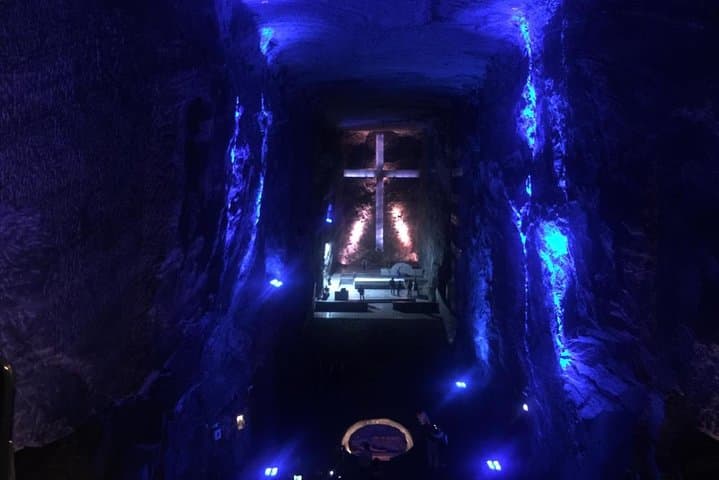
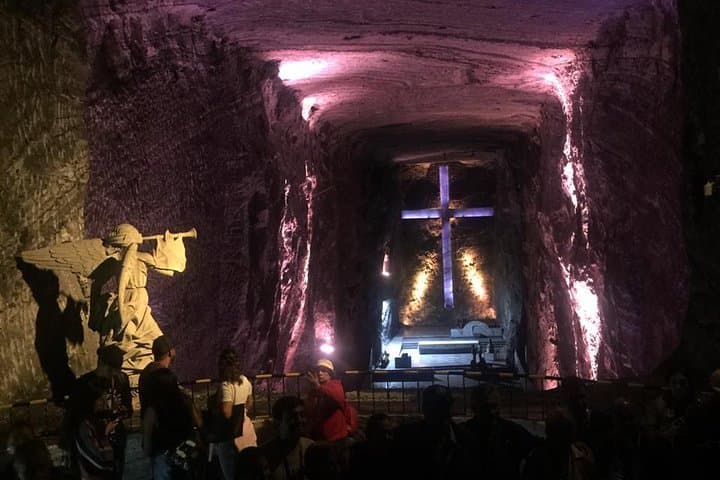
Nemocón carries five centuries of salt-extraction history tied to the Muisca people; its galleries show both prehistoric methods and modern mining. Geologically, the region is folded sedimentary rock with thick halite layers that miners have exposed and sculpted. Zipaquirá’s cathedral occupies a rehabilitated portion of an old mine and acts as both pilgrimage site and architectural curiosity, with Stations of the Cross recessed into salt walls 180 meters underground.
Culturally the route connects Bogotá’s Andean highlands to colonial Zipaquirá, where restaurants serve hearty regional lunches and plazas hold colonial facades. Guides typically explain the social history of salt in pre-Hispanic trade and the engineering behind subterranean stabilization.
Practical guidance: expect long stair sequences and cool, damp conditions — bring a light jacket and sturdy shoes. The full private excursion runs most of the day (around 8–9 hours including transfers) and includes admission, bilingual guide, and lunch. Photography is generally allowed but follow signage in sacred spaces. If you have mobility concerns, confirm accessible routes in advance; both sites offer adapted paths but conditions vary. Hydrate before descent, move deliberately on wet steps, and allow time at surface plazas to absorb the highland light before returning to Bogotá.
easy.
8–9 hours.
Suitable for most fitness levels; requires walking on stairs and uneven tunnel surfaces and standing during guided stops.
Expect about 8–9 hours including hotel pickup in Bogotá, transfers, guided visits to both sites, and a regional lunch in Zipaquirá.
Both sites offer sections with accessibility adaptations, but some tunnels and steps may still be challenging; notify the operator at booking to confirm accessible routing.
Photography is generally permitted in Nemocón; in Zipaquirá follow signage—some sacred areas restrict flash or certain angles out of respect.
Yes—many families take the tour; children should be able to manage stairs and cooler underground temperatures, and supervision is required near ledges and stairways.
Salt extraction in this highland corridor dates to the Muisca civilization; both sites illustrate how salt shaped local economy and ritual life for centuries.
Subterranean ecosystems and salt formations are fragile—follow marked paths, avoid touching salt sculptures, and support sites that invest in stabilization and visitor education.
Colombia Tours and Travel operates guided outdoor trips and adventures with an emphasis on safety, stewardship, and memorable experiences.

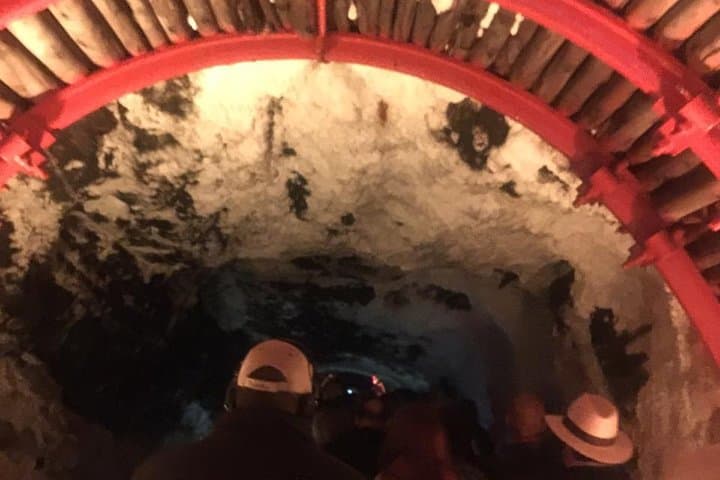
You step off the van and the air turns cool and mineral-rich — a hint of the kilometers-long tunnels waiting below. The tour threads two very different underground worlds: Nemocón’s working salt mine with its brine mirrors and waterfall, then Zipaquirá’s Salt Cathedral, a sculpted series of chapels carved deep into rock.
You step off the van and the air turns cool and mineral-rich — a hint of the kilometers-long tunnels waiting below. The tour threads two very different underground worlds: Nemocón’s working salt mine with its brine mirrors and waterfall, then Zipaquirá’s Salt Cathedral, a sculpted series of chapels carved deep into rock.
Nemocón carries five centuries of salt-extraction history tied to the Muisca people; its galleries show both prehistoric methods and modern mining. Geologically, the region is folded sedimentary rock with thick halite layers that miners have exposed and sculpted. Zipaquirá’s cathedral occupies a rehabilitated portion of an old mine and acts as both pilgrimage site and architectural curiosity, with Stations of the Cross recessed into salt walls 180 meters underground.
Culturally the route connects Bogotá’s Andean highlands to colonial Zipaquirá, where restaurants serve hearty regional lunches and plazas hold colonial facades. Guides typically explain the social history of salt in pre-Hispanic trade and the engineering behind subterranean stabilization.
Practical guidance: expect long stair sequences and cool, damp conditions — bring a light jacket and sturdy shoes. The full private excursion runs most of the day (around 8–9 hours including transfers) and includes admission, bilingual guide, and lunch. Photography is generally allowed but follow signage in sacred spaces. If you have mobility concerns, confirm accessible routes in advance; both sites offer adapted paths but conditions vary. Hydrate before descent, move deliberately on wet steps, and allow time at surface plazas to absorb the highland light before returning to Bogotá.