THE ADVENTURE COLLECTIVE® · Independent discovery and booking for outdoor travel

Descend beneath Rome’s streets on a private half-day walk through catacombs and the multilayered Basilica San Clemente. Expect cool tunnels, frescoed chambers, and a concise history lesson on how the city was built upward and downward over millennia.
Descend beneath Rome’s streets on a private half-day walk through catacombs and the multilayered Basilica San Clemente. Expect cool tunnels, frescoed chambers, and a concise history lesson on how the city was built upward and downward over millennia.
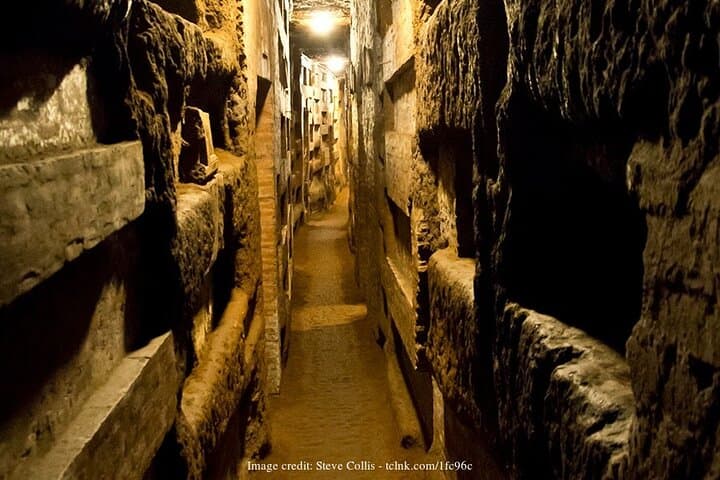
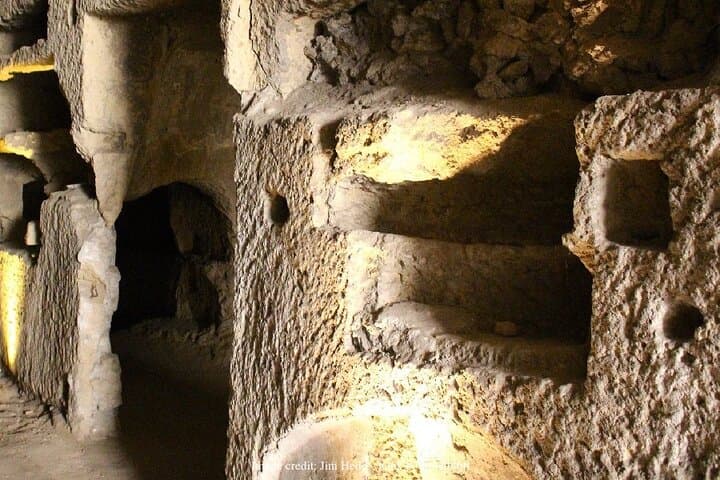
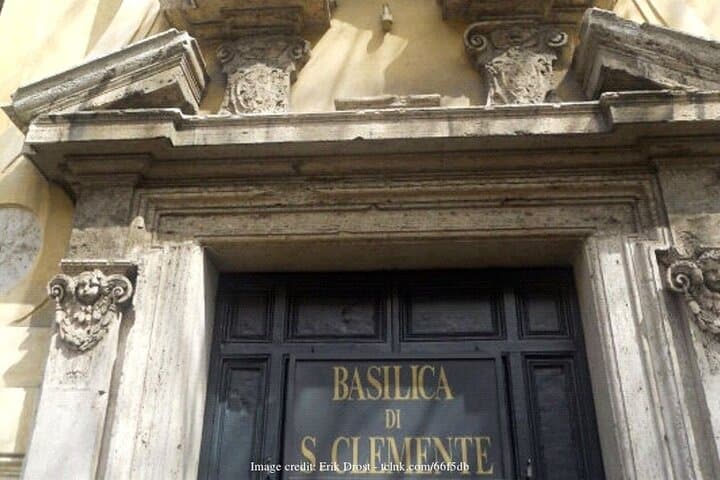
You step away from the traffic-choked sunlit streets and descend into cool, dim corridors where stone remembers every footstep. The air grows still; candlelight would seem extravagant here, so your guide's voice becomes the map through burial chambers and frescoed niches. This half-day private tour moves from the Appian Way’s catacombs—ancient subterranean cemeteries where carved loculi and arched galleries hold centuries of quiet—to the archaeological layers beneath Basilica San Clemente near the Colosseum.
Verified experiences and guided adventures in the surrounding area.
Operated by Travel Curious · Rome, Lazio
You step away from the traffic-choked sunlit streets and descend into cool, dim corridors where stone remembers every footstep. The air grows still; candlelight would seem extravagant here, so your guide's voice becomes the map through burial chambers and frescoed niches. This half-day private tour moves from the Appian Way’s catacombs—ancient subterranean cemeteries where carved loculi and arched galleries hold centuries of quiet—to the archaeological layers beneath Basilica San Clemente near the Colosseum.
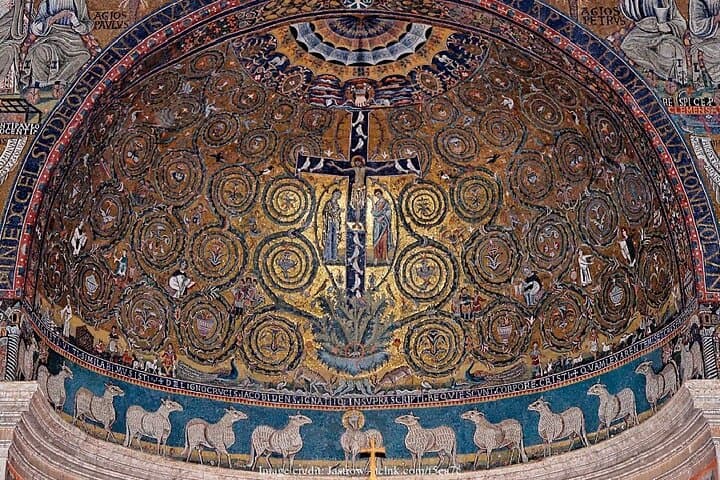
The route stitches together Roman pagan architecture, early Christian burial practice, and medieval devotion. The catacombs demonstrate practical geology: soft tufa and volcanic ash were quarried to create long tunnels, their porous walls pierced to make burial shelves. San Clemente lets you walk down through a 12th-century basilica into a Roman house and a pagan temple below, an archaeological cross-section of the city’s continuous reuse.
Locally, guides point out how pilgrims, martyrs, and builders shaped sacred geography—churches often rose atop older cult sites to anchor new faith to familiar ground. Expect tight staircases, low vaulted ceilings, and frescoes that reward close, patient inspection.
Practical guidance: wear sturdy, closed-toe shoes and bring a lightweight layer—underground temperatures are cool year-round. Photography rules vary; follow the guide and avoid flash inside vulnerable frescoes. The tour covers roughly three hours with short walks between sites by private vehicle; a moderate fitness level and comfort with confined spaces make the visit smoother. This is a compact, sensory-rich dive into Rome’s vertical history—stone, silence, and the slow accumulation of human stories beneath the modern city.
moderate.
3 hours.
Suitable for travelers with moderate fitness; involves walking on uneven ground and stairs.
The private tour lasts about three hours total, combining transport and time spent inside the catacombs and Basilica San Clemente.
Some passages are narrow and ceilings low; if you are claustrophobic, discuss options with the operator—alternatives or shorter visits may be possible.
Photography rules vary by site; flash is often prohibited to protect frescoes. Follow your guide’s directions on when and where photos are permitted.
Older children who can walk stairs and respect quiet spaces generally do well; there are no stroller-friendly routes inside the underground galleries.
The catacombs served as Christian burial grounds from the 2nd century onward, while San Clemente preserves successive layers from a 4th‑century church to a 12th‑century basilica built above a Roman house and earlier temple.
These fragile sites require low light and limited handling; follow guides, avoid flash photography, and stick to designated paths to protect frescoes and carved surfaces.
Travel Curious operates guided outdoor trips and adventures with an emphasis on safety, stewardship, and memorable experiences.
You step away from the traffic-choked sunlit streets and descend into cool, dim corridors where stone remembers every footstep. The air grows still; candlelight would seem extravagant here, so your guide's voice becomes the map through burial chambers and frescoed niches. This half-day private tour moves from the Appian Way’s catacombs—ancient subterranean cemeteries where carved loculi and arched galleries hold centuries of quiet—to the archaeological layers beneath Basilica San Clemente near the Colosseum.
You step away from the traffic-choked sunlit streets and descend into cool, dim corridors where stone remembers every footstep. The air grows still; candlelight would seem extravagant here, so your guide's voice becomes the map through burial chambers and frescoed niches. This half-day private tour moves from the Appian Way’s catacombs—ancient subterranean cemeteries where carved loculi and arched galleries hold centuries of quiet—to the archaeological layers beneath Basilica San Clemente near the Colosseum.
The route stitches together Roman pagan architecture, early Christian burial practice, and medieval devotion. The catacombs demonstrate practical geology: soft tufa and volcanic ash were quarried to create long tunnels, their porous walls pierced to make burial shelves. San Clemente lets you walk down through a 12th-century basilica into a Roman house and a pagan temple below, an archaeological cross-section of the city’s continuous reuse.
Locally, guides point out how pilgrims, martyrs, and builders shaped sacred geography—churches often rose atop older cult sites to anchor new faith to familiar ground. Expect tight staircases, low vaulted ceilings, and frescoes that reward close, patient inspection.
Practical guidance: wear sturdy, closed-toe shoes and bring a lightweight layer—underground temperatures are cool year-round. Photography rules vary; follow the guide and avoid flash inside vulnerable frescoes. The tour covers roughly three hours with short walks between sites by private vehicle; a moderate fitness level and comfort with confined spaces make the visit smoother. This is a compact, sensory-rich dive into Rome’s vertical history—stone, silence, and the slow accumulation of human stories beneath the modern city.