THE ADVENTURE COLLECTIVE® · Independent discovery and booking for outdoor travel

Go beneath the Appian Way to explore carved galleries, catacombs, and surprising modern reuses of ancient rock. This guided 2.5-hour tour combines archaeology, geology, and hands-on storytelling—helmets and torches included.
Go beneath the Appian Way to explore carved galleries, catacombs, and surprising modern reuses of ancient rock. This guided 2.5-hour tour combines archaeology, geology, and hands-on storytelling—helmets and torches included.
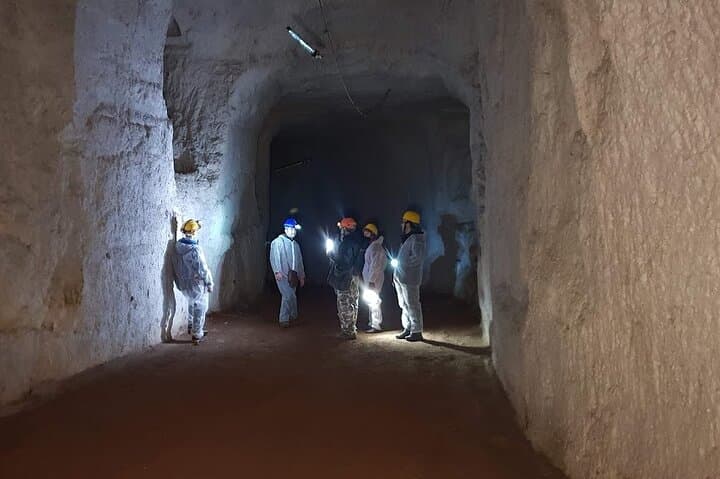
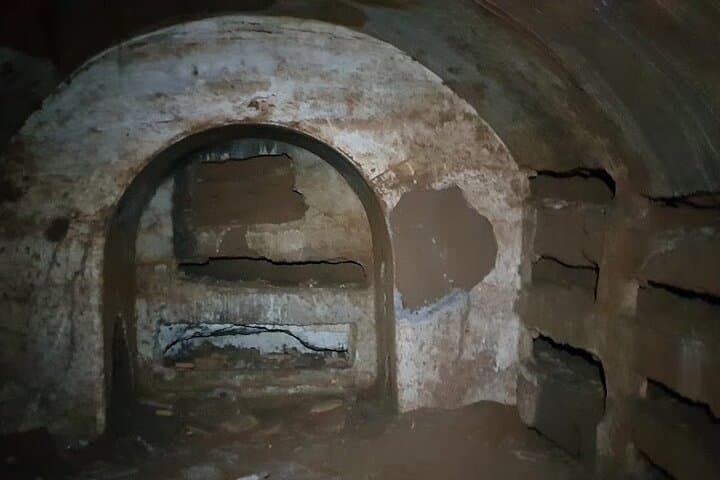
You step off the Appian Way and into a cooler, dim world where stone and shadow still hold stories. The beam of your helmet light pulls details from the dark: cut marks from ancient builders, patched niches from later reuse, and a low vaulted gallery that once moved water or people rather than traffic.
Verified experiences and guided adventures in the surrounding area.
Operated by Rome Tour · Rome, Lazio
You step off the Appian Way and into a cooler, dim world where stone and shadow still hold stories. The beam of your helmet light pulls details from the dark: cut marks from ancient builders, patched niches from later reuse, and a low vaulted gallery that once moved water or people rather than traffic.
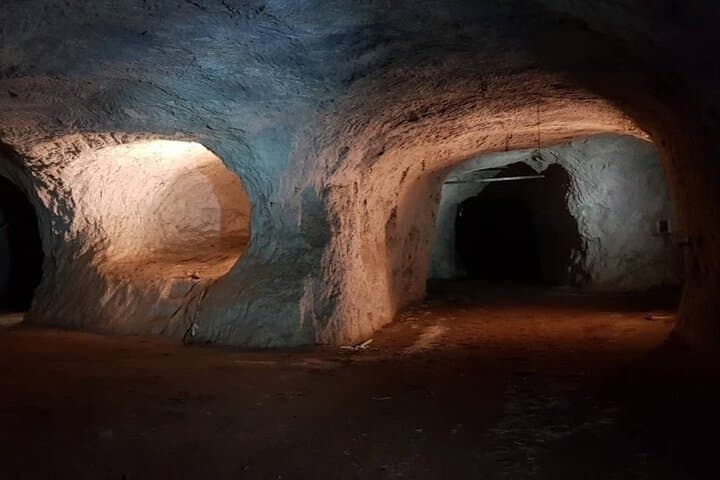
Rome’s underground is less a single place than a network—a palimpsest of volcanic tuff, Roman engineering, early Christian catacombs, and later practical adaptations like mushroom cultivation. Geologically, the soft tufo rock made carving easy, so Romans hollowed tunnels for tombs, cisterns, and storage. Culturally, these spaces reflect changing needs: burial and worship, then agriculture, then archaeology.
The experience focuses on readable archaeology and hands-on interpretation. Guides explain how builders raised streets by infilling, why catacombs drifted under suburban villas, and how modern speliologists map chambers once forgotten. Expect anecdotes about finds, measured cuts in the rock, and the occasional bat that treats the galleries as corridor space.
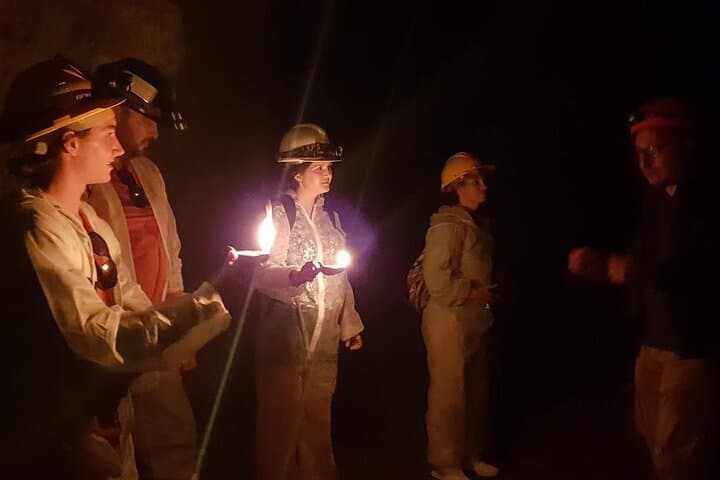
Practical guidance: the tour is ~2.5 hours, involves low ceilings and steps, and provides helmets and torches—wear stout closed-toe shoes and layers (underground stays cool year-round). Mobility is generally accessible in showier sections but bring caution if you have spinal or cardiovascular issues. Photography is allowed but use low flash; follow the guide for preservation rules.
This is a compact, interpretive walk through a less-seen Rome: tactile, slightly claustrophobic, and rich with the city’s layered past.
easy.
2–3 hours.
Light walking and standing; participants should be able to navigate low ceilings and a few steps. Not strenuous but requires basic mobility.
Infants and small children can be on the tour and strollers are noted as usable in some accessible areas, but parents should assess low ceilings and steps on sections of the route.
Yes—helmets and torchlight are provided as part of the tour; you may bring your own headlamp for comfort.
Some sections are listed as accessible and transportation options are wheelchair accessible, but accessibility can vary by specific underground site—contact the operator if you require full wheelchair access.
Photography is generally allowed but limit flash near sensitive surfaces and follow guide instructions to protect fragile features.
The underground networks grew from Roman-era excavation of volcanic tuff for building, later repurposed as early Christian catacombs and, centuries later, as agricultural or storage galleries.
These sites are fragile; staying on designated paths, minimizing flash photography, and following guide directions help protect frescoes, inscriptions, and archaeological deposits.
Rome Tour operates guided outdoor trips and adventures with an emphasis on safety, stewardship, and memorable experiences.
You step off the Appian Way and into a cooler, dim world where stone and shadow still hold stories. The beam of your helmet light pulls details from the dark: cut marks from ancient builders, patched niches from later reuse, and a low vaulted gallery that once moved water or people rather than traffic.
You step off the Appian Way and into a cooler, dim world where stone and shadow still hold stories. The beam of your helmet light pulls details from the dark: cut marks from ancient builders, patched niches from later reuse, and a low vaulted gallery that once moved water or people rather than traffic.
Rome’s underground is less a single place than a network—a palimpsest of volcanic tuff, Roman engineering, early Christian catacombs, and later practical adaptations like mushroom cultivation. Geologically, the soft tufo rock made carving easy, so Romans hollowed tunnels for tombs, cisterns, and storage. Culturally, these spaces reflect changing needs: burial and worship, then agriculture, then archaeology.
The experience focuses on readable archaeology and hands-on interpretation. Guides explain how builders raised streets by infilling, why catacombs drifted under suburban villas, and how modern speliologists map chambers once forgotten. Expect anecdotes about finds, measured cuts in the rock, and the occasional bat that treats the galleries as corridor space.
Practical guidance: the tour is ~2.5 hours, involves low ceilings and steps, and provides helmets and torches—wear stout closed-toe shoes and layers (underground stays cool year-round). Mobility is generally accessible in showier sections but bring caution if you have spinal or cardiovascular issues. Photography is allowed but use low flash; follow the guide for preservation rules.
This is a compact, interpretive walk through a less-seen Rome: tactile, slightly claustrophobic, and rich with the city’s layered past.