THE ADVENTURE COLLECTIVE® · Independent discovery and booking for outdoor travel

Descend into the Capuchin Crypt, follow a living Roman aqueduct beneath a shopping arcade, then emerge to Trevi, the Pantheon and Piazza Navona. This 3‑hour walking tour pairs iconic sites with hidden infrastructure and local stories.
Descend into the Capuchin Crypt, follow a living Roman aqueduct beneath a shopping arcade, then emerge to Trevi, the Pantheon and Piazza Navona. This 3‑hour walking tour pairs iconic sites with hidden infrastructure and local stories.
The air goes cool beneath the church as the group descends: bone chandeliers hang in quiet geometry and the stone exhales centuries of ritual. From that hush the tour pulls you up into the city’s heartbeat — under a modern shopping arcade to where the Aqua Virgo still threads water toward the Trevi Fountain, then along cobbled alleys to the Pantheon and the baroque sweep of Piazza Navona.
Verified experiences and guided adventures in the surrounding area.
Operated by Underground Rome · Rome, Lazio
The air goes cool beneath the church as the group descends: bone chandeliers hang in quiet geometry and the stone exhales centuries of ritual. From that hush the tour pulls you up into the city’s heartbeat — under a modern shopping arcade to where the Aqua Virgo still threads water toward the Trevi Fountain, then along cobbled alleys to the Pantheon and the baroque sweep of Piazza Navona.
This three-hour walk stitches together Roman layers: the Capuchin Crypt’s 17th-century funerary art and ascetic philosophy, the Aqua Virgo engineered in 19 BC to feed imperial baths, and the Pantheon’s uninterrupted concrete dome dating to the early imperial era. Bernini’s Four Rivers looms in Piazza Navona, a Baroque argument carved in marble and politics; the stones underfoot are often travertine and tufa—materials that tell a geologic as well as human story.
Expect 2–3 km of walking mostly on uneven, historic paving and some stairs in and out of subterranean spaces. The guide balances landmark histories with little-known anecdotes — from the aqueduct’s stealthy route beneath modern storefronts to the Pantheon’s original bronze doors.
Practical pointers: arrive with comfortable, grippy shoes and a filled water bottle; cover shoulders for sacred sites; carry only essentials due to narrow alleys and crowds. Mornings or late afternoons avoid the hottest, busiest windows and give photos softer light. Respect barriers and no-flash rules in the crypt; quiet observation keeps the experience intact for everyone.
easy.
3 hours.
Light walking fitness is sufficient; participants should be comfortable standing and walking 2–3 km on uneven surfaces and negotiating short staircases.
Admission to the Capuchin Crypt is included; other sites visited (Trevi, Pantheon exterior, Piazza Navona) are public and require no paid entry for the tour.
Stroller-friendly in parts, but expect stairs and narrow passages underground; the crypt and some subterranean areas may not be fully wheelchair accessible—check with the operator for accommodations.
Photography is generally restricted or limited in the Capuchin Crypt; flash is often prohibited — follow your guide’s instructions to preserve artifacts and respect the space.
This is a small-group guided walking tour (up to about 10 people) led by a local guide; confirm language availability at booking and arrive at the meeting point 10–15 minutes early.
The Aqua Virgo was built in 19 BC under Marcus Vipsanius Agrippa to supply baths and fountains; the Capuchin Crypt was created by friars who used skeletal remains as a memento mori reflecting their austere beliefs.
These sites are fragile: stay behind barriers, avoid touching ancient marble, and use marked paths to limit erosion and preserve details for future visitors.
Underground Rome operates guided outdoor trips and adventures with an emphasis on safety, stewardship, and memorable experiences.
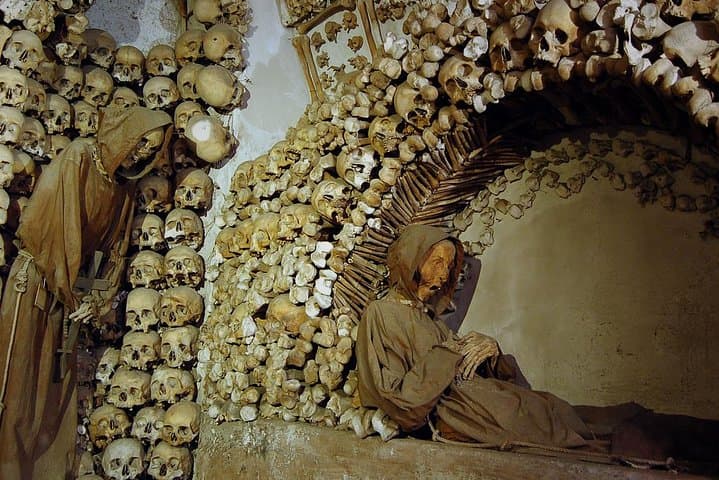
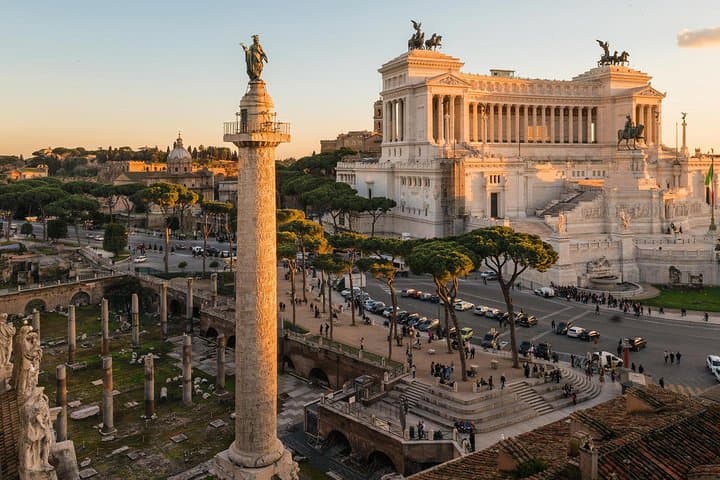


The air goes cool beneath the church as the group descends: bone chandeliers hang in quiet geometry and the stone exhales centuries of ritual. From that hush the tour pulls you up into the city’s heartbeat — under a modern shopping arcade to where the Aqua Virgo still threads water toward the Trevi Fountain, then along cobbled alleys to the Pantheon and the baroque sweep of Piazza Navona.
The air goes cool beneath the church as the group descends: bone chandeliers hang in quiet geometry and the stone exhales centuries of ritual. From that hush the tour pulls you up into the city’s heartbeat — under a modern shopping arcade to where the Aqua Virgo still threads water toward the Trevi Fountain, then along cobbled alleys to the Pantheon and the baroque sweep of Piazza Navona.
This three-hour walk stitches together Roman layers: the Capuchin Crypt’s 17th-century funerary art and ascetic philosophy, the Aqua Virgo engineered in 19 BC to feed imperial baths, and the Pantheon’s uninterrupted concrete dome dating to the early imperial era. Bernini’s Four Rivers looms in Piazza Navona, a Baroque argument carved in marble and politics; the stones underfoot are often travertine and tufa—materials that tell a geologic as well as human story.
Expect 2–3 km of walking mostly on uneven, historic paving and some stairs in and out of subterranean spaces. The guide balances landmark histories with little-known anecdotes — from the aqueduct’s stealthy route beneath modern storefronts to the Pantheon’s original bronze doors.
Practical pointers: arrive with comfortable, grippy shoes and a filled water bottle; cover shoulders for sacred sites; carry only essentials due to narrow alleys and crowds. Mornings or late afternoons avoid the hottest, busiest windows and give photos softer light. Respect barriers and no-flash rules in the crypt; quiet observation keeps the experience intact for everyone.