THE ADVENTURE COLLECTIVE® · Independent discovery and booking for outdoor travel

Descend beneath Rome’s streets to three levels of history at Basilica San Clemente and the Roman Houses of Celio. This small‑group underground tour exposes frescoes, mosaics, and a hidden Mithraeum while offering a compact, richly layered view of the Eternal City’s past.
Descend beneath Rome’s streets to three levels of history at Basilica San Clemente and the Roman Houses of Celio. This small‑group underground tour exposes frescoes, mosaics, and a hidden Mithraeum while offering a compact, richly layered view of the Eternal City’s past.
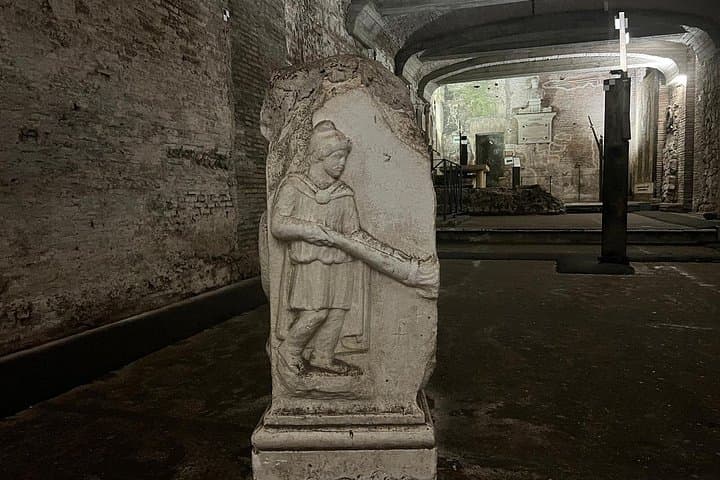
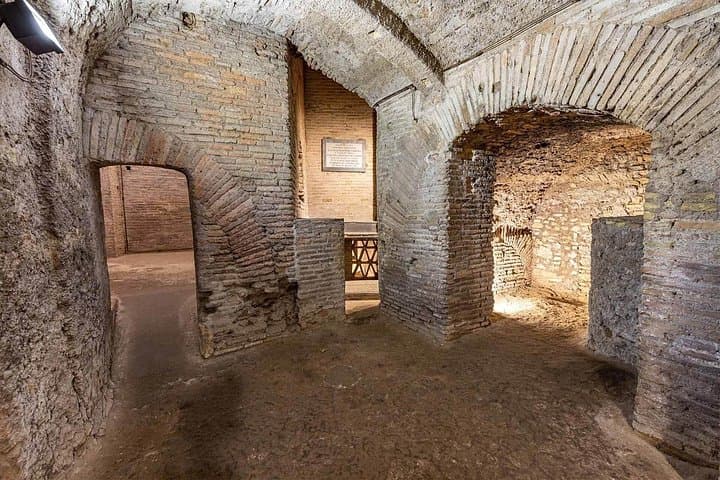
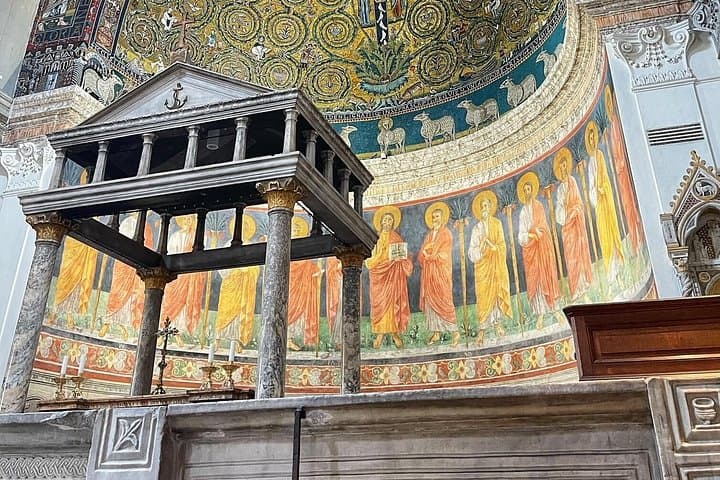
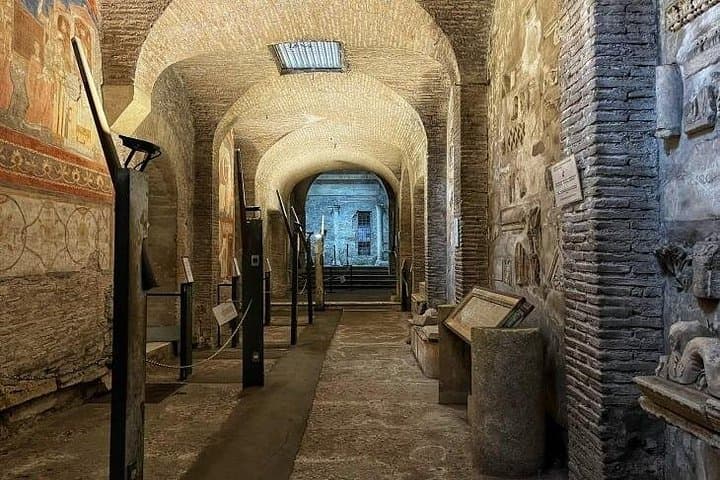
You step off a cobbled side street and descend—stone underfoot cool to the touch—as light narrows and the city above becomes distant traffic and church bells. The stairwell opens into a 12th-century basilica whose frescoed vaults watch over a lower 4th‑century church; below that the floor gives way to ancient Roman rooms and a small, shadowed Mithraeum. The air smells faintly of old lime and earth; the walls seem to keep their own quiet.
Verified experiences and guided adventures in the surrounding area.
Operated by White Travel Tours · Rome, Lazio
You step off a cobbled side street and descend—stone underfoot cool to the touch—as light narrows and the city above becomes distant traffic and church bells. The stairwell opens into a 12th-century basilica whose frescoed vaults watch over a lower 4th‑century church; below that the floor gives way to ancient Roman rooms and a small, shadowed Mithraeum. The air smells faintly of old lime and earth; the walls seem to keep their own quiet.
Rome here is vertical history. The upper basilica shows medieval devotion in painted saints and gilded accents; the middle level preserves early Christian architecture and reused Roman stone; the deepest strata reveal domestic mosaics and the cult space of Mithras, offering a rare peek at pre‑Christian rites. Geologically, you are on the tuff and alluvial deposits that made the Caelian Hill easy to carve and habit for centuries. Culturally, the site maps Rome’s shifts from pagan homes to Christian worship—an archaeological palimpsest where rooms become chapels and wells become altars.
Plan for tight staircases, low doorways, and uneven surfaces. Expect a small‑group pace with stops for frescoes and mosaics; photography is usually allowed but keep flash off to protect pigments. Bring a light layer—the underground is cool year‑round—and wear shoes with good grip. If you’re sensitive to confined spaces or have mobility limits, contact the operator: access includes steps and narrow passages.
This short, layered exploration rewards curiosity: read inscriptions, follow reused architectural fragments, and allow time afterward for the nearby Colosseum quarter and quiet trattorias on the Caelian slopes.
moderate.
1–2 hours.
Requires moderate mobility and comfort with stairs and narrow passages; not suitable for those with severe mobility limits.
The shared tour lasts about 60–120 minutes, typically covering the basilica, middle church, Roman houses, and Mithraeum in one continuous visit.
No—access includes many stairs and narrow subterranean passages; travelers with mobility issues should contact operators for alternatives.
Yes—this tour includes entrance to Basilica San Clemente and the Roman Houses of Celio as stated in the inclusions.
Photography is generally allowed but flashes are discouraged or prohibited to protect fragile frescoes—follow the guide’s instructions.
San Clemente layers a 12th‑century basilica over a 4th‑century church and a 2nd‑century Roman house; the Mithraeum illustrates Rome’s late‑republican and imperial religious diversity.
Visitor numbers are managed and flash photography is limited to protect fresco pigments; avoid touching walls and follow the guide to minimize wear.
White Travel Tours operates guided outdoor trips and adventures with an emphasis on safety, stewardship, and memorable experiences.
You step off a cobbled side street and descend—stone underfoot cool to the touch—as light narrows and the city above becomes distant traffic and church bells. The stairwell opens into a 12th-century basilica whose frescoed vaults watch over a lower 4th‑century church; below that the floor gives way to ancient Roman rooms and a small, shadowed Mithraeum. The air smells faintly of old lime and earth; the walls seem to keep their own quiet.
You step off a cobbled side street and descend—stone underfoot cool to the touch—as light narrows and the city above becomes distant traffic and church bells. The stairwell opens into a 12th-century basilica whose frescoed vaults watch over a lower 4th‑century church; below that the floor gives way to ancient Roman rooms and a small, shadowed Mithraeum. The air smells faintly of old lime and earth; the walls seem to keep their own quiet.
Rome here is vertical history. The upper basilica shows medieval devotion in painted saints and gilded accents; the middle level preserves early Christian architecture and reused Roman stone; the deepest strata reveal domestic mosaics and the cult space of Mithras, offering a rare peek at pre‑Christian rites. Geologically, you are on the tuff and alluvial deposits that made the Caelian Hill easy to carve and habit for centuries. Culturally, the site maps Rome’s shifts from pagan homes to Christian worship—an archaeological palimpsest where rooms become chapels and wells become altars.
Plan for tight staircases, low doorways, and uneven surfaces. Expect a small‑group pace with stops for frescoes and mosaics; photography is usually allowed but keep flash off to protect pigments. Bring a light layer—the underground is cool year‑round—and wear shoes with good grip. If you’re sensitive to confined spaces or have mobility limits, contact the operator: access includes steps and narrow passages.
This short, layered exploration rewards curiosity: read inscriptions, follow reused architectural fragments, and allow time afterward for the nearby Colosseum quarter and quiet trattorias on the Caelian slopes.