THE ADVENTURE COLLECTIVE® · Independent discovery and booking for outdoor travel

Move beneath downtown Houston and discover an unexpected urban network of climate‑controlled tunnels, art‑deco lobbies, and modern food halls. This three‑hour guided walk visits historic buildings and reveals the practical reasons the city built its subterranean passages.
Move beneath downtown Houston and discover an unexpected urban network of climate‑controlled tunnels, art‑deco lobbies, and modern food halls. This three‑hour guided walk visits historic buildings and reveals the practical reasons the city built its subterranean passages.
Below the hum of downtown traffic, an elevator opens onto cool, fluorescent corridors where the city's pulse shifts to measured footsteps.
Verified experiences and guided adventures in the surrounding area.
Operated by Houston Historical Tours - Day Tours · Houston, Texas
Below the hum of downtown traffic, an elevator opens onto cool, fluorescent corridors where the city's pulse shifts to measured footsteps.
The Houston Tunnels Tours guides you through air-conditioned passageways linking landmark offices and lobbies, moving from the 1939 City Hall rotunda into basements and marble atriums that reveal the city's twentieth-century growth.
The tunnel network grew as a pragmatic response to Houston's heat and to developers' desire to connect commerce. Architecturally, the tour traces styles from Spanish Revival at the Julia B. Ideson Library (1924) to post‑modern glass towers and 1970s corporate cathedrals; the route also exposes flood-control features and the city's layered civic history, including episodes of exclusion and labor shifts that reshaped downtown.
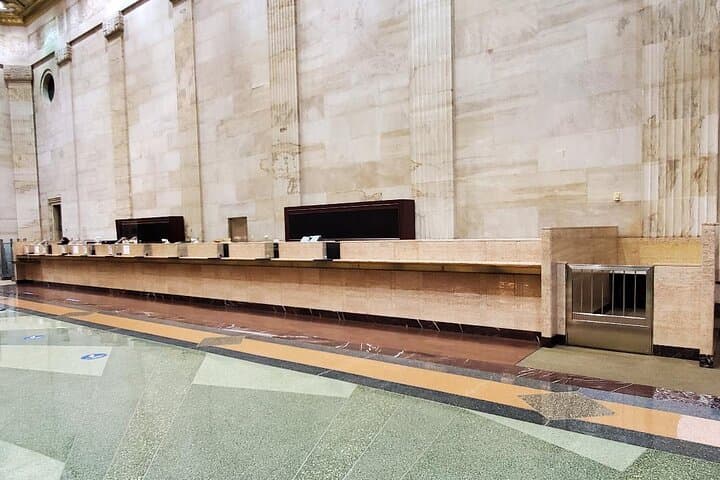
Expect level, paved walking—about 5,000 steps across four tunnels and visits to 7–11 buildings over roughly three hours. Highlights include art‑deco elevators at the Espersons, the Battle of San Jacinto stained glass in the former Gulf Oil building, and the Wells Fargo Plaza basement curiosities; note that some interiors prohibit photography and lunch stops are available at food halls.
Practically, go prepared for sustained walking in climate‑conditioned spaces: cushioned shoes, a full water bottle, and a charged phone. Tours meet at Houston City Hall (weekday rotunda; weekend bench). Accessibility is good, but ask ahead for special assistance. Because many spaces are working offices, follow the guide's rules, pack light, and allow extra time for security or elevators — the tunnels are efficient passages, but their stories reward slow attention. Bring identification and comfortable socks too.
moderate.
3 hours.
Moderate — able to walk continuously for three hours and climb occasional short flights or use elevators.
Yes—most tunnel passages and building access points are wheelchair accessible, but contact the operator in advance to confirm specific elevator access.
Photography is allowed in many public areas, but some private lobbies and basements prohibit photos—follow the guide and posted rules.
Weekdays meet inside the rotunda of Houston City Hall at 901 Bagby St; weekends meet at a park bench on the east side of City Hall.
Strollers are allowed and the route is level, but the tour pace and length (about three hours) may be tiring for young children.
The tunnel network expanded in the twentieth century as a climate‑control and connectivity solution for downtown commerce; City Hall opened in 1939 and anchors many stories told on the route.
Respect working spaces by carrying out trash, staying on marked paths, and following building rules—minimizing disturbance preserves access and reduces wear on historic interiors.
Houston Historical Tours - Day Tours operates guided outdoor trips and adventures with an emphasis on safety, stewardship, and memorable experiences.
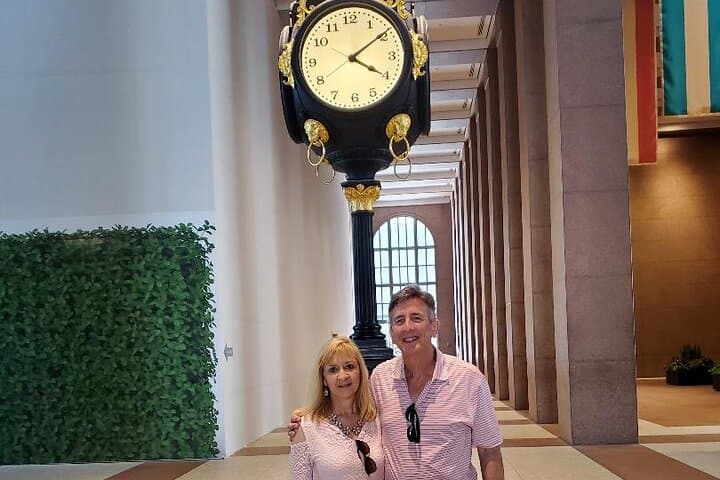
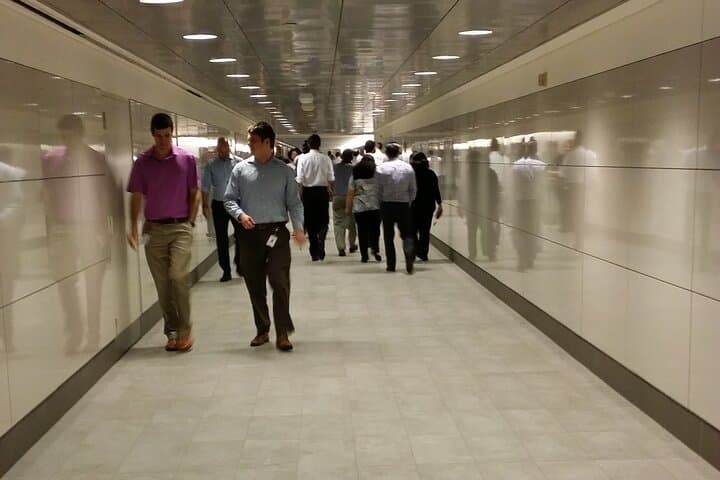
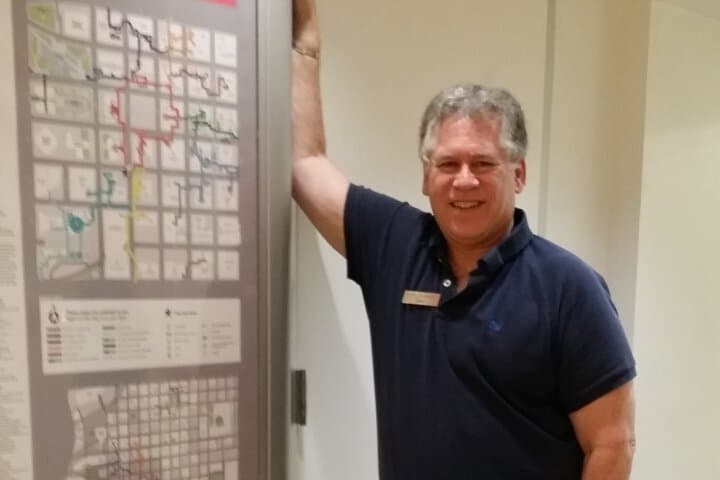
Below the hum of downtown traffic, an elevator opens onto cool, fluorescent corridors where the city's pulse shifts to measured footsteps.
Below the hum of downtown traffic, an elevator opens onto cool, fluorescent corridors where the city's pulse shifts to measured footsteps.
The Houston Tunnels Tours guides you through air-conditioned passageways linking landmark offices and lobbies, moving from the 1939 City Hall rotunda into basements and marble atriums that reveal the city's twentieth-century growth.
The tunnel network grew as a pragmatic response to Houston's heat and to developers' desire to connect commerce. Architecturally, the tour traces styles from Spanish Revival at the Julia B. Ideson Library (1924) to post‑modern glass towers and 1970s corporate cathedrals; the route also exposes flood-control features and the city's layered civic history, including episodes of exclusion and labor shifts that reshaped downtown.
Expect level, paved walking—about 5,000 steps across four tunnels and visits to 7–11 buildings over roughly three hours. Highlights include art‑deco elevators at the Espersons, the Battle of San Jacinto stained glass in the former Gulf Oil building, and the Wells Fargo Plaza basement curiosities; note that some interiors prohibit photography and lunch stops are available at food halls.
Practically, go prepared for sustained walking in climate‑conditioned spaces: cushioned shoes, a full water bottle, and a charged phone. Tours meet at Houston City Hall (weekday rotunda; weekend bench). Accessibility is good, but ask ahead for special assistance. Because many spaces are working offices, follow the guide's rules, pack light, and allow extra time for security or elevators — the tunnels are efficient passages, but their stories reward slow attention. Bring identification and comfortable socks too.