THE ADVENTURE COLLECTIVE® · Independent discovery and booking for outdoor travel

Explore Chattanooga’s hidden below‑street world on a private guided walk that links the Choo Choo, Patten Parkway and Walnut Street Bridge. Hear flood-era engineering, Prohibition stories and see remnants of the 19th‑century city tucked beneath modern Chattanooga.
Explore Chattanooga’s hidden below‑street world on a private guided walk that links the Choo Choo, Patten Parkway and Walnut Street Bridge. Hear flood-era engineering, Prohibition stories and see remnants of the 19th‑century city tucked beneath modern Chattanooga.
The group gathers at the ice cream shop at the end of the Walnut Street walking bridge, the river’s current hissing below as the guide unfurls a map of a city with two faces. For the next four hours you’ll move between sunlit river views and the dim, brick-lined remains of 19th‑century storefronts—places where sidewalks, doorways and stories were literally buried when Chattanooga raised its streets after catastrophic floods.
Verified experiences and guided adventures in the surrounding area.
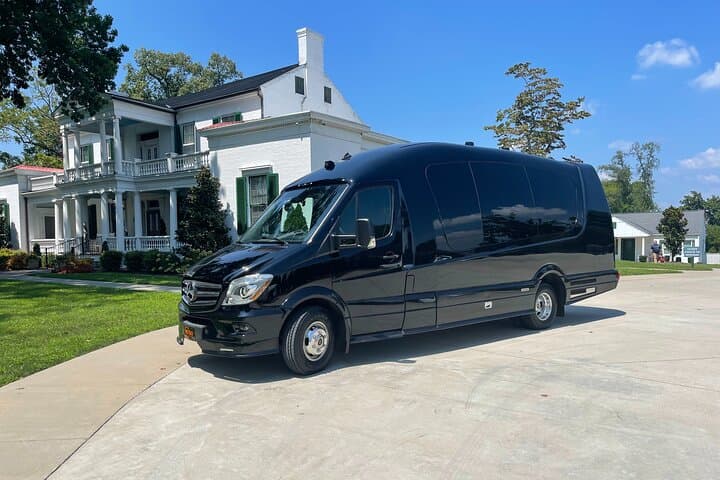
Operated by Metro Livery · Chattanooga, Tennessee
The group gathers at the ice cream shop at the end of the Walnut Street walking bridge, the river’s current hissing below as the guide unfurls a map of a city with two faces. For the next four hours you’ll move between sunlit river views and the dim, brick-lined remains of 19th‑century storefronts—places where sidewalks, doorways and stories were literally buried when Chattanooga raised its streets after catastrophic floods.
This private, interpretive walk traces geology and human response: the Tennessee River’s seasonal surges shaped commerce, prompting engineers in the 1870s to lift urban life above old ground. You’ll stand at the Chattanooga Choo Choo and feel the railroad-era pulse that made this valley a transport hub, pass Patten Parkway where original street levels begin, and peer into capped basements that once housed bakeries, speakeasies and businesses. The Old Stone Church appears half-swallowed by progress, its architecture a direct line to the Civil War era and the city’s rebuilding.
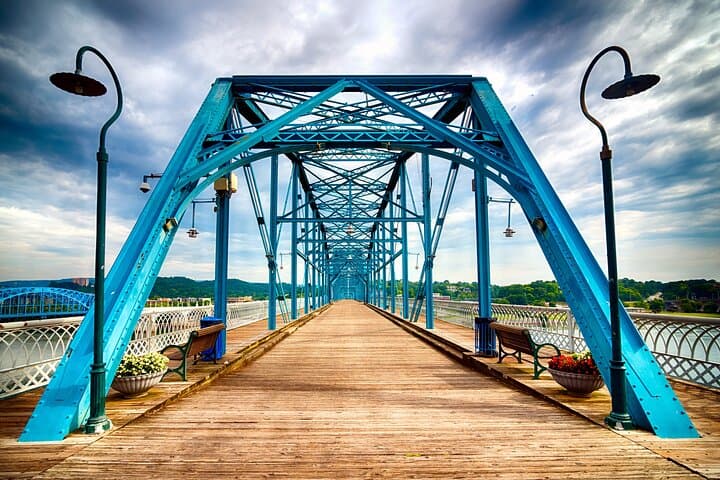
Along the Walnut Street Bridge you get a broad, reflective view of the river that forced the city to adapt; below, the underground hums with human stories and local legends, from Prohibition-era tunnels to ghost tales that linger in masonry.
Practical guidance: bring sturdy shoes and a light jacket—underground spaces stay cool year-round. The route is mostly paved with some stairs and uneven thresholds; the tour is wheelchair-accessible in many sections but check accessibility specifics when booking. Expect moderate walking, chances to ask detailed historical questions, and a mix of indoor and outdoor stops suited to curious travelers who want history with tactile, on-the-ground context.
moderate.
4–5 hours.
Moderate fitness: comfortable walking on pavement, some stairs, and short standing periods.
Meet your guide at the ice cream shop at the end of the Walnut Street walking bridge; the tour returns to the Chattanooga Choo Choo area for questions and wrap-up.
The tour welcomes children and is stroller-accessible in many sections, but some access points include stairs—check with the operator if you need continuous stroller access.
You’ll visit basements, access points and enclosed sections that reveal the original street level—these are safe, guided spaces rather than unrestricted tunnels.
Many areas and transportation amenities are wheelchair-accessible per the provider, but specific access can vary by precise stop—notify the operator when booking to confirm arrangements.
Chattanooga raised significant portions of its downtown in the 1870s after repeated floods, creating an ‘underground’ layer of streets and storefronts that remain visible in basements and tunnels today.
Respect fragile masonry and historical fabric by staying on guided paths; downtown preservation groups work to stabilize and interpret these sites while minimizing wear.
Metro Livery operates guided outdoor trips and adventures with an emphasis on safety, stewardship, and memorable experiences.


The group gathers at the ice cream shop at the end of the Walnut Street walking bridge, the river’s current hissing below as the guide unfurls a map of a city with two faces. For the next four hours you’ll move between sunlit river views and the dim, brick-lined remains of 19th‑century storefronts—places where sidewalks, doorways and stories were literally buried when Chattanooga raised its streets after catastrophic floods.
The group gathers at the ice cream shop at the end of the Walnut Street walking bridge, the river’s current hissing below as the guide unfurls a map of a city with two faces. For the next four hours you’ll move between sunlit river views and the dim, brick-lined remains of 19th‑century storefronts—places where sidewalks, doorways and stories were literally buried when Chattanooga raised its streets after catastrophic floods.
This private, interpretive walk traces geology and human response: the Tennessee River’s seasonal surges shaped commerce, prompting engineers in the 1870s to lift urban life above old ground. You’ll stand at the Chattanooga Choo Choo and feel the railroad-era pulse that made this valley a transport hub, pass Patten Parkway where original street levels begin, and peer into capped basements that once housed bakeries, speakeasies and businesses. The Old Stone Church appears half-swallowed by progress, its architecture a direct line to the Civil War era and the city’s rebuilding.
Along the Walnut Street Bridge you get a broad, reflective view of the river that forced the city to adapt; below, the underground hums with human stories and local legends, from Prohibition-era tunnels to ghost tales that linger in masonry.
Practical guidance: bring sturdy shoes and a light jacket—underground spaces stay cool year-round. The route is mostly paved with some stairs and uneven thresholds; the tour is wheelchair-accessible in many sections but check accessibility specifics when booking. Expect moderate walking, chances to ask detailed historical questions, and a mix of indoor and outdoor stops suited to curious travelers who want history with tactile, on-the-ground context.