THE ADVENTURE COLLECTIVE® · Independent discovery and booking for outdoor travel

Descend into Cagliari’s hidden layers on a two‑hour bilingual walk through a WWII school shelter, the crypt of Saint Restituta, and underground Roman ruins at Saint Eulalia. Expect low ceilings, brick arches, and compact, richly layered history.
Descend into Cagliari’s hidden layers on a two‑hour bilingual walk through a WWII school shelter, the crypt of Saint Restituta, and underground Roman ruins at Saint Eulalia. Expect low ceilings, brick arches, and compact, richly layered history.
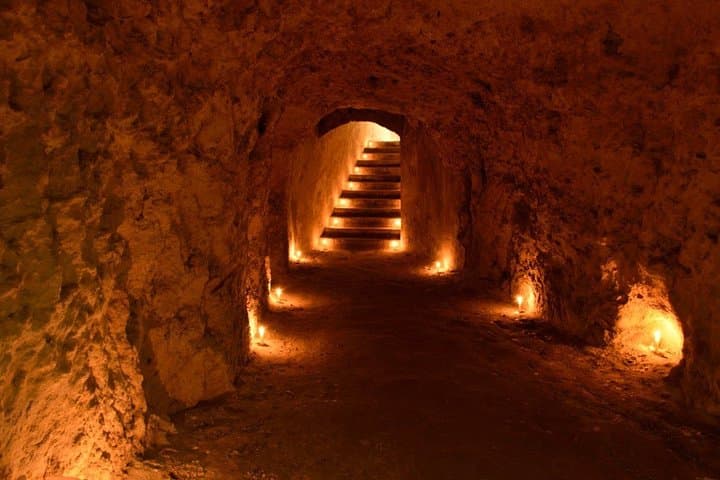
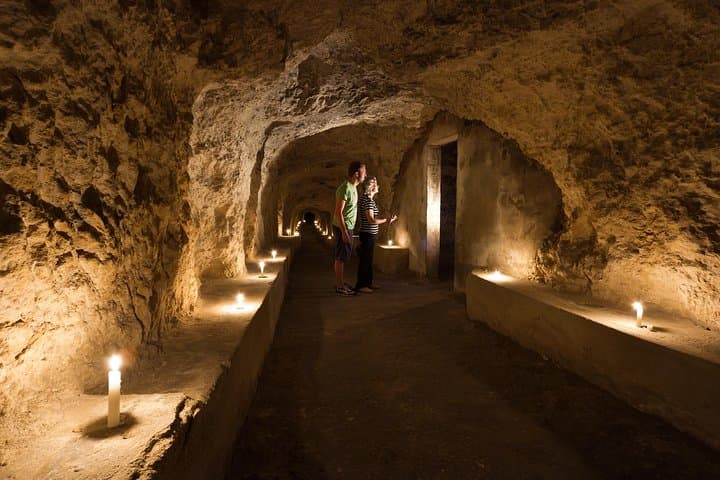
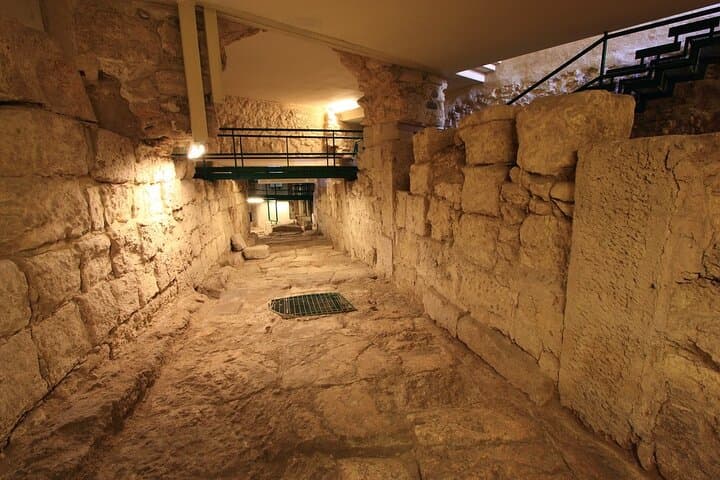
Under a low Sardinian light the streets of Stampace and Marina funnel toward the sea, and below them the city keeps quieter stories. The Underground Cagliari tour moves from a 120‑meter red‑brick wartime shelter beneath a Salesian school into the hush of the crypt of Saint Restituta, then to the multilayered underground ruins at Saint Eulalia where a paved Roman road still hints at old traffic.
Verified experiences and guided adventures in the surrounding area.
Operated by Sardinia Magic Experience · Cagliari, Sardinia
Under a low Sardinian light the streets of Stampace and Marina funnel toward the sea, and below them the city keeps quieter stories. The Underground Cagliari tour moves from a 120‑meter red‑brick wartime shelter beneath a Salesian school into the hush of the crypt of Saint Restituta, then to the multilayered underground ruins at Saint Eulalia where a paved Roman road still hints at old traffic.
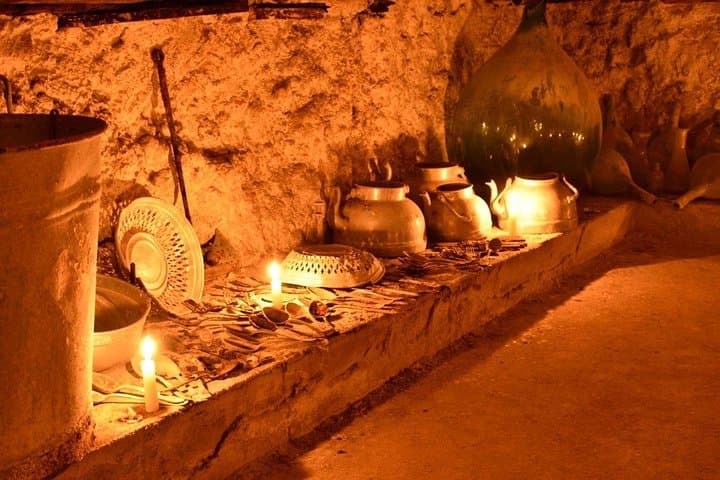
Cagliari’s underground is a sequence of practical choices made across eras: Phoenician traders, Roman planners, medieval worshippers and modern wartime planners all left rooms, vaults and passages. The shelter’s arched bricks and candlelit atmosphere feel like a functional monastery of defense; the crypt has served as chapel, prison and repository; the archeological area exposes masonry from several periods that illustrate how the city reused its stones.
Practically, the tour lasts about two hours with short outdoor walks between sites. Guides speak English and Italian and adapt visits to site opening hours, so the specific underground stops can vary. Expect stairs, low ceilings and uneven flooring—steady footwear and a working phone flashlight make a difference. Photography is generally allowed but lighting is low, so adjust ISO or use a fast lens.
This is an intimate, tactile way to read Cagliari’s history: less about grand vistas than the textures beneath your feet. Mornings are cooler and quieter; afternoons warm the stone and add a softer mood. The route is not recommended for those with severe claustrophobia or significant mobility restrictions.
moderate.
2 hours.
You should be comfortable walking on uneven stone and climbing stairs; a moderate fitness level suffices.
The tour runs about two hours and includes three underground sites with short outdoor walks between them.
The tour notes stroller access for infants in prams in some sections, but it is not recommended for people with significant mobility difficulties due to stairs and uneven floors.
Guides conduct the tour in both English and Italian, usually in a bilingual format so both language groups can follow.
Children are allowed, but the tour is not recommended for people who suffer from claustrophobia because of low ceilings and confined spaces.
Cagliari’s underground layers reflect its role as a Punic and Roman port later reshaped under medieval rulers; in the 20th century many civic tunnels were adapted as WWII air-raid shelters.
Underground ruins are fragile—stay behind barriers, avoid touching frescoes or exposed masonry, and follow guides to reduce wear on ancient fabric.
Sardinia Magic Experience operates guided outdoor trips and adventures with an emphasis on safety, stewardship, and memorable experiences.
Under a low Sardinian light the streets of Stampace and Marina funnel toward the sea, and below them the city keeps quieter stories. The Underground Cagliari tour moves from a 120‑meter red‑brick wartime shelter beneath a Salesian school into the hush of the crypt of Saint Restituta, then to the multilayered underground ruins at Saint Eulalia where a paved Roman road still hints at old traffic.
Under a low Sardinian light the streets of Stampace and Marina funnel toward the sea, and below them the city keeps quieter stories. The Underground Cagliari tour moves from a 120‑meter red‑brick wartime shelter beneath a Salesian school into the hush of the crypt of Saint Restituta, then to the multilayered underground ruins at Saint Eulalia where a paved Roman road still hints at old traffic.
Cagliari’s underground is a sequence of practical choices made across eras: Phoenician traders, Roman planners, medieval worshippers and modern wartime planners all left rooms, vaults and passages. The shelter’s arched bricks and candlelit atmosphere feel like a functional monastery of defense; the crypt has served as chapel, prison and repository; the archeological area exposes masonry from several periods that illustrate how the city reused its stones.
Practically, the tour lasts about two hours with short outdoor walks between sites. Guides speak English and Italian and adapt visits to site opening hours, so the specific underground stops can vary. Expect stairs, low ceilings and uneven flooring—steady footwear and a working phone flashlight make a difference. Photography is generally allowed but lighting is low, so adjust ISO or use a fast lens.
This is an intimate, tactile way to read Cagliari’s history: less about grand vistas than the textures beneath your feet. Mornings are cooler and quieter; afternoons warm the stone and add a softer mood. The route is not recommended for those with severe claustrophobia or significant mobility restrictions.