THE ADVENTURE COLLECTIVE® · Independent discovery and booking for outdoor travel

A 90-minute walk that uncovers the uncomfortable histories woven into Oxford’s colleges, statues and streets. Expect frank discussion of empire, race, gender and class alongside close-up views of iconic buildings.
A 90-minute walk that uncovers the uncomfortable histories woven into Oxford’s colleges, statues and streets. Expect frank discussion of empire, race, gender and class alongside close-up views of iconic buildings.
You step off the high street onto uneven cobbles, the spires of college chapels slicing the sky while a guide invites you to look harder—at plaques, statues and the stone itself. For 90 minutes you walk no more than two miles through streets that have watched centuries of scholarship and controversy, moving from the town-gown divide to the shadow of Balliol College.
Verified experiences and guided adventures in the surrounding area.
Operated by Uncomfortable Oxford · Oxford, Oxfordshire
You step off the high street onto uneven cobbles, the spires of college chapels slicing the sky while a guide invites you to look harder—at plaques, statues and the stone itself. For 90 minutes you walk no more than two miles through streets that have watched centuries of scholarship and controversy, moving from the town-gown divide to the shadow of Balliol College.
The tour foregrounds history often glossed over in conventional guides: empire-era benefactions, contested memorials like the Cecil Rhodes statue, All Souls’ links to plantation money, and the pioneering life of Christian Cole, Oxford’s first Black scholar. Architecture tells part of that story—honeyed oolitic limestone and medieval masonry bear the marks of time and repair, while city walls and gardens register layers of urban change.
This is a civic walking tour as much as a history lesson; listeners discuss race, class and gender at sites where policy, power and philanthropy intersect. Guides trained by Uncomfortable Oxford prompt reflection rather than sermonizing, ending often in the quiet Faculty of History garden or at the Tirah Memorial for a moment of reckoning.
Practical notes: the route uses narrow pavements and cobbles—good footwear matters. Mobile or paper tickets are accepted and groups are capped (about 15). Bring a rain layer for unpredictable weather, arrive 10 minutes early to find the meeting spot, and be prepared for frank conversation. The tour is physically easy but emotionally demanding; it rewards curiosity, patience, and a readiness to question familiar narratives.
easy.
1.5–1.7 hours.
Suitable for most fitness levels; minimal walking distance under two miles but expect standing and short stair or curb sections.
The tour lasts about 90–100 minutes and walks no more than two miles, with frequent stops for discussion.
The operator lists it as accessible, but cobbled streets and narrow pavements may present challenges—contact the provider to discuss specific needs.
Infants in strollers are allowed and service animals are welcome; content covers mature themes and may be better suited to older teens and adults.
The tour runs in light rain—bring a waterproof layer; for a full refund cancel at least 24 hours before the scheduled departure.
Oxford’s public life has long been shaped by a town–gown split and by wealth tied to empire; many colleges’ stones and endowments have direct links to overseas plantations and 19th‑century philanthropy.
Small-group walking minimizes wear in fragile historic courtyards; guides encourage respect for fabric—no climbing or touching delicate stonework—and responsible photography.
Uncomfortable Oxford operates guided outdoor trips and adventures with an emphasis on safety, stewardship, and memorable experiences.
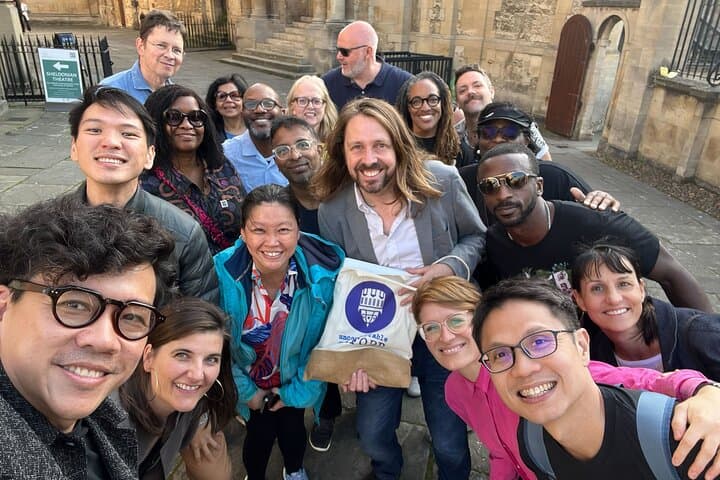


You step off the high street onto uneven cobbles, the spires of college chapels slicing the sky while a guide invites you to look harder—at plaques, statues and the stone itself. For 90 minutes you walk no more than two miles through streets that have watched centuries of scholarship and controversy, moving from the town-gown divide to the shadow of Balliol College.
You step off the high street onto uneven cobbles, the spires of college chapels slicing the sky while a guide invites you to look harder—at plaques, statues and the stone itself. For 90 minutes you walk no more than two miles through streets that have watched centuries of scholarship and controversy, moving from the town-gown divide to the shadow of Balliol College.
The tour foregrounds history often glossed over in conventional guides: empire-era benefactions, contested memorials like the Cecil Rhodes statue, All Souls’ links to plantation money, and the pioneering life of Christian Cole, Oxford’s first Black scholar. Architecture tells part of that story—honeyed oolitic limestone and medieval masonry bear the marks of time and repair, while city walls and gardens register layers of urban change.
This is a civic walking tour as much as a history lesson; listeners discuss race, class and gender at sites where policy, power and philanthropy intersect. Guides trained by Uncomfortable Oxford prompt reflection rather than sermonizing, ending often in the quiet Faculty of History garden or at the Tirah Memorial for a moment of reckoning.
Practical notes: the route uses narrow pavements and cobbles—good footwear matters. Mobile or paper tickets are accepted and groups are capped (about 15). Bring a rain layer for unpredictable weather, arrive 10 minutes early to find the meeting spot, and be prepared for frank conversation. The tour is physically easy but emotionally demanding; it rewards curiosity, patience, and a readiness to question familiar narratives.