THE ADVENTURE COLLECTIVE® · Independent discovery and booking for outdoor travel

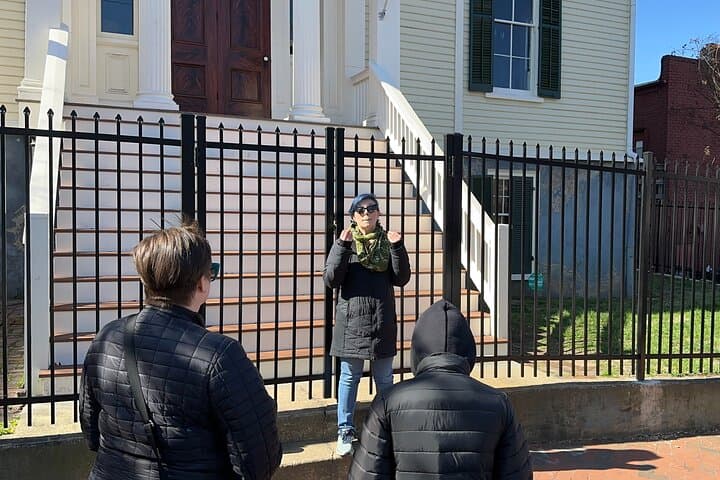
Walk Shockoe Bottom with a guide who maps Civil War hospitals, prisons, and everyday life in Richmond’s wartime capital. This 90-minute tour blends archival stories with present-day streetscapes and practical tips for a meaningful visit.
Walk Shockoe Bottom with a guide who maps Civil War hospitals, prisons, and everyday life in Richmond’s wartime capital. This 90-minute tour blends archival stories with present-day streetscapes and practical tips for a meaningful visit.
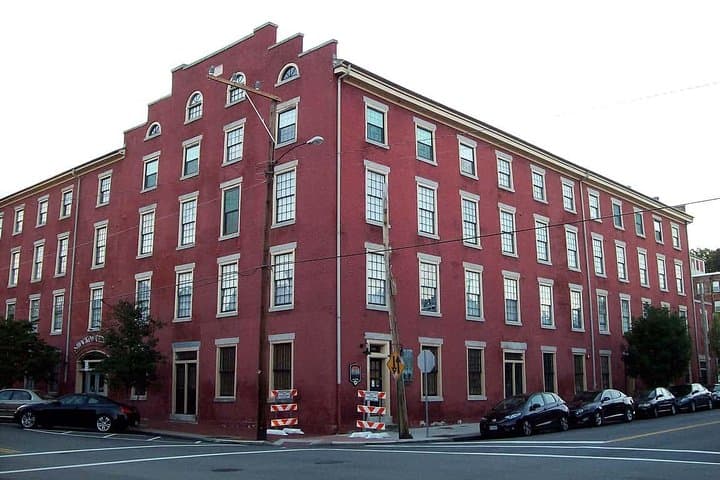
The walk begins at the corner of 20th and East Cary, where the urban grid thins and brick buildings lean toward the street like witnesses. You step off the curb into Shockoe Bottom, a neighborhood where the James River’s current once funneled wounded men and prisoners into a city stretched by war.
Verified experiences and guided adventures in the surrounding area.
Operated by RVA Hidden History Storytellers · Richmond, Virginia
The walk begins at the corner of 20th and East Cary, where the urban grid thins and brick buildings lean toward the street like witnesses. You step off the curb into Shockoe Bottom, a neighborhood where the James River’s current once funneled wounded men and prisoners into a city stretched by war.
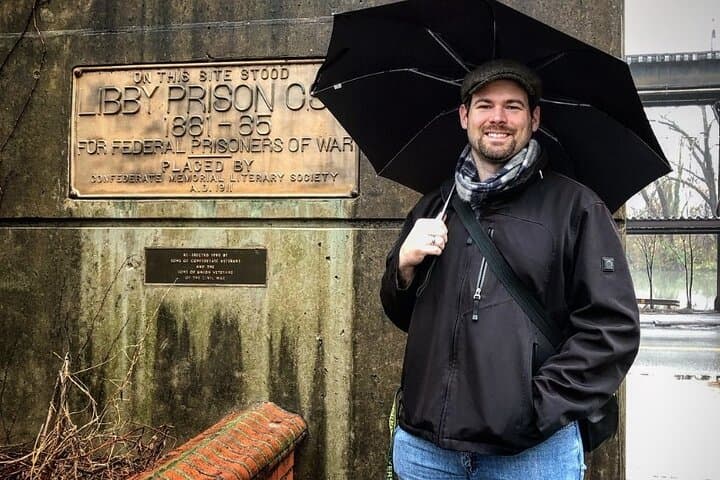
This 90-minute walking tour traces Richmond’s Civil War-era medical and prison architecture, pausing at sites where hospitals treated the injured and yards once held captives. Shockoe Bottom’s streets reveal layers: antebellum warehouses repurposed as apartments, the occasional marker pointing to a lost structure, and the Farmer’s Market — a present-day reminder of a location that supported both commerce and crisis. The geology here is simple: low river plain, compacted clay under cobbles and pavement, which historically made movement slower and sanitary challenges worse in camp hospitals.
Culturally, the neighborhood reflects the tensions of a Confederate capital: memorials and contested sites, community efforts to preserve memory, and ongoing dialogue about what to remember and how. Local guides weave firsthand soldier accounts, hospital logs, and the afterlife of demolished buildings into a clear narrative.
Practical guidance: expect paved sidewalks and some curb crossings; wear comfortable shoes and bring water. The route is wheelchair accessible but still requires a moderate level of mobility for the full 90 minutes. Morning or late afternoon tours avoid heat and downtown traffic. Bring a charged phone for photos and map reference; plan 1.5 hours and allow time afterward to visit the Canal Walk or nearby museums.
moderate.
1–1.5 hours.
Moderate; participants should be able to walk on sidewalks for the full duration and manage short curb crossings.
The tour lasts approximately 90 minutes and returns to the starting point at 20th & East Cary Streets.
Yes — the route is on paved sidewalks and is listed as wheelchair and stroller accessible, though some urban curb cuts may be encountered.
Wear comfortable, closed-toe walking shoes and weather-appropriate layers; in summer bring sun protection and in colder months dress in warm layers.
The meeting point is the corner of 20th & East Cary Streets, across from the Virginia Holocaust Museum; arrive 10 minutes early for check-in.
Richmond served as the Confederate capital; Shockoe Bottom became a logistics hub where hospitals and prisons clustered to handle an influx of wounded soldiers and prisoners during the Civil War.
Preservation groups are active in Shockoe Bottom, balancing redevelopment with protecting historic sites; visitors help by following site rules and avoiding damage to markers and structures.
RVA Hidden History Storytellers operates guided outdoor trips and adventures with an emphasis on safety, stewardship, and memorable experiences.

The walk begins at the corner of 20th and East Cary, where the urban grid thins and brick buildings lean toward the street like witnesses. You step off the curb into Shockoe Bottom, a neighborhood where the James River’s current once funneled wounded men and prisoners into a city stretched by war.
The walk begins at the corner of 20th and East Cary, where the urban grid thins and brick buildings lean toward the street like witnesses. You step off the curb into Shockoe Bottom, a neighborhood where the James River’s current once funneled wounded men and prisoners into a city stretched by war.
This 90-minute walking tour traces Richmond’s Civil War-era medical and prison architecture, pausing at sites where hospitals treated the injured and yards once held captives. Shockoe Bottom’s streets reveal layers: antebellum warehouses repurposed as apartments, the occasional marker pointing to a lost structure, and the Farmer’s Market — a present-day reminder of a location that supported both commerce and crisis. The geology here is simple: low river plain, compacted clay under cobbles and pavement, which historically made movement slower and sanitary challenges worse in camp hospitals.
Culturally, the neighborhood reflects the tensions of a Confederate capital: memorials and contested sites, community efforts to preserve memory, and ongoing dialogue about what to remember and how. Local guides weave firsthand soldier accounts, hospital logs, and the afterlife of demolished buildings into a clear narrative.
Practical guidance: expect paved sidewalks and some curb crossings; wear comfortable shoes and bring water. The route is wheelchair accessible but still requires a moderate level of mobility for the full 90 minutes. Morning or late afternoon tours avoid heat and downtown traffic. Bring a charged phone for photos and map reference; plan 1.5 hours and allow time afterward to visit the Canal Walk or nearby museums.