THE ADVENTURE COLLECTIVE® · Independent discovery and booking for outdoor travel

Explore Ipoh’s lesser-known waterfalls, caves and a riverside camp on this curated 4-day trip from Kuala Lumpur. Expect guided hikes, cave swims, white-water rafting and cultural stops in historic tin-mining towns.
Explore Ipoh’s lesser-known waterfalls, caves and a riverside camp on this curated 4-day trip from Kuala Lumpur. Expect guided hikes, cave swims, white-water rafting and cultural stops in historic tin-mining towns.
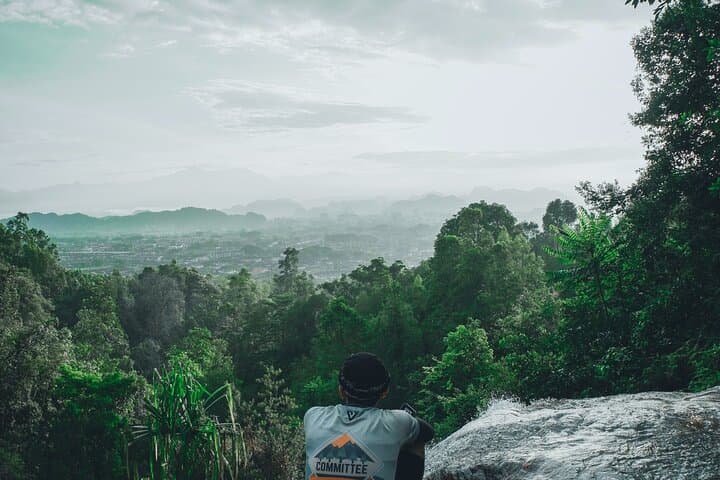
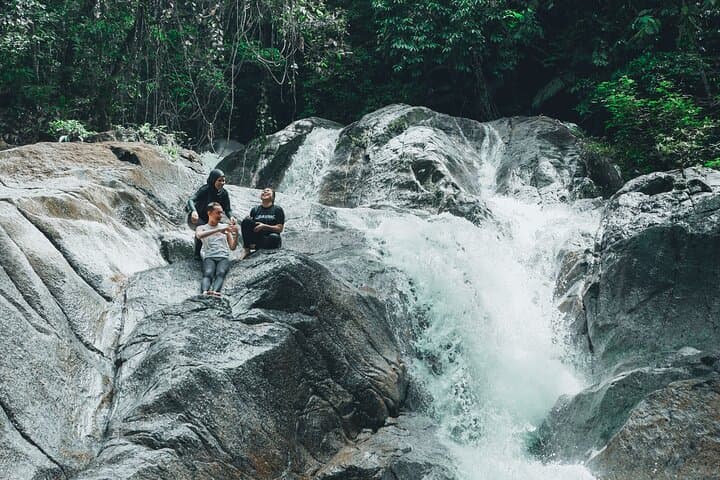
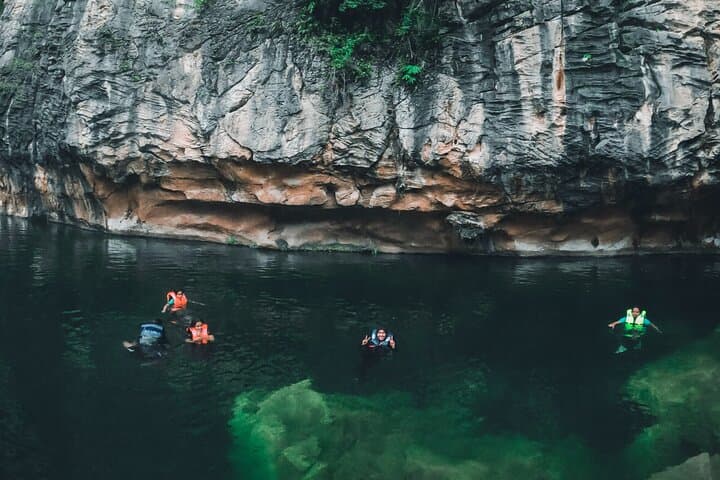
Dawn finds the van threading between rubber plantations and the first karst towers as you leave Kuala Lumpur for Ipoh. By mid-morning the air is cool and sharp around a forested gorge; waterfalls drum on the limestone, and pools glint like stacked mirrors. Over four days you move from hidden cascades and cave swims to a riverside campsite in Gopeng, a white-water run, and a sunrise hike above Ipoh’s limestone hills.
Verified experiences and guided adventures in the surrounding area.
Operated by Pletoura · Ipoh, Perak
Dawn finds the van threading between rubber plantations and the first karst towers as you leave Kuala Lumpur for Ipoh. By mid-morning the air is cool and sharp around a forested gorge; waterfalls drum on the limestone, and pools glint like stacked mirrors. Over four days you move from hidden cascades and cave swims to a riverside campsite in Gopeng, a white-water run, and a sunrise hike above Ipoh’s limestone hills.
This corner of Perak carries tin-mining scars and colonial echoes—the old railway bridges and miner towns still shape local roads and eateries. Geologically, the area is classic tropical karst: limestone cliffs, caves carved by acidic streams, and clear plunge pools that invite a swim. Culturally, Ipoh’s kopitiams and Concubine Lane offer charcoal-roast coffee and street snacks that anchor each day’s exertions.
Expect uneven jungle trails, short steep sections (100–300m elevation gain in places), river crossings, and optional cliff jumps where guides judge conditions. Rafting is guided on class II–III water most seasons. Campsites are riverside with simple facilities; hotels in Ipoh provide a comfortable contrast.
Practical edge: start hikes early to avoid midday heat, carry 2–3 liters of water, and pack a dry bag for electronics. Footwear should be grippy for wet limestone; a light headlamp is useful for cave swims. The program can be customized for camping or hotel stays, but physical fitness at a moderate level is recommended. Respect fragile karst ecology—stick to trails, take all waste out, and follow your guide’s safety calls on cliffs and currents.
moderate.
4 days.
Suitable for travelers with moderate fitness: regular walkers who are comfortable on uneven, sometimes steep terrain and can swim.
Moderate fitness is required—expect several hours of hiking per day on uneven trails, short steep sections, and river crossings; swimming ability is needed for cave swims and rafting.
No—accommodation is customizable; one night is riverside camping in Gopeng but you can opt for hotel stays along the itinerary when booking.
The rafting sections are generally class II–III guided runs suitable for adventurous beginners under guide supervision; conditions can vary with seasonal rains.
Not recommended for children under 7; the operator requests moderate fitness and advises against participation for pregnant travelers and those with serious back problems.
The Ipoh region grew rapidly during 19th–20th century tin mining; colonial infrastructure like rail bridges and old shophouses still mark the landscape and local cuisine.
Karst ecosystems and cave habitats are fragile—stay on trails, pack out all waste, avoid disturbing bat colonies, and follow guide instructions to minimize impact.
Pletoura operates guided outdoor trips and adventures with an emphasis on safety, stewardship, and memorable experiences.

Dawn finds the van threading between rubber plantations and the first karst towers as you leave Kuala Lumpur for Ipoh. By mid-morning the air is cool and sharp around a forested gorge; waterfalls drum on the limestone, and pools glint like stacked mirrors. Over four days you move from hidden cascades and cave swims to a riverside campsite in Gopeng, a white-water run, and a sunrise hike above Ipoh’s limestone hills.
Dawn finds the van threading between rubber plantations and the first karst towers as you leave Kuala Lumpur for Ipoh. By mid-morning the air is cool and sharp around a forested gorge; waterfalls drum on the limestone, and pools glint like stacked mirrors. Over four days you move from hidden cascades and cave swims to a riverside campsite in Gopeng, a white-water run, and a sunrise hike above Ipoh’s limestone hills.
This corner of Perak carries tin-mining scars and colonial echoes—the old railway bridges and miner towns still shape local roads and eateries. Geologically, the area is classic tropical karst: limestone cliffs, caves carved by acidic streams, and clear plunge pools that invite a swim. Culturally, Ipoh’s kopitiams and Concubine Lane offer charcoal-roast coffee and street snacks that anchor each day’s exertions.
Expect uneven jungle trails, short steep sections (100–300m elevation gain in places), river crossings, and optional cliff jumps where guides judge conditions. Rafting is guided on class II–III water most seasons. Campsites are riverside with simple facilities; hotels in Ipoh provide a comfortable contrast.
Practical edge: start hikes early to avoid midday heat, carry 2–3 liters of water, and pack a dry bag for electronics. Footwear should be grippy for wet limestone; a light headlamp is useful for cave swims. The program can be customized for camping or hotel stays, but physical fitness at a moderate level is recommended. Respect fragile karst ecology—stick to trails, take all waste out, and follow your guide’s safety calls on cliffs and currents.