THE ADVENTURE COLLECTIVE® · Independent discovery and booking for outdoor travel

Seven days threading Sri Lanka’s cultural triangle and wild valleys: climb Sigiriya, explore Dambulla’s cave-temples, raft the Kelani River and linger in Kandy’s gardens. This private circuit balances ancient history, jungle trails and hands-on local encounters.
Seven days threading Sri Lanka’s cultural triangle and wild valleys: climb Sigiriya, explore Dambulla’s cave-temples, raft the Kelani River and linger in Kandy’s gardens. This private circuit balances ancient history, jungle trails and hands-on local encounters.
You step out of the airport and the air itself seems to have a color—warm, humid, smelling faintly of coconut and diesel. The chauffeur-guide slides your bag into the trunk and talks of rock fortresses and jungle rivers as the city gives way to coconut palms and patchwork paddy fields. By late afternoon you’re on a narrow road that climbs toward a weathered, rust-colored outcrop: Sigiriya’s Lion Rock pressure-washes the horizon and dare you to climb.
Verified experiences and guided adventures in the surrounding area.
Operated by Lakpura LLC · Sigiriya, Central Province
You step out of the airport and the air itself seems to have a color—warm, humid, smelling faintly of coconut and diesel. The chauffeur-guide slides your bag into the trunk and talks of rock fortresses and jungle rivers as the city gives way to coconut palms and patchwork paddy fields. By late afternoon you’re on a narrow road that climbs toward a weathered, rust-colored outcrop: Sigiriya’s Lion Rock pressure-washes the horizon and dare you to climb.
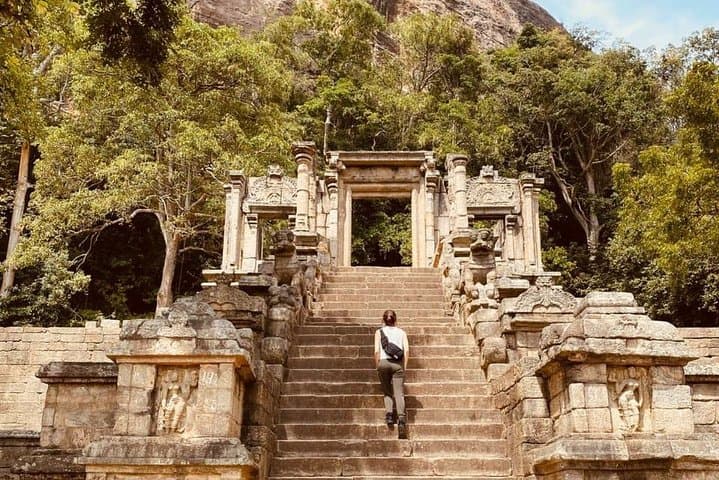
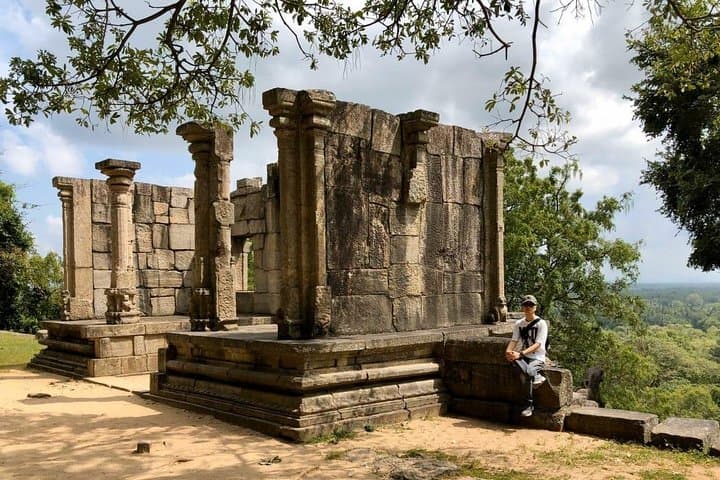
This seven-day private circuit moves like a thread through Sri Lanka’s layered past. From Negombo’s colonial canals to Yapahuwa’s stone stairways, the itinerary stitches together ancient capitals, cave-temples, hill-country gardens and a stretch of river that insists on being paddled. Geologically, Sigiriya is an island of Precambrian rock thrust from older plains, its terraced gardens and cisterns still tracing 5th-century engineering. Dambulla’s caves record centuries of devotion in murals and Buddha icons; Kandy keeps the tooth relic that shaped royal politics and pilgrimage routes for a millennium.
Culture here is tactile—woodcarvers shaping temple pillars in Kandy, spice vendors who can name the year a clove crop was planted, and tribal hunters around Mahiyanganaya who explain tracking techniques handed down through generations. In the hill country, mist hangs low in the tea estates and the land seems to fold itself to protect the next roadside lookout. Rivers, especially the Kelani, push and cajole rafters into the current during the whitewater stretch at Kitulgala.
On the practical side: expect a mix of walking and short drives—many days include steep stone steps and uneven temple grounds. The tour is private, so pace is flexible, but bring sturdy shoes for climbing and a light rain shell; tropical downpours can arrive without fanfare. Local guides carry water and regional stories; bring reusable bottles to reduce plastic waste. Cash is handy for temple donations, snacks and small souvenirs; ATMs are common in major towns but scarce in the countryside.
Timing matters. The island’s monsoons shift weather windows—plan Sigiriya and the cultural triangle during the drier months to avoid slippery stairs. Eat locally: rice-and-curry lunches are bright with spice and grounding after dusty ruins. Motion-sickness medicine can help on winding mountain roads; insect repellent is essential in forested stretches.
At the end of seven days you’ve walked through living history, been pushed by a river and cooled by hill-country air. The route rewards curiosity as much as endurance—bring questions, good boots and a readiness to be redirected by rainfall, temple ceremonies or a chance invitation to tea at a roadside house.
moderate.
7 days.
Moderate fitness: comfortable walking, short hikes, and climbing stairs; some days include extended vehicle travel.
Yes—this listing describes a private 7-day tour with an English-speaking chauffeur-guide and private vehicle.
A moderate fitness level is recommended—expect climbs (Sigiriya), uneven temple grounds and short hikes; no technical climbing skills required.
Some site admissions are included as listed; confirm specific monuments in your booking confirmation or with the supplier before travel.
Yes—pickup from Colombo Airport, hotels and select ports is arranged; the operator requests arrival details to schedule transfers.
Visit the Cultural Triangle (Sigiriya/Dambulla) during the island’s drier months (roughly December–April) to avoid slippery steps; regional monsoons affect different coasts.
Meals are not comprehensively listed; the tour includes bottled water and transport—expect local lunches and hotel breakfasts depending on your package.
The Cultural Triangle preserves multiple capitals from Sri Lanka’s long history; Sigiriya’s 5th-century palace-forest complex and Dambulla’s 1st-century cave-temples reflect shifting political and religious centers.
Tour operators emphasize low-impact practices—use refillable water and follow signage at protected sites; stick to marked trails to protect archaeological and ecological zones.
Lakpura LLC operates guided outdoor trips and adventures with an emphasis on safety, stewardship, and memorable experiences.
You step out of the airport and the air itself seems to have a color—warm, humid, smelling faintly of coconut and diesel. The chauffeur-guide slides your bag into the trunk and talks of rock fortresses and jungle rivers as the city gives way to coconut palms and patchwork paddy fields. By late afternoon you’re on a narrow road that climbs toward a weathered, rust-colored outcrop: Sigiriya’s Lion Rock pressure-washes the horizon and dare you to climb.
You step out of the airport and the air itself seems to have a color—warm, humid, smelling faintly of coconut and diesel. The chauffeur-guide slides your bag into the trunk and talks of rock fortresses and jungle rivers as the city gives way to coconut palms and patchwork paddy fields. By late afternoon you’re on a narrow road that climbs toward a weathered, rust-colored outcrop: Sigiriya’s Lion Rock pressure-washes the horizon and dare you to climb.
This seven-day private circuit moves like a thread through Sri Lanka’s layered past. From Negombo’s colonial canals to Yapahuwa’s stone stairways, the itinerary stitches together ancient capitals, cave-temples, hill-country gardens and a stretch of river that insists on being paddled. Geologically, Sigiriya is an island of Precambrian rock thrust from older plains, its terraced gardens and cisterns still tracing 5th-century engineering. Dambulla’s caves record centuries of devotion in murals and Buddha icons; Kandy keeps the tooth relic that shaped royal politics and pilgrimage routes for a millennium.
Culture here is tactile—woodcarvers shaping temple pillars in Kandy, spice vendors who can name the year a clove crop was planted, and tribal hunters around Mahiyanganaya who explain tracking techniques handed down through generations. In the hill country, mist hangs low in the tea estates and the land seems to fold itself to protect the next roadside lookout. Rivers, especially the Kelani, push and cajole rafters into the current during the whitewater stretch at Kitulgala.
On the practical side: expect a mix of walking and short drives—many days include steep stone steps and uneven temple grounds. The tour is private, so pace is flexible, but bring sturdy shoes for climbing and a light rain shell; tropical downpours can arrive without fanfare. Local guides carry water and regional stories; bring reusable bottles to reduce plastic waste. Cash is handy for temple donations, snacks and small souvenirs; ATMs are common in major towns but scarce in the countryside.
Timing matters. The island’s monsoons shift weather windows—plan Sigiriya and the cultural triangle during the drier months to avoid slippery stairs. Eat locally: rice-and-curry lunches are bright with spice and grounding after dusty ruins. Motion-sickness medicine can help on winding mountain roads; insect repellent is essential in forested stretches.
At the end of seven days you’ve walked through living history, been pushed by a river and cooled by hill-country air. The route rewards curiosity as much as endurance—bring questions, good boots and a readiness to be redirected by rainfall, temple ceremonies or a chance invitation to tea at a roadside house.